bitter lettuce Care (Lactuca virosa)

Also known as: great lettuce, acrid lettuce
bitter lettuce

About bitter lettuce

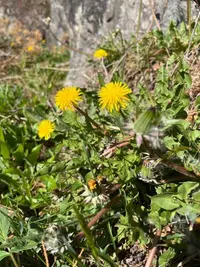
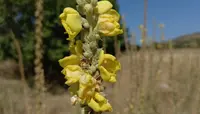
Bitter lettuce, Lactuca virosa, is a hardy biennial herb known for its tall, upright stems and strongly bitter, milky sap. It produces lobed green leaves and small yellow flowers, giving it a weedy, wild-lettuce look rather than a salad type appearance.

This species is native to parts of Europe, North Africa, and western Asia, where it often grows along roadsides, field edges, and disturbed ground. It can self-seed easily, which makes it persistent once established.

Bitter lettuce prefers open, sunny spots, moderately moist but well-drained soil, and does not demand rich nutrition. These traits generally make it straightforward to grow, though its weedy habit and bitterness mean most gardeners care for bitter lettuce more as a specialty or wild plant than a food crop.

Main Plant Requirements

Care Difficulty

Moderate Care

Light Preference

Full Sun

Water Requirements

Moderate Water

Temperature Preference

Cool Climate

Hardiness Zone

5–9

Soil Texture

Loamy, Sandy, Organic-rich

Soil pH

Slightly acidic (6.5–7.0), Neutral (7.0)

Soil Drainage

Moist but well-drained

Fertilization

Minimal (feed rarely)

Get Personalized Care Plan

Scan your plant to receive care tips personalized for your specific plant

Available on iOS and Android

How to Care for the bitter lettuce

Lactuca virosa prefers bright outdoor conditions with moderate direct sun and some protection from harsh midday rays.

  • Provide 4–6 hours of direct sun daily, ideally morning or late afternoon, with light shade during intense midday summer sun to reduce leaf scorch.
  • Plant in a spot that receives partial shade in hotter regions; bitter lettuce tolerates bright dappled light, especially under open shrubs or sparse tree canopies.
  • In spring and fall, full sun in cool climates promotes sturdy growth, but in very hot summers shift exposure to more filtered light to prevent wilting and stress.

This species needs consistently moist but not saturated soil, with careful attention to drainage and seasonal changes.

  • Water when the top 2–3 cm of soil feels dry, aiming for even moisture around the root zone rather than deep soaking that leaves the soil soggy.
  • Use freely draining, loose soil so excess water can exit; persistent wetness, yellowing leaves, and soft stems indicate overwatering and possible root issues.
  • In cooler seasons reduce frequency as evaporation slows, while in hot, windy weather increase checks for dry soil, watching for drooping or limp leaves as a sign to water.

This cool-season plant performs best in mild conditions and declines in prolonged heat or hard frost.

  • Aim for 50–70°F (10–21°C) for active growth, as sustained warmth within this range supports steady leaf and stem development without stress bolting.
  • Short exposures down to about 28°F (-2°C) may be survived, but repeated frosts damage foliage; provide protection or harvest before hard freezes in cold regions.
  • In hot spells above 80–85°F (27–29°C), growth slows and plants may bolt; use shade cloth, mulch the soil, and water appropriately to moderate root-zone temperature.

Humidity is not a critical factor for Lactuca virosa, which adapts well to typical outdoor air levels.

Lactuca virosa prefers loose, well-drained, moderately fertile soil to support fast root growth and reduce rot risk.

  • Use a loamy mix with 30–40% compost to supply nutrients and maintain even moisture without becoming sticky.
  • Ensure drainage by incorporating 20–30% coarse sand or perlite so water moves through the profile within a few minutes after watering.
  • Aim for slightly acidic to neutral pH around 6.0–7.0, avoiding highly acidic or chalky ground that can limit nutrient uptake.
  • Break up compacted ground and remove large stones to improve aeration and allow fine feeder roots to spread evenly.

This species is suitable for container growing under outdoor conditions.

  • Choose a container at least 25–30 cm deep so the taproot can develop without curling tightly at the base.
  • Use a heavier material like ceramic or thick plastic to keep tall, leafy growth stable in wind.
  • Elevate the pot slightly on feet or bricks so drainage holes stay clear and runoff does not reabsorb into the root zone.

Lactuca virosa is a short-lived wild species that needs only modest nutrition when grown in garden soil or containers.

  • Use a light top-dressing of mature compost or a balanced, diluted liquid fertilizer (around 10-10-10) during active spring–summer growth.
  • Feed every 3–4 weeks in poor or soilless mixes, using fertilizer at 1/2–1/4 label strength to avoid soft, weak growth.
  • Stop feeding in late summer as plants approach flowering and natural decline; no fertilizer is needed in winter.

Lactuca virosa benefits from light, functional pruning rather than shaping cuts.

  • In late spring and summer, remove yellowing or damaged basal leaves with clean scissors or pruners to limit disease and pests.
  • Cut spent flower stalks at the base if self-seeding is not desired, which redirects some energy to remaining foliage.
  • Thin crowded seedlings or young plants by snipping extras at soil level, improving airflow and reducing competition.

This biennial is more often transplanted outdoors than kept long term in containers.

  • Transplant young plants in early spring when they have 2–4 true leaves and before taproots become long and sensitive.
  • Choose a well-drained site and move plants only once; frequent disturbance stresses the strong taproot of Lactuca virosa.
  • Water well before and after transplanting, keep roots shaded during the move, and firm soil gently around the root zone.
  • Container-grown plants are usually kept for a single season, so repotting is rarely needed unless roots circle and growth stalls.

Lactuca virosa is most commonly raised from seed rather than vegetative methods.

  • Sow fresh seed in late winter to early spring, indoors under lights or outdoors in trays, as germination drops with age.
  • Use a fine, well-drained seed mix, press seed lightly on the surface, and barely cover because light aids germination.
  • Maintain 60–70°F, moderate moisture, and good air movement; seedlings typically emerge in 1–3 weeks.
  • Prick out seedlings once they have several true leaves, handling by the leaves to avoid damaging the delicate taproot.

This species is generally cold hardy in temperate climates and needs minimal winter intervention.

  • In colder regions, a light 2–5 cm mulch around the crown can buffer freeze–thaw cycles without burying the growing point.
  • Container plants are more vulnerable; move pots to a sheltered, unheated area that stays above severe freezing.
  • Remove mushy or rotted foliage during mild spells to reduce fungal problems while leaving any firm basal growth intact.

Care Tips

Early rosette thinning

Once seedlings have 3–4 true leaves, thin crowded rosettes to 15–20 cm spacing to reduce fungal issues and encourage stronger, more resin-rich plants.


Timed stem harvest

For medicinal use, cut stems and branches in the late afternoon on a dry day, when sap pressure is high, to maximize latex yield and reduce post-harvest wilting.

Latex collection method

Score the stem shallowly with a clean blade, allow latex to bead and dry slightly on the plant, then scrape it off into a clean container to avoid contamination with plant tissue.

Managed self-seeding

Before seed heads fluff out, bag a few flower stalks with fine mesh or organza and cut them once seed heads mature, so you capture viable seed while preventing aggressive self-sowing.

Targeted staking support

Install individual stakes or a low mesh fence around tall flowering stems early in the season to prevent wind damage and lodging in mature plants when growing bitter lettuce outdoors.

Common Pests and Diseases

Aphids

This pest feeds on young shoots and underside of leaves, sucking sap and causing curling, distortion, and sticky honeydew that can attract sooty mold. Symptoms include stunted growth and clusters of small soft-bodied insects, often green or black.

Solution

Rinse colonies off with a firm stream of water, then inspect and repeat every few days until numbers drop. For persistent infestations, use insecticidal soap or a ready-to-use neem oil spray, applied in the early morning or evening, and remove heavily infested shoot tips to reduce pressure.

Downy mildew

This disease causes yellow to pale-green angular spots on the upper leaf surface with grayish to white fuzzy growth on the underside, especially in cool, humid conditions. Symptoms include premature leaf collapse and reduced vigor in dense stands.

Solution

Improve airflow by thinning plants and avoid wetting foliage when watering, especially late in the day. Remove and dispose of infected leaves promptly, keep surrounding weeds down to reduce humidity, and if the problem is recurrent, rotate the planting site and avoid growing bitter lettuce in the same soil in consecutive seasons.

Leaf spot (Septoria)

This disease produces numerous small, round to irregular tan or light-brown spots with darker margins on older leaves, which can merge and cause tissue death. Symptoms include premature yellowing and loss of lower foliage in damp, crowded plantings.

Solution

Remove and dispose of affected leaves as soon as spotting is noticed, and avoid overhead irrigation that keeps leaves wet for long periods. Use clean tools, keep the area weeded, and rotate with non-lettuce crops for at least 2–3 years if leaf spot becomes severe or recurrent.

Slugs and snails

These pests chew irregular holes in leaves, often starting at the edges, and leave shiny slime trails on and around plants, especially in cool, damp conditions. Symptoms include shredded foliage close to the soil surface and feeding damage overnight.

Solution

Hand-pick slugs and snails at dusk or early morning and reduce hiding places by removing debris and dense groundcover near plants. Use iron phosphate slug pellets labeled for edible crops, or set simple beer or yeast traps at soil level, and maintain a dry mulch barrier where possible around plant clumps.

Powdery mildew

This disease appears as white to gray powdery patches on upper leaf surfaces, leading to yellowing, distortion, and reduced vigor, particularly in warm, dry conditions with poor air movement. Symptoms include a dusty coating that can spread over most of the leaf blade if not managed.

Solution

Increase spacing and airflow around plants, remove heavily infected leaves, and avoid excess nitrogen fertilization that encourages soft, susceptible growth. For early stages, use a labeled potassium bicarbonate or sulfur-based spray applied according to instructions, and water at the soil level rather than over the foliage to support overall Lactuca virosa plant care.

Interesting Facts

Wild lettuce latex

Lactuca virosa produces a bitter white latex called lactucarium in its stems and leaves, especially when cut or wounded. This latex contains sesquiterpene lactones such as lactucin and lactucopicrin, which are responsible for its strong bitterness and characteristic odor.

Nocturnal flower opening

The small yellow flower heads of this species often open in the late afternoon or evening and close by the next morning. This timing influences which insect pollinators visit and helps reduce water loss during the hottest daylight hours.

European disturbance specialist

Lactuca virosa is native to parts of Europe and western Asia, where it typically colonizes disturbed sites such as roadsides, railway banks, and waste ground. It often appears as a short-lived pioneer species that takes advantage of bare or recently disturbed soil.

Botan icon

Did you know?

In the 19th century, dried latex from Lactuca virosa, known as lactucarium, was used in parts of Europe as a legal trade commodity and was listed in several pharmacopoeias as a mild sedative substitute when access to opium preparations was restricted.

FAQs about bitter lettuce

All parts contain a milky latex with bitter compounds that can cause nausea, vomiting, and dizziness if eaten in quantity. Pets and children are more sensitive. Treat it as a toxic ornamental and prevent chewing or grazing.

Grow Healthy Plants with Botan Care

Keep your plants happy and healthy with plant identification, disease detection, and easy care guidance.

Botan plant care app — identify plants on mobile

Explore More Plants