



Pollinator Garden Plants
Some plants create a wildlife-friendly landscape. Discover varieties that attract beneficial insects and birds and add beauty to your outdoor space.
Find Plants by Letter
 POPULAR
Money Tree
Pachira aquatica
 POPULAR
Wax Plant
Hoya carnosa
 POPULAR
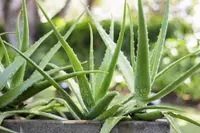
Aloe
Aloe vera
 POPULAR
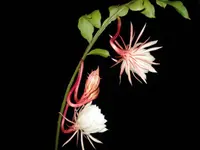
Queen of The Night
Epiphyllum oxypetalum
 POPULAR
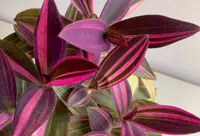
Purple Heart
Tradescantia pallida
 POPULAR
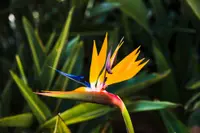
Giant White Bird of Paradise
Strelitzia nicolai
 POPULAR
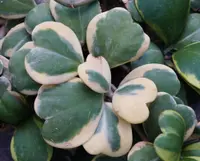
Hoya Hearts
Hoya kerrii
 POPULAR
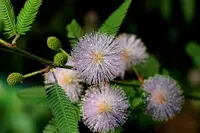
Sensitive Plant
Mimosa pudica
 POPULAR
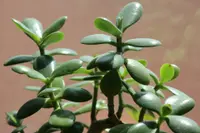
Jade plant
Crassula ovata
 POPULAR
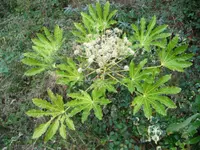
Japanese aralia
Fatsia japonica
 POPULAR
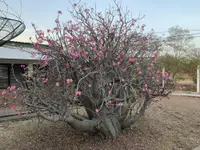
Desert Rose
Adenium obesum
 POPULAR
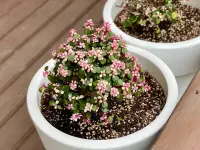
Elephant Bush
Portulacaria afra
 POPULAR
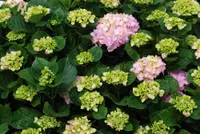
Bigleaf Hydrangea
Hydrangea macrophylla
 POPULAR
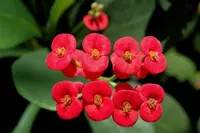
Crown-of-thorns
Euphorbia milii
 POPULAR
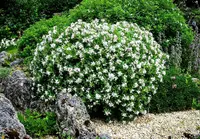
Cape jasmine
Gardenia jasminoides
 POPULAR
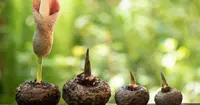
Devil's Tongue
Amorphophallus konjac
 POPULAR
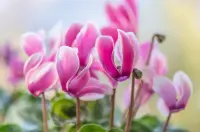
Cyclamen
Cyclamen persicum
 POPULAR
Chinese Banyan
Ficus microcarpa
 POPULAR
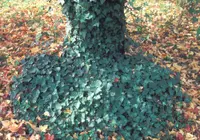
English Ivy
Hedera helix
 POPULAR
Hoya linearis
Hoya linearis
 POPULAR
Japanese camellia
Camellia japonica
 POPULAR
Council Tree
Ficus altissima
 POPULAR
Corpse Flower
Amorphophallus titanum
 POPULAR
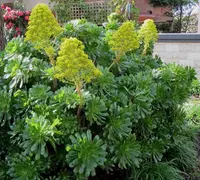
Tree Aeonium
Aeonium arboreum
All About Pollinator Plants & Their Ecological Role
Plants have bright colors and sweet smells for a good reason. They attract pollinators, and such cooperation is mutually beneficial. The plant produces the nectar or pollen, and the insect or animal visitor enables fertilization and further seed production. Such pollinator plants support around 300,000 species, such as bees, butterflies, moths, hoverflies, birds, bats, beetles, wasps, and various flies.
They play a huge role in biodiversity that provides our food, clean water, medicines, and a stable climate. All pollinators contribute to over 30% of global crop production, while insects alone provide food for roughly 90% of birds, so they are all parts of one big and important chain.
Unmatched Variety of Pollinator Garden Plants
The diversity within the group is enormous. First, we can distinguish two key types: native species that evolved within a specific region and the so-called exotic species that originate from other parts of the world.
In most cases, native species outperform exotic ornamentals. They attract more local pollinators due to a long period of co-evolution, serve species like some bees that can only collect pollen from one genus or family, and aren’t heavily hybridized.
Second, these plants can be annuals — the ones that complete their life cycle within one season (e.g., Garden cosmos, Pot marigold), or perennials — the ones that return every year (e.g., Purple coneflower, Lavender scallops). Third, some species are sun-lovers (e.g., Wreath goldenrod, Orange coneflower), and some prefer partial or full shade (e.g., Foxglove, August lily, Coral bells).
How to Create a Pollinator-Friendly Garden?
Creating a perfect garden that supports wildlife is easier than it seems. Try to create a mix of early-season (e.g., Japanese camellia, snowdrops), mid-season (e.g., French lavender, echinacea), and late-season (e.g., English ivy, Cyclamen) species for continuous blooming. Avoid hybridized or double-flower species — they look great, but breeders often eliminate pollen, nectar, and fragrance for that perfect appearance.
You don’t need a large garden to have a nice blooming space. If you choose high-value, compact plants, such as salvia varieties or herbs like lavender and thyme, a small balcony or terrace will work perfectly fine. To find such species or larger alternatives, check the list of pollinator plants above with complete information on every plant’s unique features, environmental tips, and key care requirements.