Coral Bells Care (Heuchera 'Georgia Peach')

About Coral Bells

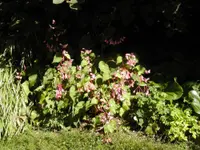
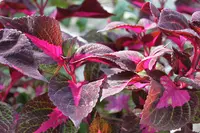
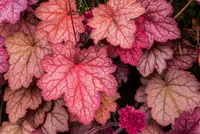
Coral bells (Heuchera 'Georgia Peach') is a compact, clumping perennial grown mainly for its colorful foliage rather than its flowers. It forms low mounds of large, peach to rosy-orange leaves with a soft, slightly ruffled surface that stands out in mixed borders and containers.

This cultivar traces its wild heritage to North American woodland and rocky habitats, which helps explain its tolerance for partial shade and cool conditions. Once established, it is generally easy to grow, provided the soil drains well and does not stay waterlogged.

Heuchera 'Georgia Peach' suits gardeners looking for long-lasting leaf color with moderate maintenance needs. Understanding how to care for Coral Bells focuses mostly on giving it suitable light, consistent moisture, and protection from extreme heat or drought.

Main Plant Requirements

Care Difficulty

Moderate Care

Light Preference

Partial Shade

Water Requirements

Moderate Water

Temperature Preference

Cold Hardy

Hardiness Zone

4–9

Soil Texture

Loamy, Sandy, Organic-rich

Soil pH

Acidic (5.5–6.5), Slightly acidic (6.5–7.0)

Soil Drainage

Moist but well-drained

Fertilization

Light (every 4–6 weeks)

Get Personalized Care Plan

Scan your plant to receive care tips personalized for your specific plant

Available on iOS and Android

How to Care for the Coral Bells

Heuchera 'Georgia Peach' performs best with bright but gentle light that protects its foliage color and health.

  • Provide 4–6 hours of morning sun with afternoon shade; eastern exposure or light dappled shade under open trees suits Coral Bells well.
  • In hotter regions, avoid harsh sun from 12–4 p.m., which can scorch leaves and fade color; use filtered light or shade cloth if sites are very exposed.
  • In cooler climates, it tolerates more sun, but watch for leaf crisping or pale color as signs of too much light, and open, floppy growth as a sign of too little.

Heuchera 'Georgia Peach' prefers evenly moist, well-drained soil that never stays saturated or bone dry for long.

  • Check soil before watering; in garden beds, water when the top 3–5 cm feels dry, aiming for a thorough soak that reaches the root zone.
  • Use loose, well-draining soil enriched with compost so excess water runs out quickly and crowns do not sit in water, which encourages rot.
  • In cooler seasons reduce watering frequency, while in hot, dry spells watch for limp, dull leaves as a sign of thirst and yellowing or mushy crowns as a sign of overwatering.

This heuchera is a hardy perennial that tolerates cold winters yet prefers moderate temperatures for strongest growth.

  • Active growth is best around 60–75°F (16–24°C); foliage holds color well and roots stay healthy in these mild conditions.
  • The plant is hardy in-ground to about -20°F (-29°C) with mulch protection, but newly planted clumps benefit from winter mulch and good drainage to prevent freeze–thaw damage.
  • In summer heat above 85°F (29°C), provide afternoon shade and consistent soil moisture; prolonged heat above 95°F (35°C) can stress foliage and reduce vigor.

This cultivar tolerates a wide humidity range and usually does not need special adjustments outdoors.

  • Target 40–60% humidity, which suits typical Coral Bells growth in most garden conditions.
  • Dry air is rarely a problem, but prolonged hot, windy weather can cause marginal leaf crisping and faster wilting.
  • If foliage edges brown in heat, group plants near other perennials, apply organic mulch, and water at soil level to limit evaporation stress.

Heuchera 'Georgia Peach' prefers loose, humus-rich soil that drains quickly but does not dry out instantly.

  • Use a loamy mix with high organic matter, such as garden loam blended with compost and fine bark, to support fibrous roots.
  • Ensure sharp drainage; on heavy clay, build a raised bed or mound and incorporate grit or coarse sand to prevent waterlogging.
  • Aim for slightly acidic to neutral pH around 6.0–7.0, avoiding very alkaline soils that can reduce nutrient availability and cause leaf chlorosis.
  • Improve aeration by mixing in 20–30% perlite or fine gravel in compact soils, and avoid spots where water stands after rain.

This plant is well suited to container culture on patios, balconies, and shaded entries.

  • Choose a wide, shallow to medium-depth pot that allows the shallow root system to spread laterally without becoming cramped.
  • Select a heavier material like ceramic or clay if containers are exposed to wind, as the foliage mound can act like a sail.
  • Elevate the pot on feet or a stand so drainage holes stay clear, preventing water from pooling under the base after rain or irrigation.

Heuchera 'Georgia Peach' benefits from light, consistent feeding during the active growing season for best foliage color.

  • Use a balanced, slow-release fertilizer (around 10-10-10) or a light top-dressing of compost in early spring.
  • Feed once in spring and again mid-summer for plants in average garden soil; containers may need feeding every 6–8 weeks.
  • Dilute liquid fertilizers to 1/2 strength to avoid root burn and excessive, weak growth.
  • Stop feeding in late summer to early fall so Coral Bells can harden off before cold weather.

Heuchera 'Georgia Peach' responds well to light pruning that keeps the foliage mound dense and healthy.

  • Best time for structural pruning is early spring, removing winter-damaged and dead leaves at the base.
  • Shear off spent flower stalks after blooming to tidy appearance and encourage a neater mound.
  • Thin out crowded or yellowing leaves with clean hand pruners or scissors to improve airflow and reduce disease risk.
  • Every few years, trim back elongated, woody crowns and lightly mound soil to maintain a compact, attractive clump.

Transplanting and occasional division keep Heuchera 'Georgia Peach' vigorous and well-shaped in garden beds or containers.

  • Look for signs such as a woody, lifted crown, sparse centers, or roots circling the pot to decide when to transplant or divide.
  • Aim to transplant or divide every 3–4 years in early spring or early fall, when temperatures are mild.
  • Dig wide rather than deep, keeping as much root ball as possible, and replant at the same soil level to reduce stress.
  • Water thoroughly after moving, then keep soil evenly moist and shaded for 7–10 days to help roots re-establish.

Heuchera 'Georgia Peach' is most reliably propagated by division, which preserves the cultivar’s traits.

  • Divide mature clumps in early spring or early fall when soil is cool and plants are not under heat stress.
  • Lift the clump, then gently pull or cut it into sections, each with several growing points and healthy roots.
  • Replant divisions at original soil depth in well-drained soil, spacing 25–35 cm apart for good airflow.
  • Water divisions well and keep soil evenly moist, not soggy, until new growth shows that roots have settled.

This heuchera is generally cold hardy but benefits from simple winter care, especially in colder regions and containers.

  • In late fall, apply a 5–7 cm layer of mulch around the crown to insulate roots while keeping mulch off the leaves.
  • Leave most healthy foliage in place over winter to shield the crown, removing only mushy or diseased leaves.
  • Check after freeze–thaw cycles and gently press any frost-heaved crowns back into the soil.
  • Move container plants to a sheltered, unheated but frost-moderated spot, keeping soil just slightly moist.

Care Tips

Mulch Crown Carefully

Apply a thin 2–3 cm layer of fine mulch around, but not over, the crown to keep roots cool and moist while preventing rot at the plant’s growing point.

Divide To Rejuvenate

Every 3–4 years in early spring or early fall, lift and divide clumps with a clean knife, replanting vigorous outer sections at the same depth to maintain dense foliage and strong color.

Protect From Frost Heave

In regions with freeze–thaw cycles, gently press lifted crowns back into the soil in late winter and top up mulch to reduce root exposure and stress.

Monitor Leaf Burn

During hot summers, watch for scorched or faded leaves on the sunniest side and provide temporary shade cloth or relocate the plant slightly to balance light and leaf color quality when growing Coral Bells.

Rotate Containers Seasonally

For plants in pots, rotate the container a quarter turn every 2–3 weeks through the growing season so all sides receive similar light, which promotes an even, compact mound.

Common Pests and Diseases

Vine weevils

This pest chews notches in the leaf edges while the larvae feed on the roots and crowns, often causing sudden wilt and collapse. Symptoms include ragged foliage, loose plants in the soil, and poor vigor.

Solution

Inspect foliage at night and hand-pick adult beetles, then target larvae by drenching the soil with a biological control containing beneficial nematodes labeled for vine weevils. Remove and destroy badly affected plants and avoid keeping containers overly wet, as this favors larval survival when growing Coral Bells in pots.

Heuchera rust

This disease produces orange to brown pustules on the underside of leaves, often with pale or yellow spots on the upper surface. Affected foliage may distort, dry, and drop prematurely.

Solution

Remove and discard all infected leaves as soon as symptoms appear, keeping the area around the plant clean of fallen debris. Improve air circulation, avoid wetting the foliage, and if rust is persistent, apply a labeled fungicide and rotate products to reduce resistance risk.

Leaf spots

This disease causes small water-soaked or tan to dark brown spots that may merge into larger blotches, especially in humid or overcrowded conditions. Severely affected leaves may yellow and die back from the edges inward.

Solution

Prune and discard spotted leaves, thin crowded clumps, and water at the base rather than overhead to keep foliage dry. In recurring cases, use a copper-based or other labeled ornamental fungicide and ensure consistent spacing and airflow around plants.

Crown rot

This disease leads to a soft, mushy crown at soil level, often accompanied by wilting, yellowing, and sudden collapse, especially in poorly drained or waterlogged sites. Symptoms include a foul smell and brown, decaying tissue where the leaves meet the roots.

Solution

Uproot and discard plants with advanced symptoms and avoid replanting heuchera in the same poorly drained spot. Improve drainage with raised beds or amended soil, water only when the top layer has begun to dry, and avoid burying the crown too deeply when replanting.

Aphids

These insects cluster on young stems and leaf undersides, sucking sap and causing distortion, sticky honeydew, and sometimes sooty mold growth. New foliage may appear curled or stunted and can attract ants.

Solution

Rinse colonies off with a firm stream of water, repeating every few days, and prune heavily infested shoots. If needed, apply insecticidal soap or horticultural oil to the undersides of leaves and encourage natural predators such as lady beetles by avoiding broad-spectrum insecticides nearby.

Interesting Facts

Peach foliage color-shift

This cultivar is known for large leaves that emerge bright peach to salmon, then shift toward rose-pink and finally soft amber with silvery overlay as the season progresses, especially in cooler light. The pronounced color change is more dramatic than in many other heuchera cultivars and is linked to varying levels of anthocyanin pigments through the year.

Heat-tolerant parentage

It was bred from species with both Heuchera americana and Heuchera villosa background, which contributes to improved tolerance of heat and humidity compared with many older coral bells. This makes it reliable in much of the eastern and southern US where some heucheras struggle in warm summers.

Ornamental landscape workhorse

The plant was selected specifically as a foliage-focused perennial that keeps strong color through much of the growing season, not just in spring. Its consistent mound shape and leaf size have made it a standard choice in mixed borders and public plantings where visual impact and uniformity are important.

Botan icon

Did you know?

Heuchera 'Georgia Peach' received significant attention from plant trial programs soon after its introduction because few coral bells at the time combined such large, showy foliage with dependable performance in warm, humid regions, helping shift breeder focus toward heat-tolerant, foliage-forward cultivars.

FAQs about Coral Bells

Brown leaf edges usually come from drought stress, excess sun exposure, or fertilizer burn. Check moisture in the root zone, reduce direct midday sun, and avoid overfertilizing. Remove damaged leaves to reduce stress and improve appearance.

Grow Healthy Plants with Botan Care

Keep your plants happy and healthy with plant identification, disease detection, and easy care guidance.

Botan plant care app — identify plants on mobile

Explore More Plants