Pelargonium pseudoglutinosum Care

Pelargonium pseudoglutinosum

About Pelargonium pseudoglutinosum

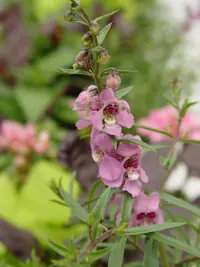
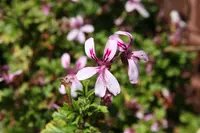
Pelargonium pseudoglutinosum is a tender, shrubby perennial geranium relative, valued for its soft, often slightly sticky foliage and delicate flowers held on slender stems. It forms a loose, bushy mound that suits containers, mixed borders, or a sunny patio.

This species is native to South Africa, where it grows in relatively dry, open habitats with good air movement and sharply drained soils. Its origin makes it adapted to bright light, moderate watering, and lean, gritty substrates rather than rich, soggy ground.

Overall, it is moderately easy to grow if given sun, drainage, and protection from hard frost, and learning how to care for Pelargonium pseudoglutinosum mainly involves avoiding overwatering and prolonged cold.

Main Plant Requirements

Care Difficulty

Moderate Care

Light Preference

Full Sun

Water Requirements

Moderate Water

Temperature Preference

Warm Climate

Hardiness Zone

10–11

Soil Texture

Sandy, Loamy, Organic-rich

Soil pH

Slightly acidic (6.5–7.0), Slightly alkaline (7.0–7.5)

Soil Drainage

Well-drained

Fertilization

Light (every 4–6 weeks)

Get Personalized Care Plan

Scan your plant to receive care tips personalized for your specific plant

Available on iOS and Android

How to Care for the Pelargonium pseudoglutinosum

This species prefers bright conditions with some protection during the hottest part of the day.

  • Provide 4–6 hours of direct morning sun, then bright shade or lightly filtered light in the afternoon to prevent leaf scorch.
  • In hot climates, give east-facing exposure or dappled light under high, open shade; in cooler regions, almost full sun is suitable.
  • Insufficient light leads to leggy stems and weak flowering, so increase sun exposure gradually, especially for Pelargonium pseudoglutinosum after cloudy periods.

This plant prefers thorough but infrequent watering in sharply drained soil.

  • Water only when the top 3–5 cm of soil feels dry, then soak the root zone until water drains through and let excess run off completely.
  • Use a gritty, fast-draining mix to prevent root rot; prolonged soggy soil, yellowing leaves, and soft stems indicate overwatering stress.
  • In active growth, monitor more often during hot, dry spells; in cooler months, reduce frequency and watch for limp, curling leaves as a sign of underwatering.

Stable mild conditions support strong growth and flowering.

  • Aim for 60–75°F (16–24°C) during the growing season, which keeps foliage compact and promotes steady development.
  • Protect from frost, as tissue damage occurs near 32°F (0°C); growth slows noticeably below 50°F (10°C).
  • This plant tolerates brief heat up to about 90°F (32°C) if soil is not waterlogged and roots are shaded, but extended extremes above this range reduce vigor and flowering.

This species prefers moderately dry air and generally does well at typical indoor humidity.

  • Aim for 30–50% humidity; avoid persistently above 60% to reduce fungal problems on leaves and stems.
  • Dry air is usually tolerated, but edges may brown and flower buds may drop if humidity also coincides with underwatering.
  • If air is very dry and heating is on, place the pot on a pebble tray with water below the base rather than misting Pelargonium pseudoglutinosum.

Soil for this plant should be loose, fast-draining, and only moderately rich in organic matter.

  • Use a mix of 50–60% standard peat- or coir-based potting mix with 20–30% coarse sand and 20% perlite for sharp drainage.
  • Aim for slightly acidic to neutral pH, around 6.0–7.0, which supports nutrient uptake without encouraging excess leaf growth over flowers.
  • Improve aeration by incorporating coarse particles like pumice or fine bark, preventing compaction around the roots.
  • Avoid heavy clay, unamended garden soil, or mixes that stay wet longer than 2–3 days, as these promote root rot and stem base rot in Pelargonium pseudoglutinosum.

This species is well suited to container growing for better control of drainage and root conditions.

  • Select a pot only 2–4 in wider than the root ball to keep the mix drying evenly and discourage waterlogging at the center.
  • Choose a rigid, fairly heavy container if grown outdoors so the plant remains stable against wind as the top growth becomes bushy.
  • Ensure drainage holes are fully open and elevate the pot slightly on feet or bricks so excess water clears quickly from the base.

Balanced feeding supports compact growth and flowering in Pelargonium pseudoglutinosum grown in containers.

  • Use a balanced liquid fertilizer (around 10-10-10 or 15-15-15) at 1/2 strength every 2–3 weeks during active spring–summer growth.
  • Alternatively, apply a light top-dressing of fine compost or a low-dose slow-release fertilizer at the start of the growing season.
  • Skip feeding or reduce to monthly at very low strength in winter or any dormant, low-light period.
  • Always water lightly before applying liquid feeds to avoid root burn and salt buildup in the potting mix.

Thoughtful pruning keeps Pelargonium pseudoglutinosum compact, branching, and floriferous.

  • Time most structural pruning for late winter or very early spring, just before vigorous new growth starts.
  • Use clean, sharp scissors or pruners to remove dead, diseased, leggy, or crossing stems back to healthy tissue.
  • Pinch soft shoot tips during the growing season to encourage bushier growth and more flowering stems.
  • After main flowering flushes, lightly trim spent flower stalks and straggly growth to maintain a neat, balanced outline.

Container-grown plants appreciate occasional repotting to refresh the root zone and maintain steady growth.

  • Check for roots circling the pot base, poking from drainage holes, or for slowed growth and faster drying soil as signs repotting is due.
  • Plan to move Pelargonium pseudoglutinosum into a slightly larger pot with fresh, free-draining mix every 2–3 years in early spring.
  • Water the plant the day before, gently loosen the root ball, and tease apart dense circling roots without tearing excessively.
  • After repotting, firm the mix gently, water thoroughly, and keep in bright, indirect light for 5–7 days to limit transplant stress.

Stem cuttings are the most reliable way to increase Pelargonium pseudoglutinosum plants.

  • Take 7–10 cm non-flowering stem cuttings in late spring or early summer from healthy, pest-free shoots.
  • Remove lower leaves, allow cut ends to dry for 1–2 hours, then insert into a sterile, free-draining mix such as perlite and peat or similar.
  • Maintain bright, indirect light, moderate warmth around 70–75°F, and lightly moist (not wet) substrate for steady rooting.
  • For seed propagation, sow fresh seed on the surface of a light mix, barely cover, and keep evenly moist until germination.

This species is frost-tender and needs deliberate winter management in cooler climates.

  • In regions with frost, grow in containers and move plants indoors before temperatures drop below 40°F.
  • Overwinter in a bright, cool room around 45–55°F to reduce stress while maintaining some light for foliage.
  • Reduce watering in winter, allowing the top layer of mix to dry more deeply between waterings to prevent root rot.
  • In mild climates without hard frost, a light mulch around the base supports root stability and moisture balance.

Care Tips

Pinch for bushiness

Regularly pinch out the soft shoot tips in early growth to encourage a dense, branching habit and more flowering stems rather than long, sparse growth.

Refresh woody plants

If stems become woody and leggy after a few seasons, take tip cuttings in late summer from healthy green growth to restart compact plants and maintain strong flowering performance.

Seasonal light shift

In winter, move pots to the brightest, coolest frost-free spot available to reduce stretching and keep internodes short while light levels are low.

Targeted pest scouting

Check the undersides of leaves and new growth weekly for aphids, whiteflies, and spider mites, and rinse foliage with a firm stream of water or use insecticidal soap at the first signs of infestation to avoid chemical overuse later.

Controlled overwinter rest

For outdoor container plants, allow a slight dry-down and cooler conditions indoors in winter, then gradually increase water and light in late winter to synchronize new growth and flowering when growing Pelargonium pseudoglutinosum.

Common Pests and Diseases

Pelargonium rust

This disease causes yellow spots on the upper leaf surface and dark brown powdery pustules on the undersides. Symptoms include premature leaf drop and gradual thinning of the plant canopy.

Solution

Remove and discard all affected leaves, avoid wetting foliage, and increase airflow around the plant. For persistent cases, apply a labeled fungicide containing myclobutanil or chlorothalonil, repeating as directed and spacing plants to reduce humidity, which is key in Pelargonium pseudoglutinosum care instructions.

Botrytis blight

This disease produces soft, water-soaked patches on leaves, stems, and flower heads that become covered with gray, fuzzy mold. Symptoms include collapse of tender growth and browning of petals and leaf edges, especially in cool, damp conditions.

Solution

Cut off and discard all affected tissue, then improve ventilation and reduce overhead watering to keep surfaces dry. In severe or recurring cases, use a labeled Botrytis fungicide and ensure plants are not overcrowded so moisture can dissipate quickly.

Pelargonium bacterial blight

This disease leads to wedge-shaped leaf lesions, wilting, and blackening of stems, often starting on lower leaves and moving upward. Symptoms include sudden collapse of shoots and a general decline even when soil moisture appears normal.

Solution

Promptly remove and discard infected plants and any nearby highly suspect material, since this bacterium spreads easily in splashing water and on tools. Sterilize pruning tools with 70% alcohol or a 10% bleach solution, avoid overhead irrigation, and start new plants only from clean, certified material.

Aphids

These insects cluster on young stems, buds, and leaf undersides, sucking sap and causing curling, distortion, and sticky honeydew deposits. This pest can also encourage sooty mold growth on the leaves.

Solution

Wash colonies off with a firm stream of water, then spot-treat remaining insects with insecticidal soap or a light horticultural oil, coating leaf undersides thoroughly. Repeat treatments every 5–7 days until populations are gone, and check new growth frequently during active growing periods.

Whiteflies

These insects appear as tiny white moth-like adults that fly up when the plant is disturbed, while sap-sucking nymphs stay on the leaf undersides. This pest weakens plants, causes yellowing, and produces honeydew that can support sooty mold.

Solution

Hang yellow sticky traps near the foliage to capture adults, and regularly inspect and wipe or rinse leaf undersides to reduce nymphs. For ongoing infestations, use insecticidal soap or horticultural oil on the undersides of leaves every 5–7 days, and avoid moving infested plants near clean stock to limit spread.

Interesting Facts

Natural Cape sandstone specialist

This species is native to the sandstone slopes of the southwestern Cape in South Africa, where it grows in nutrient-poor, very well-drained soils that experience winter rainfall and dry summers.

Sticky yet non-glandular foliage

Although its name suggests strong stickiness, the leaves and stems are only lightly sticky to the touch, reflecting the older and somewhat misleading epithet pseudoglutinosum, which means “false sticky” in Latin.

Softly scented leaf surface

The leaves release a light fragrance when rubbed due to essential oils in the tissue, a common trait in Pelargonium, but in this species the scent is relatively subtle compared with the strongly aromatic, commercially selected scented-leaf geraniums.

FAQs about Pelargonium pseudoglutinosum

This species usually flowers from late spring through summer, sometimes into early autumn in mild climates. Individual blooms last about 1–2 weeks, but regular deadheading keeps fresh flowers coming and extends the overall display period.

Grow Healthy Plants with Botan Care

Keep your plants happy and healthy with plant identification, disease detection, and easy care guidance.

Botan plant care app — identify plants on mobile

Explore More Plants