longsepal beardtongue Care (Penstemon calycosus)

longsepal beardtongue

About longsepal beardtongue

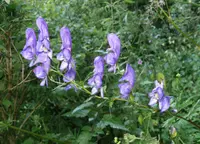
Longsepal beardtongue (Penstemon calycosus) is a clump-forming perennial wildflower in the plantain family. It produces upright stems with narrow leaves and tubular lavender to pink flowers.

This species is native to eastern North America, where it grows in open woods, prairies, and along woodland edges. It typically forms airy patches that attract bees, butterflies, and hummingbirds.

Penstemon calycosus is generally considered moderately easy to grow if given sun, well-drained soil, and protection from waterlogging. Gardeners who learn how to care for longsepal beardtongue usually find it long-lived and low maintenance.

Main Plant Requirements

Care Difficulty

Easy Care

Light Preference

Full Sun

Water Requirements

Moderate Water

Temperature Preference

Cold Hardy

Hardiness Zone

4–8

Soil Texture

Sandy, Loamy, Rocky

Soil pH

Acidic (5.5–6.5), Slightly acidic (6.5–7.0)

Soil Drainage

Well-drained

Fertilization

Minimal (feed rarely)

Get Personalized Care Plan

Scan your plant to receive care tips personalized for your specific plant

Available on iOS and Android

How to Care for the longsepal beardtongue

Penstemon calycosus thrives in bright, open sites with several hours of direct sun each day.

  • Provide 6–8 hours of direct sun daily; morning sun with light afternoon shade helps prevent leaf scorch in hot summers.
  • Plant longsepal beardtongue where it receives full sun in spring and fall, with optional light dappled shade during peak summer heat.
  • In partial shade (4–5 hours sun), flowering and compact growth decrease; very shady sites cause weak, floppy stems and few blooms.

Penstemon calycosus prefers slightly dry, well-drained soil and does not tolerate prolonged wet conditions.

  • Water only when the top 3–5 cm of soil feels dry, then soak the root zone and allow excess water to drain away.
  • During the first growing season, monitor closely and water after dry spells; once established, rely mainly on rainfall except in extended drought.
  • Signs of overwatering include yellowing lower leaves, soft stems, and root rot odor; crisp leaves and drooping stems that perk up after rain indicate underwatering.

This hardy perennial tolerates a wide temperature range once established.

  • Optimal growth occurs around 65–80°F (18–27°C) during the growing season, with cooler nights improving flower quality.
  • Plants are cold hardy in much of the US, surviving winter lows near -20°F (-29°C) when planted in the ground with good drainage.
  • Heat tolerance is good up to about 90–95°F (32–35°C) if soil is not waterlogged; prolonged freezing-thawing cycles in poorly drained soil increase root loss.

Penstemon calycosus handles a wide humidity range and usually does not need adjustment outdoors.

Penstemon calycosus prefers lean, well-aerated soil that drains quickly and does not stay wet.

  • Use sandy or gravelly loam with low to moderate organic matter to mimic its native prairie and open woodland habitats.
  • Aim for slightly acidic to neutral pH, around 6.0–7.0, which supports nutrient uptake without encouraging lush, weak growth.
  • Improve drainage and aeration by incorporating coarse sand or fine gravel plus a small amount of compost, not peat-heavy mixes.
  • Avoid compacted clay, waterlogged beds, and heavily fertilized substrates, which promote root rot and floppy, short-lived plants.

This species can be grown in containers if the pot and medium are chosen to prevent waterlogging.

  • Select a deep, narrow pot to accommodate the taproot while limiting excess surface area that dries too rapidly in sun.
  • Use a very free-draining mix of standard potting medium cut 30–50% with coarse sand or fine grit to shed water fast.
  • Choose a heavy or weighted container if placed in windy sites, since tall flowering stems can make the plant top-heavy.

This native perennial, including longsepal beardtongue, needs only light, occasional feeding in typical garden soil.

  • Use a thin layer of compost or a low-rate balanced slow-release fertilizer (around 10-10-10) in early spring.
  • Feed once per growing season in average soil; skip feeding on rich or amended beds.
  • Dilute liquid balanced fertilizer to 1/4–1/2 strength if used during active growth.
  • Avoid fertilizing in fall and winter to prevent soft, frost-prone growth.

Pruning Penstemon calycosus focuses on keeping plants tidy and encouraging repeat bloom.

  • In late spring to summer, deadhead spent flower spikes down to a healthy leaf pair to promote more flowering.
  • Remove dead, damaged, or diseased stems at the base whenever noticed using clean, sharp pruners or scissors.
  • After flowering finishes, lightly thin crowded stems to improve airflow and reduce fungal issues.
  • In late fall or very early spring, cut back old, woody stems, leaving low basal growth to resprout.

This species is most often grown in the ground; transplant carefully to avoid disturbing its fibrous roots.

  • Plan transplanting for early spring or early fall when temperatures are mild and soil is workable.
  • Move plants only every few years, or when crowded clumps show reduced flowering or center dieback.
  • For container plants, shift to a slightly larger pot when roots circle the drainage holes or growth slows.
  • Water thoroughly before and after transplanting, keep soil evenly moist for 1–2 weeks, and shade lightly to reduce stress.

Penstemon calycosus is commonly propagated by seed and division for maintaining garden populations.

  • Collect ripe seed in late summer to early fall and sow in trays or pots that drain well.
  • Provide a cold stratification period of about 6–8 weeks at 35–40°F to improve germination.
  • In early spring or early fall, divide established clumps, keeping several healthy shoots and roots per division.
  • Plant divisions at the same depth, water in well, and maintain lightly moist, well-drained soil until established.

This species is cold hardy in much of the US and usually needs only minimal winter attention outdoors.

  • Tolerates typical frost and freezing in USDA zones where it is hardy when grown in well-drained soil.
  • After hard frost, allow dead stems to stand or cut them back low, depending on garden style preferences.
  • Apply a light 2–5 cm mulch layer around the crown in late fall, keeping mulch just clear of stems.
  • Move container-grown plants into a sheltered, unheated garage or against a protected wall to limit freeze–thaw stress.

Care Tips

Encourage sturdy stems

Expose plants to consistent light wind or gently brush the stems by hand a few times per week in spring to promote stronger, less floppy growth without needing stakes.

Deadhead in stages

Remove spent flower spikes gradually over 2–3 weeks instead of all at once to extend the bloom window and direct energy into forming new flowering shoots.

Thin for airflow

In early summer, selectively remove a few crowded stems at the base to increase air circulation, which helps reduce foliar diseases and keeps the clump more upright.

Targeted seed collection

If you want seedlings, let only the healthiest, best-blooming plants set seed and collect the capsules when they turn brown and begin to split, then sow them promptly in a marked nursery area.

Winter crown protection

After hard frost, apply a light, airy mulch such as shredded leaves around but not over the crown to buffer freeze–thaw cycles and prevent heaving, which is especially helpful when growing longsepal beardtongue in exposed sites.

Common Pests and Diseases

Rust

This disease causes small orange, brown, or rust-colored pustules on leaves and stems, often leading to early leaf drop in humid conditions.

Solution

Remove and discard infected leaves, avoid overhead watering, and space plants to improve airflow; in recurring cases, apply a labeled sulfur or chlorothalonil fungicide during extended wet periods as part of broader Penstemon calycosus care instructions.

Leaf spot

This disease produces tan to dark brown spots on foliage that can merge into larger blotches, especially during warm, wet weather.

Solution

Prune and dispose of affected leaves, keep irrigation at soil level, thin crowded clumps to reduce humidity, and if spotting is severe across multiple seasons, use a copper- or chlorothalonil-based fungicide according to label directions.

Powdery mildew

This disease appears as white to gray powdery patches on leaves and stems, which can cause distorted growth and reduced flowering in shaded, stagnant conditions.

Solution

Increase sun exposure if possible, improve air circulation by thinning stems, water early in the day at ground level, and treat severe cases with a potassium bicarbonate or horticultural oil product labeled for powdery mildew.

Spider mites

These pests are tiny sap-feeding mites that cause fine stippling, a dull grayish cast to leaves, and delicate webbing during hot, dry weather.

Solution

Spray foliage thoroughly with a strong stream of water to dislodge mites, raise humidity around the plant, remove heavily damaged leaves, and if populations persist, apply insecticidal soap or a horticultural oil, repeating as needed per label directions.

Aphids

These insects cluster on tender stems and flower spikes, sucking sap and causing curling foliage, sticky honeydew, and sometimes sooty mold growth.

Solution

Pinch or hose off colonies, encourage natural predators like lady beetles, remove heavily infested shoots, and use insecticidal soap or neem oil on remaining aphids, ensuring full coverage of stems and leaf undersides.

Interesting Facts

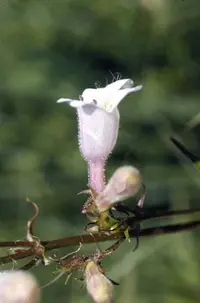
Long, flared calyx lobes

This species has unusually long, flared calyx lobes that extend well beyond the base of the corolla tube, a trait that helps distinguish it from other North American beardtongues with shorter, tighter calyces.

Moist woodland preference

Unlike many beardtongues that favor dry, rocky sites, this species naturally occurs in moist, open woodlands and woodland edges on rich loam soils across parts of the central and eastern United States.

Bee-optimized flower shape

Its pink to lavender tubular flowers are shaped and sized to accommodate medium to large native bees, which often enter the tube and contact the anthers and stigma, making the plant an efficient specialist for bee pollination in its habitat.

FAQs about longsepal beardtongue

This species is highly attractive to native bees, bumblebees, and sometimes hummingbirds. Tubular flowers provide nectar while the plant’s open structure offers easy access. It is a reliable pollinator-supporting perennial for mixed borders and naturalistic plantings.

Grow Healthy Plants with Botan Care

Keep your plants happy and healthy with plant identification, disease detection, and easy care guidance.

Botan plant care app — identify plants on mobile

Explore More Plants