Optimize container depth
Use a wide, shallow pot rather than a deep one to match the plant’s rhizomatous root system and reduce the risk of stagnant, soggy lower soil layers.

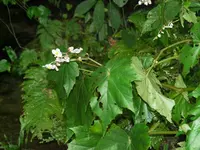
Begonia formosana, often called Formosana begonia, is a rhizomatous perennial from forested mountain slopes of Taiwan and parts of East Asia. It usually grows low and spreading, forming clumps over time. Leaves are often asymmetrical, with attractive veining and a slightly glossy surface that gives the plant a refined, woodland look. Small clusters of soft-colored flowers rise above the foliage in season, adding a delicate accent rather than showy blooms. This species prefers shaded, humid conditions with airy, well-drained soil, which reflects its understory forest origin. Once its need for stable moisture and protection from harsh sun is understood, it is moderately easy to care for Formosana begonia.

Care Difficulty
Moderate Care

Light Preference
Partial Shade

Water Requirements
Keep Soil Moist

Temperature Preference
Warm Climate

Hardiness Zone
9–11

Soil Texture
Loamy, Peaty, Organic-rich

Soil pH
Acidic (5.5–6.5), Slightly acidic (6.5–7.0)

Soil Drainage
Moist but well-drained

Fertilization
Light (every 4–6 weeks)
Scan your plant to receive care tips personalized for your specific plant
Available on iOS and Android
This woodland begonia prefers soft, filtered light similar to a bright forest edge.
This species prefers evenly moist but not saturated soil around its fibrous roots.
This plant grows best in mild, frost-free conditions with stable temperatures.
This species benefits from moderately humid air and reacts quickly to dry indoor conditions.
This species prefers a loose, airy, organic-rich substrate that drains very quickly.
This species is well suited to container cultivation in shaded outdoor spots or bright, protected areas.
This woodland perennial benefits from light, consistent feeding during active growth.
Pruning is mainly used to keep Begonia formosana tidy and encourage denser growth.
This species prefers stable conditions and only needs repotting or transplanting when clearly rootbound or overcrowded.
This begonia is commonly propagated to expand clumps or share plants.
Begonia formosana has limited frost tolerance and benefits from basic winter protection in cooler climates.

Plant Health Check
Not sure what's wrong with your plant? Check your plant's health inside the app.
This species is native to Taiwan, where it is naturally found on moist, shaded forest floors and rocky slopes, often along streams and in misty mountain valleys.
It develops a small underground tuber that allows the plant to survive seasonal stress, such as short dry periods or brief cold spells, and then resprout when conditions improve.
Mature plants often show a subtle, asymmetric leaf shape with fine serration and a pale vein pattern, a combination that helps distinguish it from similar Asian woodland begonias.
Lack of flowering usually comes from insufficient maturity, low light intensity, or nutrient imbalance, especially excess nitrogen. Cool nights, a short rest after the growing season, and balanced fertilizer support bud formation and more reliable seasonal bloom.
Keep your plants happy and healthy with plant identification, disease detection, and easy care guidance.