


Pinch For Bushiness
Regularly pinch back 1–2 cm of new shoot tips every 3–4 weeks during active growth to keep the plant compact, dense, and evenly covered in foliage.

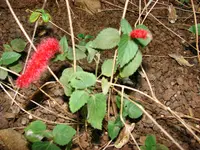
Acalypha chamaedrifolia, commonly called bastard copperleaf, is a small tropical shrub grown mainly for its fine-textured, serrated foliage and compact, bushy habit. It is usually kept as an ornamental in warm gardens or as a container plant.
In nature it occurs in tropical regions of the Americas, where it grows in bright, open sites with regular moisture. The plant tends to be fast growing but can be sensitive to cold, drought, and poor drainage.
With stable warmth, good light, and slightly moist, well-drained soil, it is generally moderate in difficulty for home growers. Learning how to care for Bastard Copperleaf focuses on avoiding temperature stress and keeping the root zone evenly moist but not waterlogged.

Care Difficulty
Moderate Care

Light Preference
Partial Shade

Water Requirements
Keep Soil Moist

Temperature Preference
Tropical / Frost Sensitive

Hardiness Zone
10–11

Soil Texture
Loamy, Sandy, Organic-rich

Soil pH
Acidic (5.5–6.5), Slightly acidic (6.5–7.0)

Soil Drainage
Moist but well-drained

Fertilization
Light (every 4–6 weeks)
Scan your plant to receive care tips personalized for your specific plant
Available on iOS and Android
This low shrub prefers bright, indirect light to keep foliage dense and colorful.
This species prefers evenly moist but not waterlogged soil for steady growth.
This warm-climate shrub grows best in stable, frost-free conditions.
This species prefers moderately humid air and reacts quickly to extended dryness.
Acalypha chamaedrifolia prefers a light, airy, organic-rich substrate that drains quickly yet holds steady moisture.
This species is well suited to container growing when the pot supports its spreading, shallow-rooted habit.
This species benefits from modest, consistent feeding during its active growing season.
Light, regular shaping keeps Acalypha chamaedrifolia dense and attractive.
Container-grown plants benefit from timely repotting to maintain steady growth and root health.
This plant is most often propagated from softwood or semi-ripe stem cuttings.
This tropical species is frost-tender and needs protection in regions with cold winters.

Plant Health Check
Not sure what's wrong with your plant? Check your plant's health inside the app.
This species naturally forms low, mat-like clumps with trailing stems, which allows it to be used as a living groundcover or to spill over the edges of containers and hanging baskets.
The small, deeply serrated leaves resemble those of ground ivy and create a fine-textured foliage surface that contrasts well with broader-leaved tropical plants in mixed plantings.
In frost-free or warm climates, this plant maintains continuous growth and foliage density through the warm season, but it quickly declines or is killed when exposed to even light frost.
Brown, crispy leaf edges usually result from low humidity, excess fertilizer salts, or inconsistent watering. Flush the soil thoroughly, trim damaged tips, increase ambient humidity slightly, and keep the root zone evenly moist without staying waterlogged.
Keep your plants happy and healthy with plant identification, disease detection, and easy care guidance.

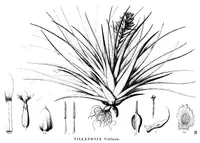
Tillandsia pohliana
Tillandsia pohliana
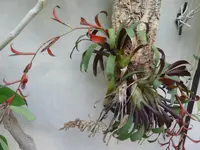
Tillandsia leiboldiana
Tillandsia leiboldiana
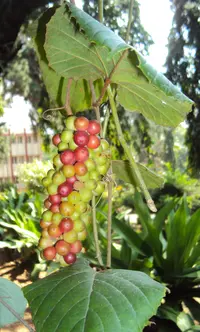
Ampelocissus latifolia
Ampelocissus latifolia
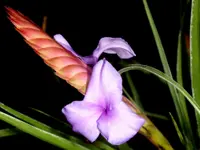
Tillandsia guatemalensis
Tillandsia guatemalensis
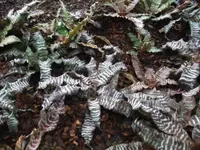
Cryptanthus zonatus
Cryptanthus zonatus
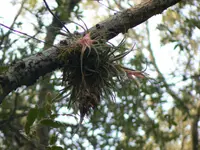
Tillandsia erubescens
Tillandsia erubescens
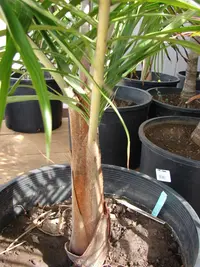
Dypsis lastelliana
Dypsis lastelliana
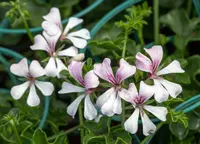
Ivy geranium
Pelargonium peltatum