Cryptanthus zonatus Care

Cryptanthus zonatus

About Cryptanthus zonatus

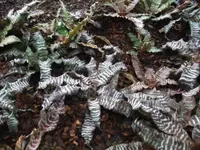
Cryptanthus zonatus, often called an earth star, is a compact bromeliad grown mainly for its striking foliage rather than flowers. It forms a flat rosette of banded leaves that hug the soil surface, creating a star-like shape.

This species comes from eastern Brazil, where it grows on the forest floor in warm, humid conditions with dappled light. Its slow, low-growing habit makes it suitable for small spaces, terrariums, and indoor displays.

Cryptanthus zonatus is considered moderately easy to grow if its need for stable warmth, good humidity, and free-draining yet consistently lightly moist substrate is respected. Understanding how to care for Cryptanthus zonatus helps prevent leaf damage and maintain strong color contrast in the foliage.

Main Plant Requirements

Care Difficulty

Moderate Care

Light Preference

Bright Indirect Light

Water Requirements

Moderate Water

Temperature Preference

Tropical / Frost Sensitive

Hardiness Zone

11–12

Soil Texture

Sandy, Loamy, Organic-rich

Soil pH

Acidic (5.5–6.5)

Soil Drainage

Well-drained

Fertilization

Light (every 4–6 weeks)

Get Personalized Care Plan

Scan your plant to receive care tips personalized for your specific plant

Available on iOS and Android

How to Care for the Cryptanthus zonatus

This species prefers bright, indirect light that mimics dappled tropical shade.

  • Provide 6–8 hours of bright, filtered light each day, such as near an east window or under 30–50% shade cloth outdoors.
  • Tolerates partial shade, but in very dim spots leaves may lose contrast and rosettes stretch toward the light.
  • Avoid harsh midday or afternoon sun, which can bleach or scorch foliage; gentle morning sun is usually safe, especially in cooler seasons.

Watering should keep the root zone lightly moist but never saturated.

  • Allow the top 2–3 cm of soil to dry before watering, then water thoroughly so excess drains away from the pot or bed.
  • In warm, active growth, expect to water more often; in cooler months, extend the dry period to reduce rot risk.
  • Signs of overwatering include limp, browning leaf bases and a sour smell in the soil, while crisp leaf edges and very dry, light soil suggest underwatering.

Stable, warm conditions support compact growth and good leaf color.

  • Aim for 65–80°F (18–27°C) as the main growing range, which suits most homes and mild outdoor climates.
  • Protect the plant from temperatures below 55°F (13°C); brief drops to 45–50°F (7–10°C) may be survived but can slow growth and dull foliage.
  • Avoid extreme heat above 90°F (32°C) without shade and airflow, as combined heat and intense sun can cause leaf scorch and stress.

This bromeliad prefers moderately high humidity but adapts if air is not extremely dry.

  • Aim for 50–70% humidity to keep foliage color and texture at their best.
  • Dry indoor air can cause brown, crispy leaf edges and slower growth over time.
  • Increase humidity with a nearby pebble tray, grouped plants, or a small humidifier placed close to Cryptanthus zonatus.

This species prefers a loose, fast-draining, organic-rich mix similar to epiphytic bromeliads.

  • Use a mix of roughly 50% fine orchid bark, 25% peat or coco coir, and 25% perlite or coarse sand.
  • Soil should feel airy, not compact; roots need high oxygen levels and should never sit in a dense mass.
  • Aim for slightly acidic conditions, around pH 5.5–6.5, which support nutrient uptake and root health.
  • Avoid heavy garden soil, clay-based mixes, or pots that stay wet longer than 2–3 days after watering.

This small bromeliad is very suitable for container growing.

  • Choose a shallow but wide pot so the spreading rosette fits comfortably without crowding the leaf bases.
  • Select a pot material that matches your watering style, using terracotta if you tend to overwater and plastic if you underwater.
  • Ensure the container is heavy or broad-based enough to prevent tipping as the rosette spreads outward and becomes lopsided in weight.

This bromeliad has modest nutrient needs, so light, diluted feeding during active growth is sufficient.

  • Use a balanced liquid fertilizer (around 10-10-10) diluted to 1/4–1/2 strength for Cryptanthus zonatus.
  • Apply every 4–6 weeks in spring and summer onto the soil, not into the central rosette.
  • Skip or halve feedings in fall and winter when growth slows.
  • Avoid strong granular products; a small amount of fine compost in the mix is adequate.

Pruning for this plant is minimal and focuses on hygiene and maintaining a neat rosette.

  • In any season, remove dried, brown, or damaged leaves at the base with clean, sharp scissors.
  • Cut spent flowering rosettes low once they decline, leaving attached pups to mature.
  • Thin crowded outer leaves only if they trap debris or reduce airflow.
  • Disinfect tools before and after use to lower disease risk.

Container-grown plants stay compact and usually need infrequent repotting.

  • Repot every 2–3 years or when roots circle the pot, growth stalls, or the plant becomes top-heavy.
  • Plan repotting for spring, using a shallow, wide pot with a fast-draining bromeliad or cactus mix.
  • Gently loosen circling roots and keep the original root ball largely intact to reduce stress.
  • Water lightly after repotting and keep in bright, indirect light for 1–2 weeks while it recovers.

Propagation is commonly done from offsets rather than from seed.

  • Use division of pups that form around the base of the mother plant.
  • Wait until pups reach at least 1/3–1/2 the size of the parent, ideally in spring or early summer.
  • Cut pups away with a sterile knife, keeping some roots attached if possible.
  • Plant in a small pot with airy, fast-draining mix, high humidity, and bright, indirect light.

This tropical bromeliad is frost-sensitive and needs mild, protected winter conditions.

  • Keep temperatures above 55°F; avoid exposure to frost or freezing drafts.
  • Move outdoor containers indoors before night temperatures drop near 50°F.
  • Provide bright, indirect light and slightly drier soil than in summer, never fully dry.
  • Do not mulch heavily over the crown; ensure the rosette stays dry and well-ventilated.

Care Tips

Offset management

Remove well-rooted offsets with a clean, sharp knife once they reach about one-third the size of the mother plant, then pot them individually to maintain a compact, decorative cluster and extend the life of the collection.

Salt-sensitive watering

Use low-mineral or filtered water if tap water is hard or heavily chlorinated, since excess dissolved salts can cause tip burn and dull the banding on the leaves.

Mineral grit topdress

Add a thin topdressing of fine gravel or pumice around the base of the plant to stabilize shallow roots, limit algae growth on the mix, and keep the rosette cleaner after watering.

Seasonal light adjustment

Rotate the pot and slightly adjust its position seasonally so the rosette receives even light from above, which helps keep the banding symmetrical and prevents lopsided growth when growing Cryptanthus zonatus.

Preventing crown rot

After watering, gently tilt the pot if needed to drain any standing water from the center of the rosette, especially in cooler seasons, to reduce the risk of fungal crown rot.

Common Pests and Diseases

Mealybugs

This pest hides in leaf rosettes and along the midrib, sucking sap and causing yellowing, distortion, and sticky honeydew on the foliage.

Solution

Remove visible insects with a cotton swab dipped in isopropyl alcohol, then rinse the rosette thoroughly with lukewarm water; repeat weekly until no new insects appear and isolate the plant from others during treatment.

Scale insects

These insects attach along leaf margins and bases as hard or waxy bumps, weakening the plant and sometimes causing pale patches and sticky residue.

Solution

Gently scrape or wipe off individual scales with a soft cloth or cotton swab and alcohol, then use repeated applications of insecticidal soap on both leaf surfaces, focusing on the lower leaf bases where scales tend to cluster.

Fungal leaf spot

This disease produces small brown or black spots on the stiff leaves, often with a yellow halo, which can merge into larger patches in humid, stagnant air.

Solution

Remove affected leaves, improve air circulation around the rosette, keep water off the foliage, and if new spots continue to appear, apply a copper-based fungicide according to label directions while maintaining drier leaf surfaces.

Bacterial leaf blight

Symptoms include water-soaked, translucent lesions that turn brown and may spread quickly along the leaf, especially when warm temperatures and standing water in the rosette persist.

Solution

Cut off and discard all affected tissue with a sterile tool, avoid letting water sit in the leaf cup, increase airflow, and keep the plant on the dry side for a period; if spread is rapid, discard the entire plant to protect nearby bromeliads and other Cryptanthus zonatus indoor care specimens.

Interesting Facts

Zebra banding pattern

This species shows sharply contrasting, transverse light and dark bands across the leaves that become more pronounced under higher light, giving it a distinctive zebra-like pattern compared with many other Cryptanthus species that have more mottled or diffuse markings.

Terrestrial tank bromeliad

Unlike many bromeliads that grow as epiphytes on trees, this species is naturally terrestrial and forms a shallow rosette that can still hold small amounts of water between leaf bases, functioning as a low tank close to the forest floor in its native Brazil.

Color shift with light

Its leaf coloration can shift noticeably with light intensity, often showing richer browns and more defined silver or pale bands in bright, indirect light, while lower light can lead to duller tones and less distinct striping, which is a key point in Cryptanthus zonatus care instructions.

Botan icon

Did you know?

In its native Atlantic Forest habitats of Brazil, this species often grows on thin, nutrient-poor substrates such as rocky outcrops or very shallow forest soils, relying heavily on leaf surface absorption and trapped organic debris rather than deep roots for nutrition.

FAQs about Cryptanthus zonatus

Brown, crispy leaf edges usually result from very low humidity, excessive fertilizer salts, or prolonged direct sun scorch. Flush the potting mix occasionally, provide moderate humidity, and move the plant away from harsh midday sun exposure.

Grow Healthy Plants with Botan Care

Keep your plants happy and healthy with plant identification, disease detection, and easy care guidance.

Botan plant care app — identify plants on mobile

Explore More Plants