Tillandsia pohliana Care

Tillandsia pohliana

About Tillandsia pohliana

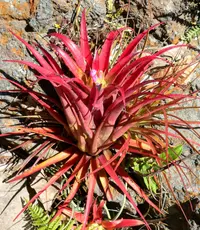
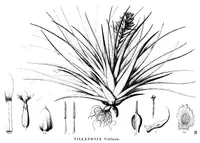
Tillandsia pohliana is a small epiphytic air plant in the bromeliad family. It usually grows attached to rocks, branches, or other surfaces rather than in soil. The plant forms compact rosettes of narrow, often silvery leaves that can tolerate bright light and good air movement. In nature it occurs in parts of South America, especially in dry or seasonally dry habitats. These adaptations make it relatively forgiving for indoor growers who provide bright indirect light and regular, light moisture. For those learning how to care for Tillandsia pohliana, its modest size and slow growth make it suitable for small displays and mixed air plant collections.

Main Plant Requirements

Care Difficulty

Moderate Care

Light Preference

Partial Sun

Water Requirements

Moderate Water

Temperature Preference

Warm Climate

Hardiness Zone

10–12

Soil Texture

Sandy, Rocky, Organic-rich

Soil pH

Acidic (5.5–6.5)

Soil Drainage

Well-drained

Fertilization

Minimal (feed rarely)

Get Personalized Care Plan

Scan your plant to receive care tips personalized for your specific plant

Available on iOS and Android

How to Care for the Tillandsia pohliana

This epiphytic air plant prefers bright, indirect light that mimics open woodland or bright shrub habitats.

  • Provide 4–6 hours of bright, filtered light daily, such as dappled shade under trees or morning sun with light afternoon shade.
  • Tolerates early morning direct sun but should be protected from strong midday and afternoon sun to prevent leaf scorching and bleaching.
  • In lower light seasons or cloudy climates, move Tillandsia pohliana to a brighter, sheltered spot to avoid stretched, weak growth.

This air plant absorbs moisture mainly through its leaves and depends on frequent, thorough wetting followed by quick drying.

  • Soak or heavily mist 2–3 times per week, allowing foliage to dry fully within 3–4 hours; increase to near-daily misting in hot, dry weather.
  • Signs of underwatering include curling, stiff, or brittle leaves, while limp, browning bases or a sour smell indicate overwatering and poor drying.
  • Ensure strong air circulation after watering, tilt or shake off excess water from leaf bases, and avoid leaving the plant constantly wet to prevent rot.

This species prefers warm, frost-free conditions similar to subtropical highland or lowland habitats.

  • Aim for 65–80°F (18–27°C) for active growth, with steady warmth and good airflow around the leaves.
  • Short dips to about 50°F (10°C) are usually tolerated if the plant is dry, but exposure below 45°F (7°C) risks cold damage.
  • Protect from frost and extreme heat above 95°F (35°C) by giving shade and extra air movement during hot spells and shelter during cold snaps.

This epiphytic air plant prefers moderately humid air but tolerates typical indoor conditions if watered correctly.

  • Aim for 50–70% humidity, using a room humidifier or grouping plants if your home is very dry.
  • Expect leaf tips to brown, curl, or feel crispy when humidity stays low for extended periods.
  • Increase local humidity by misting lightly in the morning and placing the plant near (not on) a pebble tray with water.

Tillandsia pohliana does not grow in conventional potting soil and instead needs a soil-free, highly aerated support setup.

  • Mount the plant on cork bark, driftwood, or a wire frame, using a small amount of sphagnum moss only around the base if needed.
  • Ensure water runs off completely after soaking, since trapped moisture around the base promotes rot.
  • Keep the mounting material open and airy so air can move freely around all leaf surfaces and the root zone.
  • Avoid burying any part of the plant in peat, compost, or dense mixes, which hold too much water and block air flow.

This species is suitable for container growing when placed above the pot on a support rather than planted in the mix.

  • Use a heavy, stable container with stones or gravel at the bottom if needed to prevent the mounted plant from tipping over.
  • Fix the plant to a branch or support that fits inside or over the container so air can circulate freely around it.
  • Choose inert fillers like expanded clay or large bark pieces in the pot to anchor supports without surrounding the plant base with moisture-holding media.

This epiphytic species needs only light, periodic feeding to support healthy growth without salt buildup.

  • Use a balanced, low-copper air plant or orchid fertilizer diluted to 1⁄4–1⁄2 strength in water.
  • Feed Tillandsia pohliana every 3–4 weeks during the warm growing season, after watering or misting.
  • Skip or reduce feeding to once every 6–8 weeks in winter or when growth slows noticeably.
  • Avoid compost or slow-release granules, which can burn foliage and trap excess moisture on the plant.

Pruning is minimal and mainly keeps this air plant clean and visually tidy.

  • Best time is late winter to early spring, before strong new growth starts.
  • Use small, sharp scissors or snips to remove dead, dried, or diseased leaves at their base.
  • Thin out crowded or badly shaped offsets to maintain airflow and a balanced clump of Tillandsia pohliana.
  • Cut spent flower spikes once fully dry to direct the plant’s energy into offset production rather than seed.

This air plant is not conventionally repotted but may be remounted or repositioned as it grows.

  • Remount when clumps outgrow their support, shade each other, or become unstable on the display surface.
  • Choose late spring or early summer, when active growth helps the plant recover from handling stress.
  • Typical frequency is every 2–4 years, or sooner if the mount deteriorates or airflow becomes restricted.
  • Handle roots and base gently, secure loosely with wire or biodegradable ties, and avoid burying any part in soil.

Propagation is usually done by separating offsets rather than raising new plants from seed.

  • Allow offsets to reach about 1⁄3–1⁄2 the size of the parent Tillandsia pohliana before removal.
  • Best season is spring to early summer, when warmth and bright light support quick establishment.
  • Gently twist or cut offsets from the parent base, keeping their small roots and basal tissue intact.
  • Place divisions in bright, indirect light with good air movement and maintain consistent misting to prevent desiccation.

This species is sensitive to frost and needs sheltered conditions in cold climates.

  • Keep temperatures above 45°F; brief dips lower than this can damage foliage and growing points.
  • Move mounted or container-grown plants indoors or into a bright greenhouse before the first frost.
  • Provide bright, indirect light and good air circulation indoors while slightly reducing watering frequency.
  • Avoid placing near cold, drafty windows or heating vents that create sudden temperature swings.

Care Tips

Mounting selection

Use inert, non-rotting mounts such as cork bark, hardwood, or plastic-coated wire mesh so the roots can anchor securely without staying wet, and avoid soft woods that decay and encourage fungal issues over time.

Optimized air movement

Place plants where there is consistent gentle air movement, such as near but not in front of a fan or open vent, to help leaves dry within 2–3 hours after misting and reduce the risk of rot.

Rainwater collection

Collect and store rainwater in a clean container, then use it for misting or soaking since the low dissolved mineral content is closer to this species’ natural cloud-forest conditions than hard tap water.

Seasonal light shifts

Shift plants slightly farther from strong windows or add a sheer curtain in late spring and summer when sun intensity increases, then move them a bit closer again in winter to compensate for weaker light.

Clustered microclimate

Group several air plants on the same mount or in a ventilated display frame to create a slightly more humid microclimate around the leaves, which can make caring for Tillandsia pohliana easier in dry indoor air.

Common Pests and Diseases

Mealybugs

This pest feeds in the leaf bases and sheltered crevices, sucking sap and weakening the plant over time. Symptoms include white, cottony clusters, sticky honeydew, and slow growth or leaf tip decline.

Solution

Remove affected plants from any display, then use a cotton swab dipped in 70% isopropyl alcohol to dab visible insects in every leaf junction and along the base. Rinse the plant thoroughly with room‑temperature water, increase air movement, and repeat spot treatments weekly until no new insects appear; persistent cases may need a low‑toxicity insecticidal soap specifically labeled for epiphytes, followed by very good drying and ventilation.

Scale insects

These insects attach firmly along the leaf sheaths and stem-like base, forming hard, flat bumps that can be brown, tan, or gray. This pest causes gradual yellowing, reduced vigor, and, in severe cases, leaf drop from the inner whorls.

Solution

Gently scrape or rub off individual scales with a soft brush or cloth, then rinse the plant thoroughly to remove residues. Follow with targeted applications of insecticidal soap or horticultural oil at very low dose, applied in the evening and rinsed the next morning; keep humidity moderate and air moving well to avoid prolonged leaf wetness during treatment as part of Tillandsia pohliana care instructions.

Fungal leaf spot

This disease appears when plants stay wet for long periods with poor airflow, leading to small dark spots that can enlarge and coalesce. Symptoms include discolored pits or lesions on older leaves, often starting in the densest, most shaded parts of the clump.

Solution

Improve ventilation and light, and adjust watering so the plant dries fully within a few hours after misting or soaking. Remove heavily spotted leaves, avoid evening watering, and if spots continue to spread, apply a copper- or sulfur-based fungicide at label rate for bromeliads or epiphytes, ensuring leaves dry promptly afterward.

Bacterial rot

This disease usually starts in the tightly packed leaf bases, where trapped water and stagnant air favor bacterial growth. Symptoms include a soft, water-soaked center, foul odor, and rapid collapse of inner leaves while outer leaves may remain green for a short time.

Solution

At the first sign of soft, smelly tissue, isolate the plant, then cut out all affected parts back to firm, healthy tissue with a sterile blade and discard infected material. Allow the plant to dry completely in bright, airy conditions, keep water off the central leaf bases, and if only a small section remains healthy, mount that pup or offset separately and maintain strong airflow to prevent recurrence.

Interesting Facts

Andean rock specialist

This species naturally grows on exposed rocky outcrops and cliffs in parts of Brazil and neighboring regions, anchoring to stone surfaces rather than typical tree bark like many other air plants.

Moisture‑efficient trichomes

Its leaves are densely covered with specialized scale-like cells called trichomes, which allow it to capture brief mist or light rain very quickly, an adaptation to windy, fast-drying mountain habitats.

High‑light adaptation

In the wild it often receives strong sun and high light levels, and the foliage can become noticeably paler or grayish as the trichomes reflect excess light and reduce overheating.

FAQs about Tillandsia pohliana

Flowering often depends on maturity, stable bright light, and consistent moisture followed by good drying. Sudden changes in environment, very low light, or chronic underwatering commonly delay bloom formation in this species.

Grow Healthy Plants with Botan Care

Keep your plants happy and healthy with plant identification, disease detection, and easy care guidance.

Botan plant care app — identify plants on mobile

Explore More Plants