Inch Plant Care (Tradescantia 'Maiden's Blush')

Also known as: Spiderwort

About Inch Plant

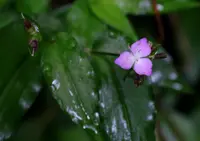
Inch plant, Tradescantia 'Maiden's Blush', is a trailing ornamental grown mainly for its soft pink-tinged foliage and compact, cascading habit. It is usually kept as a houseplant or in sheltered outdoor containers.

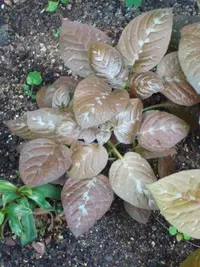
This cultivar develops small, lance-shaped leaves that can show green, cream, and blush tones, especially in brighter light. Stems root easily at the nodes, so it can fill a hanging basket quickly.

Tradescantia species come from the Americas, often in warm, partially shaded habitats with consistent moisture. Their fast growth and forgiving nature make them suitable for beginners who want to learn how to care for Inch Plant.

It generally prefers bright, indirect light, evenly moist but not soggy soil, and moderate indoor temperatures for best color and growth.

Main Plant Requirements

Care Difficulty

Easy Care

Light Preference

Bright Indirect Light

Water Requirements

Moderate Water

Temperature Preference

Tropical / Frost Sensitive

Hardiness Zone

10–12

Soil Texture

Loamy, Sandy, Organic-rich

Soil pH

Acidic (5.5–6.5), Slightly acidic (6.5–7.0)

Soil Drainage

Moist but well-drained

Fertilization

Light (every 4–6 weeks)

Get Personalized Care Plan

Scan your plant to receive care tips personalized for your specific plant

Available on iOS and Android

How to Care for the Inch Plant

Tradescantia 'Maiden's Blush' develops its best color in bright, indirect light with some gentle direct sun.

  • Provide 4–6 hours of bright, indirect light daily; short periods of mild morning sun are ideal, while strong afternoon sun can scorch leaves and fade the pink tones.
  • The plant tolerates partial shade, but stems stretch and foliage turns greener if light stays low for many weeks; move it gradually toward a brighter exposure.
  • Outdoors, use dappled light under taller plants or a sheer curtain indoors; adjust placement seasonally as the sun angle shifts when caring for Inch Plant.

Tradescantia 'Maiden's Blush' prefers evenly moist but not saturated soil.

  • Water when the top 2–3 cm (about 1 in) of soil feels dry, letting excess drain completely so roots do not sit in waterlogged conditions.
  • In spring and summer, drying should be slightly faster; in fall and winter allow the soil to dry a bit deeper and water more sparingly as growth slows.
  • Yellow, limp leaves and a sour soil smell suggest overwatering, while crisp, curling leaves and very light pots point to underwatering and the need to water more thoroughly.

This plant grows best in warm, frost‑free conditions with stable temperatures.

  • Aim for 65–80°F (18–27°C) for active growth; temperatures in this range support strong stems, good leaf color, and steady new shoots.
  • It tolerates brief dips to about 50°F (10°C), but growth slows and foliage quality declines; avoid any frost, which can quickly damage or kill stems.
  • In hot spells above 85°F (29°C), protect it from intense midday sun and drying winds, and monitor soil moisture more closely as evaporation increases.

This plant benefits from moderate to moderately high humidity for best foliage color and growth.

  • Aim for 40–60% humidity to keep leaves turgid and reduce brown, crispy tips along the edges.
  • It tolerates typical dry indoor air but prolonged levels below 30% often cause paling, curling, or tip burn, especially on new growth.
  • Increase humidity by grouping plants, placing the pot on a pebble tray with water below the pot base, or using a small humidifier near the Inch Plant.

Tradescantia 'Maiden's Blush' grows best in a loose, airy, organic-rich mix that drains quickly yet holds some moisture.

  • Use a peat- or coco-based houseplant mix amended with 20–30% perlite to improve drainage and aeration around the fine roots.
  • A slightly acidic to neutral pH of about 6.0–7.0 supports nutrient uptake and helps maintain healthy foliage color.
  • In heavy or compact mixes, blend in fine bark or coarse sand to create more pore space and prevent water stagnation.
  • Avoid dense garden soil or mixes that stay wet for more than 2–3 days, as this encourages root rot and stem base decay.

This Tradescantia is well suited to container growing and trailing displays.

  • Choose a wide, shallow pot rather than a deep one, since the plant forms a spreading mat of roots and stems near the surface.
  • Use a container material that matches your watering style; terracotta helps dry the mix faster, while plastic retains moisture longer.
  • Secure hanging or raised containers firmly because trailing growth can become unevenly weighted and shift the pot over time.

This plant responds well to modest feeding during active growth, supporting dense foliage and stronger stems when grown as an Inch Plant indoors.

  • Use a balanced liquid fertilizer (for example 10-10-10 or 20-20-20) diluted to 1/4–1/2 strength for container plants.
  • Feed every 4–6 weeks in spring and summer when growth is active, after watering to avoid root burn.
  • Reduce or stop feeding in fall and winter when growth slows, especially in low light.
  • Organic growers can use a thin layer of fine compost or a mild organic liquid feed at similar intervals.

Pruning helps Tradescantia 'Maiden's Blush' stay compact, full, and colorful, especially in containers or hanging baskets.

  • Best time is spring through late summer when the plant is actively growing and recovers quickly.
  • Pinch or cut back leggy stems just above a leaf node to encourage branching and a denser shape.
  • Remove dead, damaged, or crowded stems with clean scissors or small pruners to maintain airflow and reduce disease risk.
  • Use tip cuttings from pruning sessions for propagation, selecting healthy, non-woody growth.

This plant adapts well to containers and hanging baskets, and repotting keeps roots healthy and growth vigorous.

  • Plan to repot every 1–2 years in spring when roots circle the pot, emerge from drainage holes, or growth slows.
  • Choose a pot 2–3 cm wider with drainage and use a light, well-drained mix such as peat- or coir-based with added perlite.
  • Gently loosen circling roots, remove some old soil, and avoid heavy root tearing to limit transplant shock.
  • Water thoroughly after repotting, then keep soil lightly moist and out of harsh sun for 5–7 days while roots re-establish.

This plant is commonly propagated to refresh older specimens and create fuller pots from a few healthy stems.

  • Take 7–10 cm stem cuttings in spring or summer, cutting just below a node on non-flowering shoots.
  • Remove lower leaves and place nodes in water or a moist, airy mix under bright, indirect light.
  • Maintain high humidity and keep rooting medium lightly moist, not waterlogged, until new roots reach 2–3 cm.
  • Dividing dense, pot-bound clumps in spring is an alternative method, separating sections with roots attached.

This plant is frost-tender and needs mild, protected conditions in winter, especially when grown in containers.

  • Move outdoor pots indoors before temperatures drop below 50°F, providing bright, indirect light.
  • Maintain indoor temperatures around 60–75°F and avoid cold drafts from windows and doors.
  • Water less often in winter, allowing the top 2–3 cm of soil to dry before watering again to prevent root problems.

Care Tips

Pinch For Bushiness

Pinch or snip just above a node every 3–4 weeks during active growth to keep stems compact, encourage side shoots, and prevent the plant from becoming thin and leggy.

Refresh Leggy Stems

If older trailing stems become bare at the base, cut them into 8–10 cm sections and replant the tip cuttings back into the pot to thicken the plant and maintain a full, cascading form.

Rotate For Even Color

Rotate the pot 90° every 1–2 weeks so all sides receive similar light, which helps maintain an even blush coloration and reduces one-sided, stretched growth.

Use Staged Potting

Step up to only slightly larger pots (2–4 cm wider) as roots fill the current container, which keeps root zones oxygenated and reduces the risk of overwatering in oversized pots.

Quarantine New Arrivals

Keep new plants in a separate area for 10–14 days and inspect the undersides of leaves and nodes so any spider mites, aphids, or thrips are detected early and do not spread to existing Tradescantia 'Maiden's Blush' plant care collections.

Common Pests and Diseases

Spider mites

This pest thrives on Tradescantia foliage in warm, dry indoor air and causes stippled, faded leaves with fine webbing between stems and nodes.

Solution

Rinse stems and leaf undersides thoroughly with lukewarm water, then increase humidity and improve air circulation; for heavier infestations, wipe foliage with insecticidal soap or a neem oil solution every 5–7 days until no new damage appears.

Mealybugs

These insects hide in leaf axils and along stems, appearing as white cottony clusters that stunt growth and cause sticky honeydew on nearby surfaces.

Solution

Isolate the plant, then dab visible clusters with cotton swabs dipped in 70% isopropyl alcohol and follow with a careful wash using insecticidal soap; repeat weekly until no new insects appear and consider discarding heavily infested, leggy stems to keep growing Inch Plant compact and clean.

Leaf spot

This disease causes small, water-soaked or tan to brown lesions on leaves that may enlarge and lead to patchy, unattractive foliage, especially in dense hanging baskets.

Solution

Remove and discard affected leaves, avoid wetting the foliage when watering, and improve light and airflow around the plant; if spread continues, use a copper-based or other houseplant-labeled fungicide according to the product label and keep stems pruned to reduce crowding.

Botrytis blight

This disease develops in cool, humid, low-light conditions and leads to soft, grayish patches on leaves and stems that can be covered with fuzzy gray mold.

Solution

Cut away and discard all affected tissue, then increase light and ventilation, spacing plants so stems dry quickly; allow the top of the potting mix to dry slightly between waterings, and if conditions stay humid, apply a fungicide labeled for botrytis on ornamentals as a preventative measure.

Interesting Facts

Color shift with light

This cultivar develops its characteristic pink blush on the leaf underside only under relatively bright light; in low light conditions, new leaves often emerge mostly green with much weaker pink tones.

Compact trailing habit

Compared with many other Tradescantia cultivars, it has a finer, more delicate trailing habit with shorter internodes, which allows it to form a dense, cascading mat rather than long, sparsely leafed runners.

Subtle variegation pattern

The foliage shows a soft combination of green, cream, and pink tones rather than sharply defined stripes, which indicates a more mixed distribution of chlorophyll-containing and non-chlorophyll cells in each leaf.

FAQs about Inch Plant

Leggy growth usually comes from aging stems and not enough light or pruning. Pinch back stem tips regularly, re-root healthy cuttings, and rotate the pot to keep growth even and compact.

Grow Healthy Plants with Botan Care

Keep your plants happy and healthy with plant identification, disease detection, and easy care guidance.

Botan plant care app — identify plants on mobile

Explore More Plants