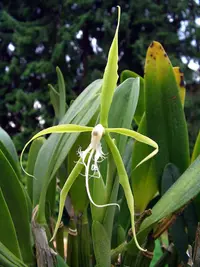
narrowleaf airplant Care (Tillandsia tenuifolia)

narrowleaf airplant

About narrowleaf airplant

Tillandsia tenuifolia, commonly called narrowleaf airplant, is a small epiphytic bromeliad that grows without regular potting soil. It anchors to bark, rocks, or decorative mounts instead of rooting in the ground.

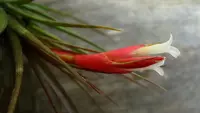
The plant forms narrow, grassy leaves in a compact clump and produces tubular pink to white flowers that add subtle color. In nature it occurs in warm, humid regions of Central and South America, often exposed to bright, filtered light and moving air.

Its simple structure, small size, and lack of soil make it relatively easy to handle and display indoors. Understanding how to care for narrowleaf airplant mainly involves matching its need for bright light, good airflow, and regular light moisture misting.

Main Plant Requirements

Care Difficulty

Moderate Care

Light Preference

Bright Indirect Light

Water Requirements

Moderate Water

Temperature Preference

Tropical / Frost Sensitive

Hardiness Zone

10–12

Soil Texture

Rocky, Organic-rich

Soil pH

Acidic (5.5–6.5)

Soil Drainage

Well-drained

Fertilization

Light (every 4–6 weeks)

Get Personalized Care Plan

Scan your plant to receive care tips personalized for your specific plant

Available on iOS and Android

How to Care for the narrowleaf airplant

Tillandsia tenuifolia needs bright, indirect light to maintain compact growth and healthy color.

  • Provide 6–8 hours of bright, filtered light each day, such as near an east window or under a sheer curtain with soft morning sun.
  • Protect the narrowleaf airplant from harsh midday and strong afternoon sun, which can cause leaf scorching and bleaching within days.
  • In winter, move it closer to bright windows or supplement with a grow light placed 20–30 cm away to prevent stretching and dull foliage.

Tillandsia tenuifolia absorbs moisture through its leaves, so watering focuses on thorough wetting and quick drying.

  • Soak or drench the plant for 10–20 minutes, then shake off excess; allow leaves to dry fully within 4 hours to reduce rot risk.
  • Increase watering to 2–3 times per week in warm, dry conditions and reduce to about weekly in cool or very humid weather.
  • Watch leaf texture and color: curling, stiff, dull leaves suggest underwatering, while limp, darkening bases or a sour smell point to overwatering.

This air plant prefers stable, mild warmth and does not tolerate frost.

  • Aim for 65–80°F (18–27°C) for steady growth, with good air movement to prevent stagnant, overly humid pockets around the leaves.
  • Protect it from temperatures below 45°F (7°C); exposure to 32°F (0°C) or frost often causes irreversible tissue damage.
  • During hot spells above 90°F (32°C), increase air circulation and humidity slightly, and keep it shaded from intense sun to limit heat stress and leaf burn.

This epiphytic species prefers moderate to high humidity to keep leaves hydrated and functional.

  • Aim for 50–70% humidity, as very dry indoor air slows growth and weakens the plant over time.
  • Brown, curling leaf tips and persistent wrinkling indicate humidity stress and inadequate ambient moisture.
  • Increase humidity with frequent light misting, grouping plants, or placing the narrowleaf airplant above but not in a shallow tray of water.

This air plant does not grow in traditional soil and instead needs a loose, highly aerated mounting medium.

  • Use chunky, open materials such as orchid bark, cork, or tree fern fiber that allow air to reach all sides of the roots and base.
  • Ensure rapid drainage; any mounting base should dry within a few hours after watering to prevent rot at the leaf bases.
  • Keep pH roughly in the slightly acidic to neutral range (about 5.5–7.0) by avoiding strongly limed or salty materials.
  • Avoid dense potting mixes, peat-heavy composts, and fine sand that retain moisture around the crown of Tillandsia tenuifolia.

This species can be grown in containers if they are used more as open displays than traditional pots.

  • Choose shallow, wide containers or bowls that let the plant sit above the surface on stones, shells, or mesh instead of being buried.
  • Use heavy or stable containers when placing multiple plants together to prevent tipping from uneven weight distribution.
  • Ensure any decorative vessel allows quick runoff of water by leaving ample gaps or using a raised inner stand so no water pools at the base.

Tillandsia tenuifolia benefits from light, diluted feeding during active growth rather than heavy fertilization.

  • Use a balanced, water‑soluble NPK fertilizer formulated for epiphytes or orchids, without urea if possible.
  • Feed every 4–6 weeks in spring–summer by misting or dipping, then let the plant dry within 4 hours.
  • Dilute fertilizer to 1/4–1/8 strength to avoid leaf burn on the narrowleaf airplant.
  • Reduce feeding to 1 light application in fall and stop during the coldest winter months.

Tillandsia tenuifolia needs only light pruning to stay tidy and healthy.

  • Best time is after flowering or during spring, when the plant resumes active growth.
  • Remove dead flower spikes and completely dried leaves with small clean scissors close to the base.
  • Trim only brown or damaged tips, leaving a narrow green margin to maintain leaf health and shape.
  • Cut away spent or rotting offsets to improve air flow and reduce risk of fungal problems.

This air plant is usually mounted rather than potted, so transplanting focuses on repositioning clumps, not root handling.

  • Consider remounting every 2–3 years if the clump outgrows its support or air circulation declines.
  • Best season is spring, when temperatures stabilize and recovery is fastest.
  • Gently detach the plant from old wire or glue, preserving the natural base and any attached offsets.
  • Secure to new bark, cork, or mesh with soft wire or ties, keeping the base exposed for good drying.

Propagation of Tillandsia tenuifolia is most reliable through offsets rather than seed.

  • Wait until pups reach about 1/3–1/2 the size of the mother plant before removing.
  • Separate offsets in spring–summer by gently twisting or cutting at the base with sterile scissors.
  • Place divisions in bright, indirect light with good air movement and resume normal misting after 1–2 days.
  • Seed propagation is possible but slow, requiring fine, well‑ventilated mesh supports and consistent warmth.

This air plant dislikes frost and needs protection in regions with cold winters.

  • Move outdoor displays indoors before temperatures drop below 40°F, especially in frosty climates.
  • Provide bright, indirect light near a window and keep temperatures around 60–75°F.
  • Reduce watering to light misting, allowing plants to dry fully between waterings to prevent rot.
  • Keep away from cold drafts, single‑pane windows, and heating vents that create extreme temperature swings.

Care Tips

Optimize mounting surfaces

Attach plants to open, non-porous mounts such as cork bark, hardwood, or plastic-coated wire so air can circulate freely around the base and water cannot collect against the leaves.

Use targeted dunking

Instead of frequent misting, submerge the plant upside down in clean, room‑temperature water for 5–10 minutes, then shake gently and dry on its side to prevent water from sitting in the leaf bases.

Rotate for even growth

Turn the plant or its mount by 90° every 2–3 weeks so light reaches all sides evenly, which encourages symmetrical rosettes and more balanced clump formation.

Manage clump division

Allow several offsets to form a small clump, then carefully twist or cut pups away at 1/3–1/2 the size of the parent to propagate new plants without stressing the original.

Seasonal air movement

Increase gentle air circulation around the plants in cool, damp seasons using a small fan on low setting to reduce the risk of rot while growing narrowleaf airplant in enclosed spaces.

Common Pests and Diseases

Scale insects

These insects attach to leaf surfaces and leaf bases, sucking sap and causing yellowing, stunting, and weakened plants over time.

Solution

Isolate the plant, then gently scrape or wipe insects off with a cotton swab dipped in isopropyl alcohol and rinse the foliage thoroughly; repeat weekly until no new scale appears and improve air movement to make future infestations less likely.

Mealybugs

These insects form white, cottony clusters in leaf bases and around the central rosette, leading to deformed growth and sticky honeydew deposits.

Solution

Remove visible clusters with a cotton swab dipped in isopropyl alcohol, then rinse the whole plant under a firm but gentle stream of water and keep it in brighter, well-ventilated conditions while monitoring and repeating treatment as needed.

Fungal leaf spot

Symptoms include small brown or black spots on leaves that may enlarge and coalesce, often starting where water remains trapped in the leaf bases for long periods.

Solution

Trim out badly spotted leaves with clean scissors, increase airflow and ensure the plant dries within 3–4 hours after watering, and apply a light, air-plant-safe copper or sulfur-based fungicide spray if new lesions continue to form.

Bacterial soft rot

This disease causes rapidly spreading soft, mushy, foul-smelling tissue at the central rosette or at water-trapping points between leaves, often following chronic over-wetting and poor air circulation.

Solution

Remove and discard the entire affected plant if the rot has reached the center; for very early, localized lesions, cut away all soft tissue with sterile tools, let the plant dry completely in strong air movement, and adjust watering so the plant dries quickly after soaking or misting to prevent recurrence.

Spider mites

These pests thrive on stressed, very dry plants and cause fine stippling, dull or grayish foliage, and occasionally thin webbing between leaves.

Solution

Rinse the plant thoroughly under lukewarm running water, focusing on leaf bases, then maintain slightly higher ambient humidity with strong airflow and repeat washing every few days; for persistent infestations, use a mild insecticidal soap labeled safe for epiphytic bromeliads as part of Tillandsia tenuifolia care.

Interesting Facts

Color-contrasting bracts

This species produces rosy-pink to red floral bracts that sharply contrast with its narrow green leaves and white to violet flowers, a color combination that helps attract specific hummingbird and insect pollinators in its native range.

Broad habitat tolerance

It occurs naturally from lowland coastal areas to higher elevations in parts of South America, growing as an epiphyte on trees, rocks, and sometimes fence posts, which shows a notable adaptability to different light and moisture regimes compared with many other air plants.

Naturally clumping growth

The plant tends to form dense clumps as individual rosettes mature and produce offsets, creating cushion-like mats that can cover branches or rock surfaces in the wild and provide small microhabitats for insects and other tiny organisms.

Botan icon

Did you know?

In parts of Brazil, this species has been recorded growing on telephone wires and other human-made structures in urban and peri-urban areas, illustrating how its epiphytic lifestyle allows it to colonize non-traditional substrates when suitable humidity and light are available.

FAQs about narrowleaf airplant

Brown tips or patches usually result from very dry air, intense direct sun, or past dehydration. Prolonged wetness at the base can also cause rot that spreads upward. Remove dead tissue and improve air circulation and moisture balance.

Grow Healthy Plants with Botan Care

Keep your plants happy and healthy with plant identification, disease detection, and easy care guidance.

Botan plant care app — identify plants on mobile

Explore More Plants