Alcantarea imperialis Care

Alcantarea imperialis

About Alcantarea imperialis

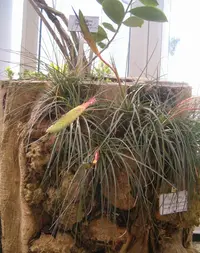
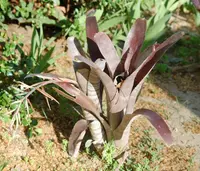
Alcantarea imperialis is a large terrestrial bromeliad native to rocky slopes in southeastern Brazil. It forms a striking, wide rosette of arching, sword-shaped leaves. Mature plants can produce a very tall, architectural flower spike that makes them popular statement plants in warm landscapes and spacious interiors. The foliage may be green, bronze, or reddish, often with a silvery sheen. This species grows slowly but is long-lived and generally resilient once established. It prefers bright light, good air movement, and a free-draining, gritty mix that does not stay soggy. Understanding how to care for Alcantarea imperialis is important because of its size and need for stable, warm conditions.

Main Plant Requirements

Care Difficulty

Moderate Care

Light Preference

Full Sun

Water Requirements

Moderate Water

Temperature Preference

Tropical / Frost Sensitive

Hardiness Zone

10–11

Soil Texture

Sandy, Loamy, Organic-rich

Soil pH

Acidic (5.5–6.5), Slightly acidic (6.5–7.0)

Soil Drainage

Well-drained

Fertilization

Light (every 4–6 weeks)

Get Personalized Care Plan

Scan your plant to receive care tips personalized for your specific plant

Available on iOS and Android

How to Care for the Alcantarea imperialis

This bromeliad prefers bright, open conditions similar to a sunny, frost-free hillside.

  • Provide 4–6 hours of direct morning sun with bright, filtered light or light shade in the hotter afternoon, especially in warm climates.
  • Tolerates light to partial shade, but very dense shade leads to lanky growth and dull foliage color in Alcantarea imperialis.
  • In hot summers, watch for leaf scorch or bleaching on west- or south-facing sites and shift to slightly more shade if leaf tips brown or silver.

Watering should keep the central tank hydrated while avoiding soggy roots.

  • Keep the rosette (tank) 1/2–3/4 full with fresh water and flush it every 2–4 weeks to prevent stagnation and salt buildup.
  • Allow the top 3–5 cm of surrounding soil to dry before watering again; soil should be coarse, fast-draining, and never stay waterlogged.
  • In hot, dry periods, the tank may need topping up every few days, while cool seasons require less; limp, curling leaves suggest thirst, and blackened base tissue suggests overwatering.

This species prefers warm, frost-free conditions with only mild temperature swings.

  • Aim for 65–85°F (18–29°C) for active growth; short spikes to 90–95°F (32–35°C) are tolerated if soil and tank moisture are maintained.
  • Protect from cold below 45°F (7°C); tissue damage and rot risk increase quickly as temperatures approach 32°F (0°C).
  • In regions with cool winters, position in the warmest, most sheltered microclimate outdoors, and avoid exposure to cold, drying winds or sudden temperature drops.

This bromeliad prefers moderate to high humidity but usually adapts to typical indoor air.

  • Aim for 40–60% humidity; it tolerates brief dips lower if not combined with strong, dry drafts.
  • Dry, browning leaf tips or rolled edges indicate humidity stress rather than underwatering.
  • Increase humidity with a nearby pebble tray or grouped plants, but keep Alcantarea imperialis foliage dry from constant misting to reduce rot risk.

Alcantarea imperialis benefits from a loose, fast-draining yet moisture-retentive mix that mimics gritty, organic-rich hillside soils.

  • Use a mix of 40% fine bark, 30% coarse perlite or pumice, and 30% peat or coco coir to balance drainage and moisture.
  • Keep pH slightly acidic to neutral, around 5.5–7.0, avoiding highly alkaline mixes that can limit nutrient uptake.
  • Ensure the mix is airy; chunky bark and coarse particles prevent compaction around the root base and central cup area.
  • Avoid heavy garden soil or potting mixes with large amounts of clay, which hold water around the roots and promote rot.

This species grows well in large, stable containers when its size and weight are considered.

  • Choose a wide, low, heavy pot to counterbalance the tall rosette and prevent tipping in wind or on balconies.
  • Select a container material like ceramic or concrete that adds weight and slows surface drying without keeping the root zone soggy.
  • Raise the pot slightly on feet or spacers so drainage holes clear the surface and water does not pool under the container.

Nutrient needs for Alcantarea imperialis are moderate, but thoughtful feeding supports stronger foliage and flowering.

  • Use a balanced, dilute liquid fertilizer (around 10-10-10 or 20-20-20 at 1/4 strength) during active growth.
  • Feed every 4–6 weeks in spring and summer, applying to the root zone, not into the central tank.
  • In autumn reduce feeding, and in winter stop or feed at most once if growth continues indoors.
  • Organic options like weak compost tea or a light slow-release mix on the pot surface are suitable.

Pruning needs are light and mostly cosmetic for Alcantarea imperialis.

  • Best timing is late winter or early spring, before strong new growth begins.
  • Remove dead, damaged, or diseased leaves at the base with clean, sharp scissors or pruners.
  • Trim spent flower stalks once they dry, which tidies the plant and directs energy to offsets.
  • Avoid cutting healthy central leaves, as this rosette structure is needed for normal growth.

Container-grown Alcantarea imperialis benefits from occasional repotting or careful transplanting to maintain root health.

  • Check for roots circling the pot, pushing out of drainage holes, or slowed growth as signs it needs more space.
  • Plan repotting or transplanting in spring or early summer, every 3–4 years for mature plants.
  • Use a wide, heavy container and a very free-draining mix, then keep roots just slightly covered and the base stable.
  • Handle the root ball gently, keep the central rosette above soil level, and shade the plant for a week to reduce stress.

Propagation of Alcantarea imperialis is most reliable through offsets rather than seed.

  • Allow pups at the base to reach at least 1/3–1/2 the size of the parent before removal.
  • Detach offsets in spring or early summer using a clean, sharp knife, keeping as many roots as possible.
  • Plant pups in a coarse, well-drained medium, keeping the central cup above the mix and slightly moist.
  • Provide bright, indirect light, warm temperatures (70–80°F), and steady but not soggy moisture to support rooting.

This species is tender and needs thoughtful winter care in climates with frost or extended cold.

  • Treat as hardy only in very mild climates; sustained temperatures below 30°F can damage foliage and meristems.
  • Move container plants indoors or into a heated greenhouse before frost, giving them bright, indirect light.
  • Outdoors in mild regions, use a thick mulch layer around the root zone and ensure perfect drainage to avoid rot.

Care Tips

Secure heavy rosettes

As the rosette becomes large and top-heavy, anchor the pot with bricks or stones and, if outdoors, place it in a low-wind position to prevent the plant from tipping or snapping at the base.

Optimize tank hygiene

Every 2–4 weeks, flush the central tank with clean, lukewarm water and then refill, which helps prevent mosquito larvae, algae, and salt buildup in the leaf axils.

Use mineral-aware water

In hard-water areas, alternate tap water with collected rainwater or filtered water to reduce mineral deposits on leaves and in the tank, which helps keep the foliage cleaner and less prone to spotting.

Support offset development

Once pups reach about one-third the size of the mother, cut them away with a sterile knife and pot them individually in slightly smaller, heavy containers to encourage strong root systems and stable growth.

Plan for monocarpic bloom

Since the rosette dies after flowering, allow several offsets to establish around the base before removing the fading mother, so the planting remains full and visually continuous when caring for Alcantarea imperialis over many years.

Common Pests and Diseases

Mealybugs

This pest feeds on leaf bases, the inner tank, and the undersides of leaves, leaving white cottony clusters and sticky honeydew. Symptoms include stunted growth, leaf yellowing, and sooty mold developing on the honeydew deposits.

Solution

Flush the leaf axils and central tank with a strong but gentle stream of water, then dab visible insects with cotton swabs dipped in 70% isopropyl alcohol. For heavier infestations, use a systemic insecticide labeled for ornamental bromeliads or a horticultural oil spray, ensuring good coverage of leaf bases while keeping the plant in bright, indirect light until it dries.

Scale insects

These insects appear as small, hard, shell-like bumps along the leaves and at the base of the rosette, often causing yellow spots and reduced vigor. This pest can be difficult to see at first, as immature stages may blend with the leaf surface.

Solution

Manually remove visible scale with a soft brush or cloth and 70% isopropyl alcohol, focusing on the lower leaf surfaces and crown. Follow with a horticultural oil or insecticidal soap labeled for bromeliads, and repeat treatments every 7–10 days until new growth appears clean; maintain good air circulation to reduce reinfestation when growing Alcantarea imperialis outdoors or indoors.

Bromeliad leaf spot

This disease causes small water-soaked spots that enlarge into brown or tan lesions, often with a yellow halo along the long, arching leaves. Symptoms include cosmetic damage and, in severe cases, premature leaf dieback from the tips toward the base.

Solution

Remove and discard heavily spotted leaves, avoiding contact with healthy foliage, and keep the leaf surfaces as dry as possible by watering into the central cup or soil rather than over the foliage. Improve air circulation, avoid overcrowding, and, if the problem persists, apply a copper-based or broad-spectrum fungicide labeled for ornamental foliage plants according to the product instructions.

Tank water rot

This disease occurs when stagnant water in the central cup stays warm and low in oxygen, leading to bacterial or fungal growth and a foul odor. Symptoms include soft, mushy leaf bases, collapsing inner leaves, and discolored tank water.

Solution

Empty the central cup regularly by tipping the plant, then refill with fresh, clean water, and avoid leaving debris such as dead insects or fallen leaves in the tank. If soft rot is present, remove affected inner leaves, allow the crown area to dry slightly with improved airflow, and treat the tank and crown area with a mild fungicide or bactericide while reducing watering frequency until new, firm growth appears.

Interesting Facts

Giant tank rosette

This bromeliad forms one of the largest rosettes in the family, with leathery leaves that can exceed 1.5 m long and create a deep water-holding tank that supports frogs, insects, and other small organisms in its native Brazilian habitats.

Monocarpic late bloomer

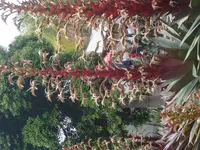
The plant is monocarpic, meaning it flowers only once at the end of its life, often taking more than a decade to build enough resources before sending up a tall, branched inflorescence with hundreds of long-lasting flowers.

Rocky cliff specialist

In the wild, it typically grows on exposed granite outcrops in the Serra dos Órgãos region of Brazil, tolerating intense sun, high rainfall runoff, and limited root anchorage while relying heavily on its leaf tank to capture water and nutrients.

Botan icon

Did you know?

In its native range, the massive leaf tanks of this species can hold several liters of water at a time, effectively functioning as small aquatic microhabitats that increase local biodiversity on otherwise bare rock faces.

FAQs about Alcantarea imperialis

This bromeliad usually flowers only once when fully mature, often after many years. Lack of bloom is typically due to immaturity, insufficient light intensity, poor nutrition, or stress from cold, repotting, or root disturbance.

Grow Healthy Plants with Botan Care

Keep your plants happy and healthy with plant identification, disease detection, and easy care guidance.

Botan plant care app — identify plants on mobile

Explore More Plants