rainforest spinach Care (Elatostema reticulatum)

rainforest spinach

About rainforest spinach

Rainforest spinach, Elatostema reticulatum, is a small, shade-loving tropical plant grown mainly for its textured foliage rather than for eating. It typically forms low, dense clumps with soft, slightly succulent leaves and a compact habit suited to pots and terrariums.

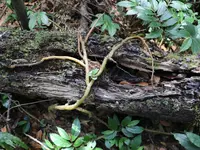
In nature, it occurs on the shaded, humid forest floors and rock faces of Southeast Asian rainforests. Its preference for constant moisture, high humidity, and stable warmth makes it moderately demanding indoors.

Those conditions are key when learning how to care for rainforest spinach. It generally prefers bright, indirect light, evenly moist but well-drained substrate, and good air circulation without strong drafts.

Main Plant Requirements

Care Difficulty

Moderate Care

Light Preference

Bright Indirect Light

Water Requirements

Keep Soil Moist

Temperature Preference

Tropical / Frost Sensitive

Hardiness Zone

11–12

Soil Texture

Loamy, Peaty, Organic-rich

Soil pH

Acidic (5.5–6.5), Slightly acidic (6.5–7.0)

Soil Drainage

Moist but well-drained

Fertilization

Light (every 4–6 weeks)

Get Personalized Care Plan

Scan your plant to receive care tips personalized for your specific plant

Available on iOS and Android

How to Care for the rainforest spinach

Elatostema reticulatum prefers soft, forest-like light conditions rather than direct sun exposure.

  • Provide bright, filtered light or open shade with dappled sun, such as under taller plants or a sheer curtain, aiming for 4–6 hours of indirect light daily.
  • Tolerate only gentle early-morning sun; protect from strong midday and afternoon sun, which can scorch leaves and cause bleaching or crisp brown edges.
  • In darker seasons, move rainforest spinach closer to a bright window or use a low-intensity grow light to prevent leggy, weak growth.

Elatostema reticulatum prefers consistently moist but not waterlogged soil.

  • Water when the top 2–3 cm of soil feel slightly dry, using enough water so it flows through but does not leave the root zone saturated for long.
  • Ensure loose, well-drained, humus-rich soil; yellowing, mushy stems suggest overwatering, while limp, curling leaves and dry edges point to underwatering.
  • Reduce watering slightly in cooler, low-light months as growth slows, but never allow the soil to dry out completely around the fine feeder roots.

This species thrives in stable, warm, frost-free conditions similar to a humid understory forest.

  • Aim for 65–80°F (18–27°C) for best growth; short dips to 60°F (16°C) are usually tolerated if the soil is not waterlogged.
  • Avoid temperatures below 50°F (10°C), as cold stress can cause leaf drop, blackened tissue, and slowed root activity, especially in damp conditions.
  • Protect from hot, dry air above 86°F (30°C); increase humidity and shade, and avoid placing the plant near heaters, cold drafts, or air-conditioning outlets.

This species needs consistently moist air to match its native understory habitat.

  • Aim for 60–80% humidity; growth slows and leaves dull in prolonged air below about 50%.
  • In dry, heated rooms rainforest spinach may curl, crisp at the edges, or develop brown leaf tips from humidity stress.
  • Increase humidity with a pebble tray under the pot, grouping plants closely, or using a small room humidifier near but not blowing directly on foliage.

Elatostema reticulatum prefers a loose, organic, and evenly moist substrate that never stays waterlogged.

  • Use a fine-textured mix of 50–60% peat or coco coir, 20–30% compost, and 20–30% perlite or pumice for structure and air spaces.
  • Aim for slightly acidic to neutral pH around 6.0–7.0, avoiding strongly alkaline mixes that can reduce nutrient availability.
  • Ensure fast drainage by using pots with multiple holes and avoiding dense garden soil, which compacts and suffocates roots.
  • Improve aeration by adding extra perlite or fine bark if the mix feels heavy or stays wet longer than 3–4 days after watering.

This species is well suited to container culture due to its compact, spreading habit.

  • Choose a wide, shallow pot to accommodate its fibrous surface roots and keep the root zone evenly moist without deep soggy pockets.
  • Select plastic or glazed ceramic rather than unglazed terracotta if the environment is dry, to slow evaporation and keep moisture more stable.
  • Place the container on a stable, level surface since the spreading foliage can make the plant side-heavy when soil is moist.

Elatostema reticulatum benefits from light, consistent feeding during active growth rather than heavy doses at long intervals.

  • Use a balanced liquid fertilizer (around 10-10-10 or 20-20-20) diluted to 25–50% strength for caring for rainforest spinach in containers.
  • Feed every 4–6 weeks in spring and summer, applying to moist soil to reduce root burn risk.
  • Skip or halve feeding in autumn and winter when growth noticeably slows indoors.
  • For sensitive plants, replace every second liquid feed with a thin layer of fine compost to support soil biology.

Pruning helps keep Elatostema reticulatum compact, leafy, and free from weak growth.

  • Best time for light shaping is in spring or early summer, once new growth is established.
  • Use clean, sharp scissors to remove dead, yellowing, or damaged stems and leaves at the base.
  • Thin out crowded stems to improve airflow and light penetration, which supports healthier foliage.
  • Pinch back soft stem tips above a leaf node to encourage branching and a denser habit.

This shallow-rooted species prefers gentle handling and modest pot size increases when moved.

  • Check for roots circling the drainage holes, water running straight through, or slowed growth as cues to repot.
  • Plan moves for spring, when active growth allows faster root recovery and adjustment.
  • Repot every 1–2 years into a pot only 2–3 cm wider, using airy, moisture-retentive mix.
  • Water well after shifting, keep out of harsh sun for 1–2 weeks, and maintain steady humidity to limit transplant stress.

New Elatostema reticulatum plants are most often produced from soft stem cuttings or by careful division.

  • Take 5–8 cm softwood cuttings in late spring or early summer, including at least 2 nodes.
  • Remove lower leaves and place the cut base in moist, fine-textured mix under bright, indirect light.
  • Maintain 70–80% humidity with a clear cover and keep the medium just lightly moist, not wet.
  • For division, separate small clumps with roots attached and pot individually, then shade and keep evenly moist.

This tropical species is frost sensitive and needs mild, stable conditions over winter in temperate climates.

  • Keep temperatures above 55°F; exposure near 40°F can damage foliage and slow recovery.
  • Move container plants indoors before the first frost, placing them in bright, indirect light.
  • Reduce watering slightly, allowing the top 1–2 cm of mix to dry before rewatering, but never let it fully dry out.
  • Avoid cold drafts, unheated windowsills, and direct heater airflow, which stress leaves and roots.

Care Tips

Tray-based staging

Group pots on a wide, shallow tray filled with damp expanded clay or pea gravel so the plant benefits from a stable humidity microclimate while keeping the actual root zone well drained and never sitting in water.

Low-heat air movement

Place a small, low-speed fan several feet away to keep gentle air circulation around foliage, which reduces fungal issues on the textured leaves without causing excess evaporation or leaf edge crisping.

Soft foliage cleaning

Use a soft artist brush or microfiber cloth slightly dampened with filtered water to remove dust from the deeply veined leaves every few weeks, which improves light capture and allows early detection of mites or scale insects.

Shaded underplanting use

Position the plant as an underplant beneath taller, non-thirsty shade plants in large containers or terraria to mimic its natural forest-floor niche, making caring for rainforest spinach more stable by buffering light and humidity fluctuations.

Gradual environment shifts

When moving the plant between rooms, seasons, or terrarium and open-air conditions, adjust light and humidity over 7–10 days by slowly opening lids, increasing distance from lights, or relocating in small steps to prevent leaf collapse and stress-induced drop.

Common Pests and Diseases

Spider mites

This pest thrives in warm, dry indoor conditions and can cause stippled, dull leaves and fine webbing on stems and leaf undersides.

Solution

Rinse foliage thoroughly with lukewarm water, then wipe leaves to remove mites and webbing; repeat every few days for 2–3 weeks. Increase humidity to 50–70%, improve air movement, and, if needed, apply insecticidal soap or a neem oil spray, ensuring full coverage of leaf undersides.

Fungus gnats

These insects breed in consistently wet potting mix and the larvae feed on fine roots, leading to slow growth and occasional leaf yellowing or wilting.

Solution

Let the top 2–3 cm of the substrate dry slightly between waterings and remove any decaying plant material from the soil surface. Use yellow sticky traps for adults and drench the potting mix with a biological control such as Bacillus thuringiensis israelensis, or repot into a fresh, airy mix if infestation is heavy.

Leaf spot fungus

This disease produces small, water-soaked or brown spots on the thin leaves, which can merge into larger patches and cause tissue to collapse, especially in still, humid air.

Solution

Remove and discard affected leaves, then improve airflow around the plant while keeping foliage dry during watering. If spots continue to spread, use a copper-based or other houseplant-safe fungicide according to label directions and avoid overhead watering as part of ongoing Elatostema reticulatum plant care.

Botrytis blight

This disease causes soft, grayish lesions on leaves and stems, often accompanied by fuzzy gray mold, particularly in crowded, cool, and humid conditions.

Solution

Promptly remove all affected tissue and any fallen leaves, then space plants to enhance air circulation and reduce ambient humidity around the foliage. Water at the base in the morning, avoid splashing leaves, and if needed, apply a compatible fungicide labeled for Botrytis on ornamental foliage plants.

Interesting Facts

Transparent leaf windows

The leaves have translucent patches between the veins that act like small light windows, helping the plant capture diffuse light on the dim rainforest floor.

Textured veined foliage

Its leaves show a strongly raised, net-like vein pattern, created by thickened vascular tissue that makes the leaf surface look almost three-dimensional.

Moist rock specialist

In the wild it often grows on constantly damp rocks and cliffs along streams, where a thin film of water and high humidity keep its shallow roots supplied with moisture.

FAQs about rainforest spinach

This understory species adapts well to indoor life if given stable warmth, high humidity, and protection from direct sun. It suits shelves, terrariums, and low-light corners, making rainforest spinach indoor care practical for small spaces.

Grow Healthy Plants with Botan Care

Keep your plants happy and healthy with plant identification, disease detection, and easy care guidance.

Botan plant care app — identify plants on mobile

Explore More Plants