


Offset management
Remove and replant offsets once they have at least 3–4 leaves and visible roots, using a clean, sharp knife and allowing the cut surfaces to dry 1–2 days before potting to reduce rot risk and maintain a compact clump.

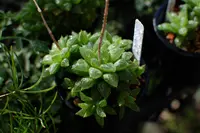
Windowpane haworthia (Haworthia turgida) is a compact, slow-growing succulent known for its rosettes of firm, triangular leaves with translucent “window” tips. These windows allow light deep into the leaf, helping the plant photosynthesize efficiently even in relatively low light. In nature it occurs in rocky areas of South Africa, often tucked between stones or in shallow pockets of gritty soil.
Its small size and shallow root system make it well suited to pots and indoor collections. The plant is generally forgiving, which makes it easy to care for Windowpane Haworthia. It prefers bright, indirect light, a sharply draining succulent mix, and infrequent watering with thorough drying between waterings.

Care Difficulty
Easy Care

Light Preference
Bright Indirect Light

Water Requirements
Low Water

Temperature Preference
Tropical / Frost Sensitive

Hardiness Zone
10–11

Soil Texture
Sandy, Loamy, Rocky

Soil pH
Acidic (5.5–6.5), Slightly acidic (6.5–7.0)

Soil Drainage
Well-drained

Fertilization
Minimal (feed rarely)
Scan your plant to receive care tips personalized for your specific plant
Available on iOS and Android
This compact succulent prefers bright, indirect light with brief gentle sun rather than harsh exposure.
This species stores water in its leaves and prefers thorough but infrequent watering.
This succulent prefers moderate, stable temperatures without frost or extreme heat.
Humidity is rarely a concern for Haworthia turgida when grown indoors in typical household conditions.
Haworthia turgida prefers a very fast-draining, mineral-based substrate that dries quickly between waterings.
This compact succulent is highly suitable for container growing.
This compact succulent has modest feeding needs, so fertilizer supports growth but is not essential for caring for Windowpane Haworthia in low-nutrient soils.
Haworthia turgida needs minimal pruning, mainly for cleanliness and to manage clump shape.
This species prefers slightly tight pots and infrequent disturbance, so repot only when clear signs appear.
Propagation of this species is commonly done to expand a collection or share plants.
This succulent is not frost hardy and needs protection in regions with cold winters.

Plant Health Check
Not sure what's wrong with your plant? Check your plant's health inside the app.
In its native South African range, this species often grows on rocky slopes and cliffs above seasonal streams, where roots anchor in shallow crevices that drain quickly after rain.
The translucent tips on its leaves act as light windows, channeling sunlight deep into the leaf tissues so the plant can photosynthesize even when most of the rosette is shaded or partly buried among rocks.
This species offsets readily, forming dense clumps that help stabilize it on unstable rocky substrates and provide some protection for inner rosettes from sun and desiccation.
Brown leaf tips often result from underwatering, very low humidity, or salt buildup from fertilizer. Entire brown, mushy leaves usually indicate root rot. Check roots, adjust watering, and flush the potting mix if salts accumulate.
Keep your plants happy and healthy with plant identification, disease detection, and easy care guidance.


Fancy-leaf Caladium
Caladium 'Postman Joyner'
Panda Plant
Kalanchoe tomentosa 'Chocolate Soldier'
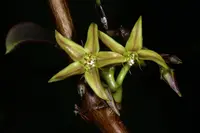
Propeller Vine
Ischnolepis natalensis
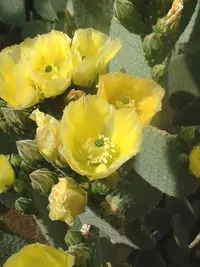
blind pricklypear
Opuntia rufida
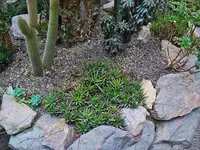
Haworthiopsis attenuata var. radula
Haworthiopsis attenuata var. radula
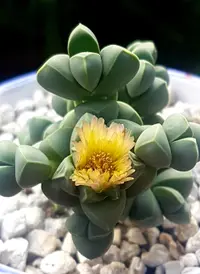
ice plant
Delosperma lehmannii
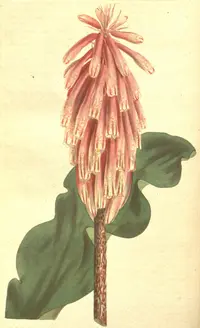
Quarobe
Veltheimia capensis
 POPULAR
Monstera
Monstera deliciosa