


Rotate For Symmetry
Rotate the pot 90° every 2–3 weeks so the rosette develops evenly and does not lean or flatten on the side facing the light source.

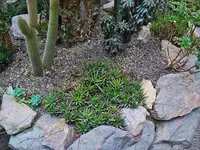
Haworthiopsis attenuata var. radula is a small, slow-growing succulent known for its dense rosettes of narrow, upright leaves covered in rough, white tubercles. This gives the plant a textured, almost sandpapery surface that distinguishes it from smoother zebra haworthia types.
It is native to South Africa, where it grows in rocky, well-drained habitats with strong light and brief rainfall. The plant stays compact, making it suitable for windowsills, desks, and small containers.
This variety is generally forgiving as long as excess moisture is avoided, which makes it practical for beginners learning how to care for Haworthiopsis attenuata var. radula. It prefers bright, indirect light, sparse watering, and a gritty, fast-draining succulent mix.

Care Difficulty
Easy Care

Light Preference
Bright Indirect Light

Water Requirements
Low Water

Temperature Preference
Tropical / Frost Sensitive

Hardiness Zone
10–11

Soil Texture
Sandy, Loamy, Rocky

Soil pH
Slightly acidic (6.5–7.0), Neutral (7.0)

Soil Drainage
Well-drained

Fertilization
Minimal (feed rarely)
Scan your plant to receive care tips personalized for your specific plant
Available on iOS and Android
This compact succulent prefers bright, indirect light with some gentle direct sun each day.
Water sparingly and let the soil dry well between waterings to protect the roots.
This species prefers warm, stable conditions and does not tolerate frost.
This succulent handles typical indoor humidity well and rarely needs adjustments.
This species needs a very fast-draining, mineral-rich mix to prevent root rot.
This species is very suitable for container growing due to its compact root system and rosette form.
This compact succulent has modest nutrient needs but responds well to light feeding during active growth.
Pruning needs are minimal and focus on keeping the rosette clean and healthy.
This slow-growing succulent prefers slightly tight pots and only occasional repotting.
Propagation is most successful through offsets, which the plant produces around the base of mature rosettes.
This succulent is not frost hardy and needs protection in regions with cold winters.

Plant Health Check
Not sure what's wrong with your plant? Check your plant's health inside the app.
This variety has small, firm tubercles that give the leaves a noticeably rough, sandpaper-like feel compared with the smoother, banded leaves of the typical Haworthiopsis attenuata form.
It grows as tight, ground-hugging rosettes that help reduce water loss and protect the growing point from temperature swings in its native Eastern Cape habitats in South Africa.
The plant forms a dense, fibrous root system near the soil surface, an adaptation that allows rapid uptake of brief rainfall in rocky, fast-draining sites.

In habitat, individual clumps of this variety can slowly develop into crowded cushions of many rosettes wedged into rock crevices, with only the leaf tips exposed to full sun while the rest of the plant remains shaded and protected within the rock fissures.
This species grows slowly, typically adding only a few new leaves per year and forming small offsets over time. In good conditions, a plant may take several years to double in size, so patience is important.
Keep your plants happy and healthy with plant identification, disease detection, and easy care guidance.

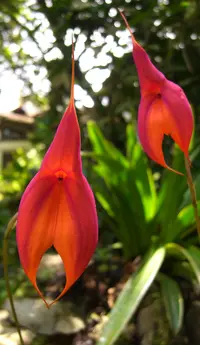
Veitch's Masdevallia
Masdevallia veitchiana
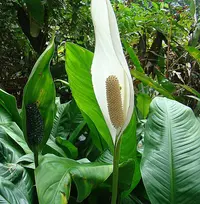
Spathiphyllum friedrichsthalii
Spathiphyllum friedrichsthalii
 POPULAR
String of Fishhooks
Curio radicans

Toumey's century plant
Agave toumeyana
Maxillaria lutescens
Maxillaria lutescens
 POPULAR
Flapjacks plant
Kalanchoe thyrsiflora

Gasteria
Gasteria 'Little Warty'
Crassula obovata
Crassula obovata