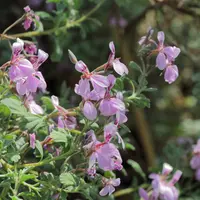
Broadleaf Elatostema Care (Elatostema platyphyllum)

Broadleaf Elatostema

About Broadleaf Elatostema

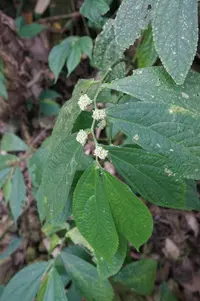
Broadleaf elatostema, Elatostema platyphyllum, is a compact, shade-loving foliage plant valued for its broad, slightly textured green leaves. It typically forms low, dense clumps, giving a soft, layered look that fits well in terrariums or as an understory plant in indoor groupings.

In nature, it occurs on moist, shaded forest floors and rocky stream banks in parts of Asia, where humidity and shelter from direct sun are consistent. These traits mean it prefers stable indoor conditions with filtered light, even moisture, and airy, well-drained substrate.

Its moderate growth rate and preference for steady moisture make it rewarding but slightly sensitive to neglect. Understanding how to care for Broadleaf Elatostema mainly involves avoiding dryness and harsh light.

Main Plant Requirements

Care Difficulty

Moderate Care

Light Preference

Bright Indirect Light

Water Requirements

Keep Soil Moist

Temperature Preference

Tropical / Frost Sensitive

Hardiness Zone

Unknown

Soil Texture

Loamy, Silty, Organic-rich

Soil pH

Acidic (5.5–6.5), Slightly acidic (6.5–7.0)

Soil Drainage

Moist but well-drained

Fertilization

Light (every 4–6 weeks)

Get Personalized Care Plan

Scan your plant to receive care tips personalized for your specific plant

Available on iOS and Android

How to Care for the Broadleaf Elatostema

This shade-loving species prefers soft, filtered light similar to a forest floor environment.

  • Provide bright, indirect light or dappled shade, such as 2–3 hours of gentle morning sun with protection from harsh midday and afternoon sun.
  • Outdoors, place Broadleaf Elatostema under tree canopies, on shaded patios, or on the north or east side of buildings to avoid leaf scorch.
  • If stems stretch or leaves fade, the light is too low; move slightly closer to a bright window or thinner shade, especially in winter.

This plant prefers consistently moist but not waterlogged soil around its shallow roots.

  • Water when the top 1–2 cm of soil feels just barely dry, aiming for evenly damp soil rather than wet pockets or dry swings.
  • Use loose, well-drained soil; excess water should drain within a few seconds to reduce the risk of root rot in Elatostema platyphyllum.
  • In warm growing seasons, watch for drooping or thin, crisp edges as signs of underwatering; yellowing, soft stems, or a sour smell suggest overwatering.

This species thrives in mild, stable temperatures similar to a warm, sheltered understory.

  • Aim for 65–80°F (18–27°C) for active growth, avoiding sudden swings and drafts that can stress leaves and stems.
  • Protect from cold; growth slows below 60°F (16°C) and tissue damage can occur near 40°F (4°C), with frost likely killing exposed parts.
  • In hot spells above 85°F (29°C), move to deeper shade, increase air movement without direct blasts, and monitor soil moisture more closely.

This species prefers consistently moist air, so humidity is an important part of Broadleaf Elatostema indoor care.

  • Aim for 60–80% humidity; prolonged air below 40% often causes leaf edges to brown and curl.
  • Watch for limp, dull leaves and stalled growth as early signs of humidity stress.
  • Increase humidity with a nearby humidifier, grouped plants, or a pebble tray, rather than misting directly onto foliage.

Elatostema platyphyllum grows best in a loose, airy, organic-rich mix that never stays waterlogged.

  • Use a peat- or coco-based potting mix amended with 30–40% perlite and/or fine bark to keep texture light and open.
  • Aim for slightly acidic to neutral pH, roughly 6.0–7.0, which supports nutrient availability for steady leaf growth.
  • Ensure rapid drainage; water should flow through within seconds and the surface should not stay glossy-wet for long.
  • Avoid heavy garden soil, clay-heavy mixes, or pots without drainage, which restrict roots and promote rot.

This plant is well suited to container culture for controlled moisture and root conditions.

  • Choose a wide, shallow pot to suit its surface-rooting habit and reduce unused, soggy lower substrate.
  • Select plastic or glazed ceramic if slower drying is needed, or unglazed clay if the potting mix tends to stay wet.
  • Place the pot in a stable position where the spreading foliage will not be brushed or knocked, which can damage the brittle stems.

Elatostema platyphyllum benefits from light, consistent feeding during the main growing season.

  • Use a balanced liquid fertilizer (around 10-10-10 or similar NPK) at 1/4–1/2 strength every 4–6 weeks in spring and summer.
  • Alternatively, apply a thin layer of fine compost on the soil surface instead of frequent liquid feeding.
  • Avoid heavy or slow-release products that can burn sensitive roots of Broadleaf Elatostema in small pots.
  • In fall and winter, reduce feeding to once in the season or stop entirely, especially in low light.

Elatostema platyphyllum responds well to light structural pruning to maintain a compact, leafy form.

  • Best time for pruning is late winter to early spring, before strong new growth begins.
  • Remove dead, yellowing, or damaged stems at the base using clean, sharp scissors or snips.
  • Thin crowded or overly long shoots to improve airflow and keep the plant low and bushy.
  • Pinch soft tips during the growing season to encourage branching and denser foliage.

This species grows well in containers but prefers gentle, infrequent repotting to avoid root disturbance.

  • Check for roots circling the pot, emerging from drainage holes, or slowed growth as signs it needs more space.
  • Plan to repot every 2–3 years in spring, moving only 1 pot size up with a well-drained, humus-rich mix.
  • Water the plant a day before repotting, handle the root ball carefully, and loosen only lightly compacted outer roots.
  • After repotting, keep the plant in bright, indirect light and slightly moist soil for 1–2 weeks to reduce stress.

Elatostema platyphyllum is most commonly multiplied by stem cuttings taken in the active growing season.

  • Take 6–8 cm softwood cuttings in late spring or summer, including at least 2–3 leaf nodes.
  • Remove lower leaves and insert the cuttings into a moist, fine-textured mix of peat-free potting soil and perlite.
  • Maintain high humidity (for example, a clear cover with ventilation) and stable warmth around 70–75°F for rooting.
  • Once new growth appears and roots are firm, acclimate young plants to normal room humidity and brighter light.

This plant is frost sensitive and needs mild, stable conditions through winter, especially in container culture.

  • In climates with frost, grow in pots and move indoors before temperatures drop below 50°F.
  • Provide cool to mild indoor conditions around 60–70°F with bright, indirect light and no cold drafts.
  • Water less often in winter, allowing the top layer of soil to dry slightly but never fully dry out.
  • For outdoor plants in very mild regions, apply a light organic mulch to buffer root temperature swings.

Care Tips

Shallow, wide pot

Use a wide, shallow container to accommodate the plant’s spreading root system and keep growth dense rather than tall and floppy.

Gradual light shifts

When moving the plant between rooms or seasons, increase light intensity over 7–10 days to avoid leaf scorch and wilting from sudden environmental change.

Targeted pinching

Pinch only the soft stem tips every 3–4 weeks to encourage compact, bushy growth without stressing the plant’s relatively tender stems.

Regular leaf cleaning

Wipe leaves gently with a damp, soft cloth every 2–4 weeks to remove dust so the plant can photosynthesize efficiently in lower indoor light.

Careful repot timing

Repot only when roots are circling the surface or drainage holes and do it in late spring, which reduces transplant shock and supports stable growth when caring for Broadleaf Elatostema.

Common Pests and Diseases

Spider mites

This pest often appears on Elatostema in warm, dry indoor air and causes stippled, faded leaves and fine webbing, especially on the undersides of the broad foliage.

Solution

Rinse leaves thoroughly with lukewarm water, including the undersides, then increase humidity and reduce heat stress; for persistent infestations, use repeated applications of insecticidal soap or a dilute neem oil spray, making sure to coat leaf undersides carefully.

Mealybugs

These insects hide in leaf axils and along stems, sucking sap and leaving cottony white clusters that stunt growth and cause leaf yellowing or distortion.

Solution

Isolate the plant, remove visible clusters with a cotton swab dipped in isopropyl alcohol, then wash the plant with mild soapy water; repeat weekly and inspect new growth closely, using a systemic insecticide only if manual removal and soap treatments do not control the population.

Leaf spot

This disease causes small water-soaked or brown spots on the thin leaves, which can merge into larger lesions and lead to premature leaf drop in overly shaded, constantly damp conditions.

Solution

Remove and discard affected leaves, then improve air movement around the plant and avoid wetting the foliage when watering; if spotting continues, apply a copper- or chlorothalonil-based fungicide labeled for houseplants, following directions carefully and reducing overhead moisture as part of ongoing Elatostema platyphyllum care.

Botrytis blight

This disease develops in cool, humid, stagnant air and produces soft, gray, fuzzy mold on damaged leaves and stems, particularly where old foliage rests against the potting mix.

Solution

Cut away all affected tissue and dispose of it, then lower humidity around the plant temporarily, increase airflow, and avoid crowding; allow the top of the potting mix to dry slightly between waterings and, in severe cases, apply a labeled ornamental fungicide while also correcting moisture and ventilation issues.

Interesting Facts

Moist rock specialist

This species naturally grows on shaded, constantly moist rock faces and stream banks in parts of East Asia, often forming loose mats anchored in tiny crevices rather than typical soil.

Broad, translucent foliage

The unusually wide, thin leaves are slightly translucent and adapted to capture low-intensity, filtered light under dense forest canopies, giving the plant a soft, almost glowing appearance in shade.

Touch-sensitive flower stalks

The delicate inflorescences on slender stalks can be damaged easily by physical disturbance, so in nature the plant tends to occupy sheltered microhabitats protected from strong water flow and falling debris.

FAQs about Broadleaf Elatostema

This species generally performs better indoors or in protected, shaded outdoor spots. It dislikes direct sun, wind, and temperature swings. Indoors, stable humidity and gentle airflow usually provide more consistent conditions than exposed garden beds or balconies.

Grow Healthy Plants with Botan Care

Keep your plants happy and healthy with plant identification, disease detection, and easy care guidance.

Botan plant care app — identify plants on mobile

Explore More Plants