


Low pot profile
Use a wide, shallow pot rather than a deep one to encourage lateral spread of the creeping stems and keep the root zone evenly aerated as the plant matures.

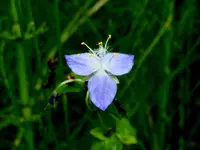
Elasis guatemalensis is a small, spreading perennial from Central America, often grown as a groundcover or trailing houseplant. It belongs to the spiderwort family (Commelinaceae).
The plant forms low, mat-like clumps with narrow leaves that can show soft purple tones on the undersides and along the stems. Small, delicate flowers may appear, but the foliage is usually the main ornamental feature.
In nature, it grows in warm, humid, partially shaded habitats, which explains its preference for moderate light, regular moisture, and well-drained, lightly fertile soil indoors. Its forgiving growth habit and ability to recover from light stress make it relatively easy to care for Elasis guatemalensis for most home growers.

Care Difficulty
Moderate Care

Light Preference
Bright Indirect Light

Water Requirements
Keep Soil Moist

Temperature Preference
Tropical / Frost Sensitive

Hardiness Zone
11–12

Soil Texture
Loamy, Peaty, Organic-rich

Soil pH
Acidic (5.5–6.5), Slightly acidic (6.5–7.0)

Soil Drainage
Moist but well-drained

Fertilization
Light (every 4–6 weeks)
Scan your plant to receive care tips personalized for your specific plant
Available on iOS and Android
This species thrives in bright, indirect light similar to dappled understory sunlight.
This plant prefers evenly moist, well-drained soil without prolonged dryness or saturation.
This tropical groundcover favors consistently warm, frost-free conditions for stable growth.
This species prefers moderately humid air and reacts quickly to very dry conditions.
Elasis guatemalensis grows best in a light, airy mix that drains freely but holds steady moisture.
This compact species is well suited to container growing.
This species grows moderately well in average potting mix but responds to light feeding during the active season.
Light pruning helps keep this small trailing plant dense and tidy indoors.
This compact plant adapts well to containers and only needs repotting when clearly rootbound.
This plant is commonly multiplied by stem cuttings or division to maintain identical new plants.
As a tropical species, this plant is sensitive to cold and requires indoor protection in regions with frost.

Plant Health Check
Not sure what's wrong with your plant? Check your plant's health inside the app.
This species forms low, creeping mats with slender, jointed stems that root as they touch the substrate, allowing it to slowly carpet the soil surface in suitable conditions.
Its lance-shaped leaves often show a purplish tone on the underside, which helps moderate excess light by absorbing different wavelengths compared to the green upper surface.
The plant produces small, delicate, 3-petaled pink to lilac flowers typical of the Commelinaceae family, usually held close to the foliage and opening in good light and warmth.
This species performs well both indoors and outdoors in mild, frost-free climates. Indoors it stays more compact and tidy. Outdoors in warm regions it often grows faster and spreads more, provided it is protected from harsh sun and cold.
Keep your plants happy and healthy with plant identification, disease detection, and easy care guidance.

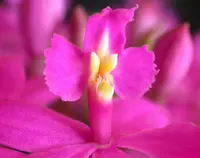
Epidendrum denticulatum
Epidendrum denticulatum
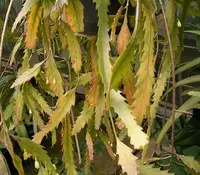
Snowdrop Cactus
Lepismium houlletianum
 POPULAR
Blue star fern
Phlebodium aureum
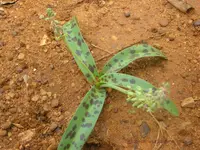
common African hyacinth
Ledebouria revoluta
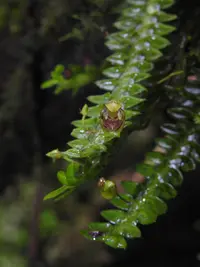
Dichaea neglecta
Dichaea neglecta
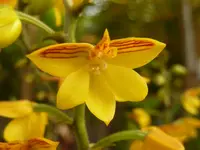
Hairy-lipped Polystachya
Polystachya pubescens

Jewel Alocasia
Alocasia baginda 'Dragon Scale'
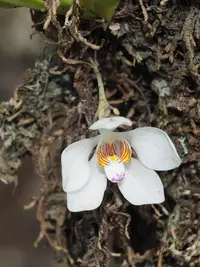
Orange blossom orchid
Sarcochilus falcatus