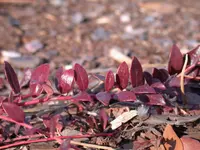
Rock crevice planting
Place plants into gaps between rocks or in a sharply sloped rock garden so excess water drains quickly and the woody cushion form develops dense, compact growth.

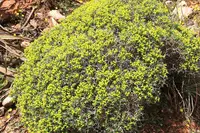
Greek spiny spurge (Euphorbia acanthothamnos) is a small, densely branched shrub adapted to hot, dry, rocky slopes in the eastern Mediterranean. It forms compact, thorny cushions with tiny leaves and produces small, yellow-green flowers in spring.
The plant is naturally found in Greece and nearby regions, where it endures intense sun, wind, and poor, stony soils. Its drought tolerance and slow, compact growth habit make it interesting for rock gardens and dry, low-maintenance plantings, but it can be challenging outside similar climates.
Those who want to learn how to care for Greek spiny spurge should know it prefers strong light, sharp drainage, and minimal moisture, especially in cool conditions.

Care Difficulty
Moderate Care

Light Preference
Full Sun

Water Requirements
Low Water

Temperature Preference
Warm Climate

Hardiness Zone
8–10

Soil Texture
Sandy, Rocky, Loamy

Soil pH
Slightly acidic (6.5–7.0), Slightly alkaline (7.0–7.5)

Soil Drainage
Well-drained

Fertilization
Minimal (feed rarely)
Scan your plant to receive care tips personalized for your specific plant
Available on iOS and Android
This sun-loving shrub thrives in exposed, rocky sites with strong light.
This drought-adapted shrub needs infrequent, careful watering to stay healthy.
This Mediterranean species is adapted to hot, dry summers and cool, relatively mild winters.
This drought-adapted shrub tolerates dry indoor air and rarely needs special humidity management.
This species needs very fast-draining, mineral-rich soil that mimics rocky, arid habitats.
This species can adapt well to container growing when drainage and stability are carefully managed.
This drought-adapted shrub needs minimal feeding, so keep nutrition light and infrequent.
Pruning needs are low and focus mainly on safety and plant health.
This species is best left undisturbed and is more often transplanted young than repotted repeatedly.
Propagation of this spiny Euphorbia is possible but slow and somewhat specialized.
This Mediterranean shrub is quite cold hardy when established and usually needs little winter care in mild regions.

Plant Health Check
Not sure what's wrong with your plant? Check your plant's health inside the app.
This species forms very dense, low, dome-shaped cushions armed with sharp spines, an adaptation that protects its shoots from grazing animals and reduces moisture loss in its harsh Mediterranean mountain habitats.
It is native to rocky limestone slopes and exposed ridges in Greece and some surrounding areas, often growing at relatively high elevations where it tolerates intense sun, strong winds, and poor, shallow soils.
Like other spurges, it exudes a white, milky latex when cut or damaged, which contains irritant compounds that deter herbivores and can cause strong skin and eye irritation in humans.
Growth is slow. New plants usually add only a few centimeters per year, often needing 5–10 years to form a dense, rounded cushion. Shallow, rocky soil and strong sun further limit size, which suits low-maintenance rock gardens.
Keep your plants happy and healthy with plant identification, disease detection, and easy care guidance.