Wind-shaping early
In the first 2–3 years, lightly stake and loosely tie young shoots on windy sites so the plant develops a straight, well-anchored framework rather than leaning or twisting over time.

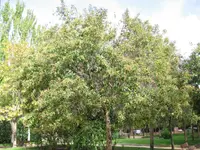
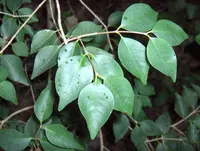
Japanese privet, Ligustrum japonicum, is an evergreen shrub or small tree often used for hedges, screens, and topiary in gardens and landscapes. It has dense, glossy dark green leaves and can form a compact, formal shape under regular pruning.
The species is native to Japan and eastern Asia but is widely planted in warmer regions, especially in urban and suburban settings. It grows quickly and tolerates pruning, pollution, and varied soil types, which makes it relatively easy to manage.
Understanding how to care for Japanese privet starts with knowing it prefers full sun to light shade, moderate moisture, and well-drained soil.

Care Difficulty
Easy Care

Light Preference
Full Sun

Water Requirements
Moderate Water

Temperature Preference
Cold Hardy

Hardiness Zone
7–11

Soil Texture
Sandy, Loamy, Clay

Soil pH
Slightly acidic (6.5–7.0), Slightly alkaline (7.0–7.5)

Soil Drainage
Well-drained

Fertilization
Minimal (feed rarely)
Scan your plant to receive care tips personalized for your specific plant
Available on iOS and Android
This shrub prefers bright outdoor conditions with a balance of sun and light shade for dense foliage.
Watering should support steady growth while preventing prolonged soggy soil around the root zone.
This species is a hardy outdoor shrub that tolerates a wide temperature range once established.
Ligustrum japonicum tolerates a wide humidity range and rarely needs special humidity management indoors or outdoors.
Ligustrum japonicum prefers loose, well-drained mineral soil with moderate organic matter and stable structure.
This species is well suited to container growing for patios, entrances, and small gardens.
This shrub responds well to moderate feeding but does not need heavy fertilization for healthy growth.
Pruning helps Ligustrum japonicum maintain a dense structure, desired size, and good health.
This shrub is more often transplanted in the landscape than kept in long-term containers.
Ligustrum japonicum is commonly propagated from semi-hardwood cuttings for uniform plants.
Established plants are generally cold hardy in suitable climates and need only minimal winter care.

Plant Health Check
Not sure what's wrong with your plant? Check your plant's health inside the app.
This species is naturally adapted to mild coastal climates in Japan and Korea, where its thick, glossy leaves tolerate salt-laden winds better than many other broadleaf evergreens.
The small white spring flowers are strongly scented and rich in nectar, attracting bees and other pollinators even in dense urban plantings.
After flowering, it produces clusters of black drupes that birds readily eat and disperse, which contributes to its escape from cultivation and invasive behavior in parts of the southeastern United States.

Japanese privet was widely promoted in the 20th century as a low-maintenance hedging shrub in warm-temperate regions, and its popularity in landscaping significantly contributed to its current status as an invasive woody species in several US states.
Yellowing leaves often result from water stress, poor drainage, or nutrient deficiency, especially nitrogen or iron. Check soil moisture, improve drainage, and consider a balanced, slow-release fertilizer after confirming the problem is not root rot or pests.
Keep your plants happy and healthy with plant identification, disease detection, and easy care guidance.