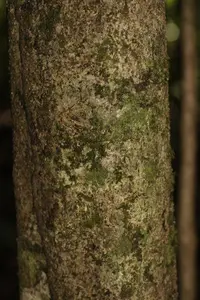
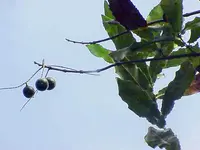
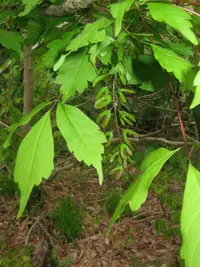
Pong Pong Care (Cerbera odollam)

Also known as: Suicide tree
Pong Pong

About Pong Pong

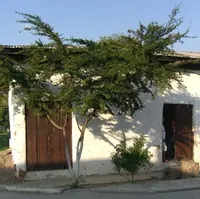
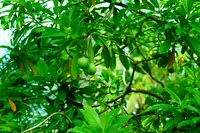
Pong Pong, or Cerbera odollam, is a small to medium evergreen tree known for its glossy leaves and rounded, green to yellow fruit. It has a neat, upright growth habit and produces white, fragrant flowers that stand out against the dense foliage.

This species naturally occurs in coastal wetlands, riverbanks, and sandy soils across South and Southeast Asia. It is adapted to warm, humid climates and does not tolerate frost.

Because it prefers bright light, consistent warmth, and moist but well-drained soil, it can be challenging outside tropical or subtropical regions. Anyone who wants to care for Pong Pong should understand its strict climate and safety requirements before planting.

Main Plant Requirements

Care Difficulty

Hard Care

Light Preference

Full Sun

Water Requirements

Regular Water

Temperature Preference

Tropical / Frost Sensitive

Hardiness Zone

11–12

Soil Texture

Sandy, Loamy, Organic-rich

Soil pH

Acidic (5.5–6.5), Slightly acidic (6.5–7.0)

Soil Drainage

Moist but well-drained

Fertilization

Minimal (feed rarely)

Get Personalized Care Plan

Scan your plant to receive care tips personalized for your specific plant

Available on iOS and Android

How to Care for the Pong Pong

Cerbera odollam is a tropical tree that needs strong light yet benefits from some protection from intense midday sun.

  • Provide 6–8 hours of sun daily, ideally with morning sun and light afternoon shade, especially in hot, low-latitude climates.
  • Young Pong Pong trees handle partial shade, but dense shade leads to slow growth, sparse branching, and reduced flowering.
  • In summer, shield from harsh reflected heat; in cooler seasons, allow more direct sun to maintain compact growth and healthy leaf color.

This coastal species prefers evenly moist but well-drained soil and does not tolerate prolonged waterlogging.

  • Water when the top 3–5 cm of soil feels dry, allowing deeper soil to stay slightly moist rather than fully drying out.
  • Use free-draining, sandy or loamy soil so excess water escapes; standing water around roots increases risk of rot and leaf yellowing.
  • In hotter months, expect faster drying and more frequent watering; in cooler or rainy seasons, reduce watering to prevent root problems in Cerbera odollam.

This tropical tree thrives in warm, frost-free conditions and is highly sensitive to cold extremes.

  • Aim for 70–90°F (21–32°C) for active growth, similar to coastal tropical climates where the species is native.
  • Avoid temperatures below 55°F (13°C); brief drops near 40°F (4°C) can cause leaf damage, and any frost can kill young trees.
  • Mature trees tolerate short heat spikes up to about 100°F (38°C) if soil moisture is stable, but prolonged hot, dry winds can scorch foliage.

This species prefers moderately humid air but adapts to a range of household conditions.

  • Aim for 50–70% humidity to mimic its native coastal-tropical habitat when caring for Pong Pong.
  • It tolerates brief drier air, but prolonged humidity below 40% can slow growth and increase leaf edge browning.
  • Increase humidity with a nearby humidifier, grouped plants, or a pebble tray, rather than misting leaves directly.

Cerbera odollam needs sharply draining, slightly acidic to neutral soil to prevent persistent root wetness.

  • Use a sandy-loam mix with 40–50% mineral content (coarse sand or fine grit) and 50–60% organic matter such as composted bark.
  • Ensure very rapid drainage; incorporate perlite or pumice at 20–30% of the mix to keep pore spaces open and aerated.
  • Target pH around 6.0–7.0; avoid strongly alkaline substrates that can lock out nutrients and cause chlorosis (yellowing leaves).
  • Avoid compacted, heavy clay or peat-only mixes that hold water for many hours, as these encourage root rot in this species.

This species can be grown in containers if the pot is stable and allows fast drainage.

  • Choose a deep, heavy container that resists tipping as the woody trunk and canopy gain height and wind leverage.
  • Select pots with multiple unobstructed drainage holes so water exits within seconds after thorough watering.
  • Use a slightly wider-than-rootball pot to limit excess retained moisture while still allowing lateral root spread.

Cerbera odollam benefits from light, measured feeding when grown in containers or nutrient-poor soils.

  • Use a balanced slow-release fertilizer or diluted liquid feed (about 1/2 strength) with an even NPK during active growth.
  • Apply every 4–6 weeks in spring and summer for potted Pong Pong, skipping doses if growth is strong and foliage deep green.
  • Reduce feeding to once in late autumn only if the plant is still growing, and avoid fertilizing in winter dormancy or cool conditions.
  • Supplement with a thin layer of well-rotted compost on the soil surface once a year to maintain organic matter.

Pruning Cerbera odollam is mainly done to maintain structure, safety, and plant health.

  • Carry out light structural pruning in late winter or early spring before vigorous new growth starts.
  • Remove dead, diseased, crossing, or storm-damaged branches using clean, sharp bypass pruners or a handsaw.
  • Thin congested interior branches selectively to improve airflow and light penetration, encouraging a balanced crown.
  • Limit heading cuts; instead, shorten long shoots to lateral branches to guide shape without stimulating weak, dense regrowth.

This species is usually grown in the ground, so focus on careful transplanting rather than frequent repotting.

  • Transplant young trees at the start of the rainy season or in mild spring conditions to reduce water stress.
  • Look for signs such as roots circling the pot, cracking containers, or stalled growth to decide when to shift plants from nursery bags.
  • Move into a hole or container only 1–2 sizes larger, keeping the root ball intact and at the same soil depth as before.
  • Water deeply after transplanting, shade lightly for 1–2 weeks, and avoid heavy pruning at the same time to limit shock.

Propagation of Cerbera odollam is typically done by seed and is considered specialized due to toxicity and growth habits.

  • Collect fully mature, naturally fallen fruits; remove and clean seeds while using gloves and avoiding skin contact.
  • Sow fresh seeds in a well-drained, sandy mix in warm conditions around 75–85°F, as germination declines with age.
  • Keep the medium evenly moist but not waterlogged, and provide bright, indirect light to reduce fungal problems.
  • Stem cuttings may root in warm, humid propagation chambers, but success rates are variable and often lower than from seed.

This tropical tree is highly frost-sensitive and needs protection in climates with cool or freezing winters.

  • Grow in-ground only in frost-free zones; elsewhere, keep it in large containers that can be moved under cover.
  • Before temperatures approach 40°F, move container plants indoors or into a heated greenhouse with bright light.
  • Maintain indoor temperatures above 55°F and avoid cold drafts, which can cause leaf drop and root stress.
  • In marginal climates outdoors, insulate the root zone with a 5–8 cm mulch layer, keeping it slightly away from the trunk.

Care Tips

Root-zone containment

Grow plants in heavy, non-porous containers or install a robust root barrier in the ground to limit aggressive root spread and protect nearby structures and pipes.

Safe handling routine

Always use gloves and avoid touching your face when pruning or handling sap, then wash tools and hands thoroughly to reduce exposure to the highly toxic latex and seeds.

Wind and stake management

In windy sites, use low, wide staking or discreet guy lines for young trees so the flexible trunk can move slightly while the root system establishes without toppling.

Fruit drop control

Regularly collect and safely dispose of fallen fruits and seeds in sealed bags to reduce accidental poisoning risk to children, pets, and wildlife when caring for Pong Pong.

Salinity and coastal siting

In coastal areas, position plants where they receive some shelter from direct salt spray, and flush the soil occasionally with fresh water if irrigating with slightly saline sources to prevent salt accumulation stress.

Common Pests and Diseases

Mealybugs

This pest often clusters on young stems, leaf nodes, and the undersides of leaves, feeding on sap and excreting sticky honeydew that encourages sooty mold. Symptoms include distorted new growth, a weak overall appearance, and white cottony masses on the plant.

Solution

Remove heavily infested shoots and wipe accessible insects with cotton pads dipped in 70% isopropyl alcohol or a mild insecticidal soap solution. For outdoor trees, encourage natural predators such as lady beetles and increase monitoring; repeat targeted treatments every 7–10 days until no new insects appear.

Scale insects

These insects attach firmly to stems and leaf midribs, appearing as small brown or gray bumps that suck plant sap and may cause yellowing foliage and dieback of twigs. Symptoms include sticky honeydew on leaves and beneath the plant, sometimes followed by black sooty mold growth.

Solution

Gently scrape or rub off individual scales on young ornamental plants, then treat remaining colonies with horticultural oil applied thoroughly to stems and leaf undersides. Improve light and airflow around the plant and inspect regularly, as young crawler stages are easier to control with repeat oil or soap sprays.

Leaf spot

This disease typically presents as brown to dark purple spots on leaves, sometimes with yellow halos, caused mainly by fungal or bacterial pathogens in warm, humid conditions. Symptoms include premature leaf drop and a generally thinned canopy if infections are severe or recurrent.

Solution

Remove and discard affected leaves from the plant and ground to reduce inoculum, then keep foliage as dry as possible by watering at soil level and avoiding overhead irrigation. For high-value ornamental specimens, apply a suitable broad-spectrum fungicide according to label directions during humid periods and maintain good spacing and airflow around the plant.

Sooty mold

This disease appears as a black, powdery to crusty coating on leaves and stems, growing on honeydew produced by sap-feeding insects such as scale or mealybugs. Symptoms include reduced photosynthesis, dull or blackened foliage, and sometimes leaf drop if coverage is heavy.

Solution

First control the underlying insect source with targeted treatments such as insecticidal soap or horticultural oil, then gently wash affected foliage with lukewarm water and a mild, non-detergent soap solution to remove the fungal coating. Improve light exposure and airflow to help leaves dry faster and reduce recurrence as part of broader Cerbera odollam care instructions.

Interesting Facts

Highly toxic cardenolides

This species contains potent cardenolide cardiac glycosides in its seeds and milky latex, which can disrupt heart rhythm by inhibiting the sodium–potassium pump in cardiac cells.

Mangrove-edge specialist

It naturally grows along brackish coastal wetlands and estuaries in South and Southeast Asia, tolerating saline, periodically flooded soils where many other tree species cannot survive.

Buoyant seed dispersal

Its large, fibrous fruits can float for long distances in seawater, allowing seeds to disperse along coastlines and colonize new shore areas.

Botan icon

Did you know?

In several regions of South and Southeast Asia, this tree has been documented in forensic case reports because its seeds have been deliberately used as a discreet homicidal poison, leading to its reputation in the toxicology literature as the so-called suicide tree.

FAQs about Pong Pong

All parts of this species contain potent cardiac glycosides that can disrupt heart rhythm. Ingestion is highly dangerous for humans, pets, and livestock. Keep it out of reach, avoid burning the wood, and wear gloves when handling sap or seeds.

Grow Healthy Plants with Botan Care

Keep your plants happy and healthy with plant identification, disease detection, and easy care guidance.

Botan plant care app — identify plants on mobile

Explore More Plants