Gomesa bifolia Care

Gomesa bifolia

About Gomesa bifolia

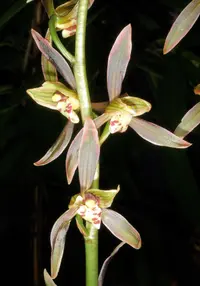
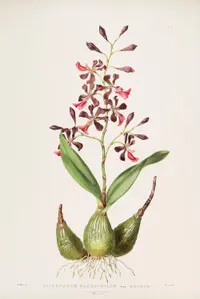
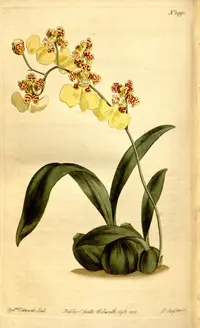
Gomesa bifolia is a small epiphytic orchid, typically growing on trees rather than in soil. It forms compact clumps with slender pseudobulbs and narrow leaves. The plant produces delicate sprays of small, usually yellowish flowers that give a light, airy appearance. Blooms are often numerous and can create an attractive display on a relatively small plant.

This orchid is native to parts of South America, where it grows in warm to intermediate, humid forests with good air movement. Its epiphytic habit and fine roots mean it prefers airy, fast-draining substrates and consistent, moderate moisture. Light, humidity, and ventilation are the main factors that influence how easy it is to care for Gomesa bifolia.

Main Plant Requirements

Care Difficulty

Hard Care

Light Preference

Partial Shade

Water Requirements

Regular Water

Temperature Preference

Tropical / Frost Sensitive

Hardiness Zone

Unknown

Soil Texture

Organic-rich, Loamy, Peaty

Soil pH

Acidic (5.5–6.5)

Soil Drainage

Moist but well-drained

Fertilization

Light (every 4–6 weeks)

Get Personalized Care Plan

Scan your plant to receive care tips personalized for your specific plant

Available on iOS and Android

How to Care for the Gomesa bifolia

This orchid prefers bright, filtered light that mimics dappled forest conditions.

  • Provide 6–8 hours of bright, indirect light daily, such as under 30–50% shade cloth or beneath high, open tree canopies.
  • Allow gentle early morning sun but protect Gomesa bifolia from harsh midday and afternoon sun, which can scorch leaves and cause yellow patches.
  • In winter, move plants to slightly brighter spots to compensate for shorter days, but maintain protection from direct midday rays to avoid leaf stress.

This species prefers evenly moist conditions with brief drying at the surface between waterings.

  • Water when the top 2–3 cm of the medium feels just dry, using thorough irrigation that drains completely to avoid standing water around the roots.
  • Increase watering frequency in active growth and warmer months, then reduce slightly in cooler periods while never allowing the medium to dry out hard.
  • Watch for wrinkling pseudobulbs or limp leaves as signs of underwatering, and for blackened, soft roots or a sour smell as indicators of overwatering and poor drainage.

This orchid grows best in intermediate temperatures with mild seasonal variation.

  • Aim for 65–80°F (18–27°C) during active growth, as steady intermediate warmth supports root activity and flowering.
  • Protect plants from cold below 50°F (10°C); brief dips to 45°F (7°C) may be tolerated but repeated exposure increases risk of tissue damage.
  • In hot spells above 85°F (29°C), provide extra shade and air movement to prevent heat stress, and avoid any exposure to frost, which can rapidly kill foliage and buds.

This orchid prefers moderately high, stable humidity to maintain healthy foliage and roots.

  • Aim for 50–70% humidity, as very dry indoor air leads to shriveled pseudobulbs and dull, pleated leaves in Gomesa bifolia.
  • Dry tips on new growth and buds blasting before opening usually indicate humidity stress rather than watering issues.
  • Increase humidity with a pebble tray under the pot, grouping plants together, or using a small room humidifier near the plant.

This epiphytic orchid needs a loose, airy medium that drains rapidly yet retains light, even moisture around the roots.

  • Use a mix of medium orchid bark, fine bark, and a small amount of sphagnum moss for moisture retention, plus perlite for added air spaces.
  • Ensure the medium drains freely within seconds; water should not pool or leave the mix soggy after watering.
  • Keep pH slightly acidic to neutral, around 5.5–7.0, which supports nutrient uptake and healthy root growth in Gomesa bifolia.
  • Avoid dense, peat-heavy potting soil or garden soil, which compacts around roots, reduces oxygen, and encourages rot.

This species is well suited to container growing when mounted-like conditions are simulated in a pot or basket.

  • Choose a slatted basket or pot with many side openings so air reaches the roots, preventing them from staying wet for long periods.
  • Use a relatively shallow but wide container to spread the root system and allow the pseudobulbs to develop without crowding the center.
  • Select a plastic pot if extra moisture retention is needed, or clay if faster drying is desired in a humid growing area.

This orchid benefits from light, balanced feeding during active growth but is sensitive to excess salts.

  • Use a balanced orchid fertilizer (for example 20-20-20) at 1/4–1/2 strength to support Gomesa bifolia during spring–summer growth.
  • Apply every 2–3 weeks when producing new roots and pseudobulbs, flushing the pot with plain water monthly to avoid salt buildup.
  • Switch to a low-nitrogen bloom formula when spikes appear to encourage flowering rather than soft, leafy growth.
  • Reduce feeding to once a month or stop entirely in autumn–winter if growth slows, resuming diluted fertilizer when new shoots emerge.

This orchid needs only light, targeted pruning to stay healthy and tidy.

  • Trim spent flower spikes of Gomesa bifolia back to the base once they dry and turn brown, using clean, sharp scissors or pruning snips.
  • Remove dead, yellowed, or diseased leaves at their base to improve airflow and reduce fungal problems.
  • Cut away dried or rotted roots during repotting, sterilizing tools between cuts to limit pathogen spread.
  • Avoid cutting green pseudobulbs, as these store water and nutrients and support future growth and flowering.

This orchid prefers slightly tight conditions but benefits from periodic repotting into fresh, airy media.

  • Repot Gomesa bifolia every 2–3 years or when roots circle the pot, medium breaks down, or growth becomes stunted.
  • Plan repotting just after flowering, as new root tips start, to help the plant establish quickly with minimal stress.
  • Gently remove old bark, trim dead roots, and place the plant so new growth faces into open space in the pot.
  • Use a fine to medium orchid bark mix, keep roots evenly moist but not soggy, and maintain high humidity for 1–2 weeks after repotting.

This orchid is usually propagated by division rather than from seed in home conditions.

  • Divide Gomesa bifolia during spring, just before or as new roots emerge, to give each division time to establish.
  • Remove the plant from its pot, shake off old medium, and gently separate the rhizome into sections with at least 3–4 healthy pseudobulbs each.
  • Dust cut surfaces with a fungicidal powder or ground cinnamon, then pot divisions into fresh, fine to medium orchid bark.
  • Maintain bright, indirect light, high humidity, and slightly warmer temperatures until new roots and shoots show stable growth.

This orchid dislikes frost and needs mild, protected conditions in winter.

  • Treat Gomesa bifolia as frost sensitive; aim to keep temperatures above 50–55°F indoors or in a heated greenhouse.
  • Move container plants inside before nights drop below 50°F, placing them in bright, indirect light away from cold drafts.
  • Maintain slightly drier media in winter, letting the top layer almost dry between waterings while avoiding complete desiccation.
  • Avoid direct contact with icy windows and sudden temperature swings, which can damage leaves and flower buds.

Care Tips

Mounting technique

Grow this species on cork or hardwood bark with a thin pad of long-fiber sphagnum around the roots so water drains rapidly while roots still retain brief moisture contact, which closely mimics its natural epiphytic habit.

Watering schedule cue

In warm seasons, time irrigation by feeling the exposed roots and mount surface, watering thoroughly as soon as they turn pale and dry to the touch instead of following a fixed calendar, which reduces both rot and desiccation risk.

Air movement management

Position a small oscillating fan to create gentle, constant air movement across the foliage and roots, as this strongly reduces fungal spotting and helps thin roots dry evenly after each watering.

Fertilizer flush routine

Once every 3–4 weeks, rinse the mount or pot thoroughly with plain water until it runs clear to remove accumulated fertilizer salts that can burn the fine roots of this orchid.

Seasonal rest adjustment

In late autumn, reduce fertilizer strength, extend the interval between waterings slightly, and allow cooler nights to provide a mild rest period, then gradually resume stronger feeding and more frequent watering as new root tips and growths appear, which supports balanced Gomesa bifolia care.

Common Pests and Diseases

Scale insects

These insects feed on sap along pseudobulbs, leaves, and flower spikes, often forming brown or whitish bumps and causing yellowing and weakening of the plant.

Solution

Remove visible scales with a cotton swab dipped in isopropyl alcohol, then wash the plant gently and improve air movement; for larger infestations, use a horticultural oil or insecticidal soap, repeating treatments every 7–10 days until new growth is clean.

Spider mites

These pests thrive on Gomesa foliage in warm, dry conditions, causing stippled, dull leaves and fine webbing on the undersides.

Solution

Rinse foliage thoroughly with lukewarm water, including leaf undersides, then maintain higher humidity (50–70%) and good air circulation; if activity persists, apply insecticidal soap or a neem-based product, repeating at short intervals to break the life cycle.

Bacterial brown spot

This disease produces water-soaked patches on leaves that quickly turn brown or black with yellow halos, especially when foliage stays wet and air is stagnant.

Solution

Remove and discard affected leaves with sterilized tools, keep foliage dry by watering early in the day at the base, and increase airflow; in collections with repeated issues, use a labeled copper-based bactericide carefully and avoid overhead misting on cool nights.

Fungal leaf spot

Symptoms include small, round to irregular dark spots on leaves that may merge and cause tissue collapse under cool, damp, low-light conditions.

Solution

Prune out affected leaf areas, space plants to improve air circulation, and allow the medium to dry slightly between waterings; if spots continue to spread, apply a systemic fungicide labeled for orchids and avoid water sitting on leaves for extended periods.

Orchid aphids

These insects cluster on young growth and emerging flower spikes, sucking sap and excreting sticky honeydew that can lead to sooty mold on Gomesa bifolia plant care surfaces.

Solution

Dislodge aphids with a firm stream of water and remove heavily infested spikes if needed; follow with targeted treatments using insecticidal soap or a gentle neem-based spray, repeating every few days until new growth appears clean and beneficial insects can keep populations low.

Interesting Facts

Atlantic Forest specialist

This orchid is native to the Brazilian Atlantic Forest, where it grows as an epiphyte on trees in humid, seasonal forests rather than on rocks or in soil.

Minute and fragrant flowers

The species produces many small yellow and brown flowers on branched sprays, and in habitat the blooms are reported to have a light fragrance that helps attract small insect pollinators.

Seasonal growth rhythm

Gomesa bifolia forms clustered pseudobulbs that tend to produce new growth and spikes after a relatively drier rest period in its native climate, reflecting adaptation to seasonal rainfall patterns.

FAQs about Gomesa bifolia

Lack of flowering usually comes from insufficient light, too-warm nights, or skipping a slight winter rest. Provide bright, filtered light, cooler nights around 55–60°F, and avoid repotting or dividing right before the expected blooming period.

Grow Healthy Plants with Botan Care

Keep your plants happy and healthy with plant identification, disease detection, and easy care guidance.

Botan plant care app — identify plants on mobile

Explore More Plants