Rotate For Symmetry
Turn the pot 90° every 2–3 weeks so all sides receive similar light, which keeps the rosette compact and prevents the stems from leaning or stretching toward one direction.

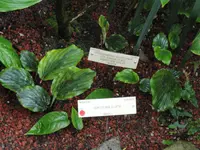
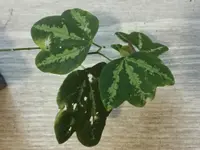
Dorstenia elata is a small, unusual succulent from the fig family, valued for its flat, star-shaped flower structures and compact growth. It typically forms a low, slightly woody base (caudex) with upright, soft green leaves.
This species is native to the Atlantic Forest regions of Brazil, where it grows in warm, shaded, and humid understories. Its slow, compact habit and modest size make it suitable for containers and indoor collections.
Dorstenia elata generally prefers bright, indirect light, evenly moist but not waterlogged soil, and good drainage. With stable warmth and protection from strong sun, it is relatively straightforward to care for Dorstenia elata.

Care Difficulty
Moderate Care

Light Preference
Bright Indirect Light

Water Requirements
Keep Soil Moist

Temperature Preference
Tropical / Frost Sensitive

Hardiness Zone
11–12

Soil Texture
Loamy, Organic-rich

Soil pH
Acidic (5.5–6.5), Slightly acidic (6.5–7.0)

Soil Drainage
Moist but well-drained

Fertilization
Light (every 4–6 weeks)
Scan your plant to receive care tips personalized for your specific plant
Available on iOS and Android
This species prefers bright, filtered light that mimics a forest understory.
Watering should keep the root zone lightly moist but never saturated.
This plant thrives in warm, stable conditions without temperature extremes.
This species prefers moderate household humidity but tolerates slightly drier air if not extreme.
Dorstenia elata prefers a loose, airy, fast-draining mix that still holds moderate moisture.
This species is well suited to container growing due to its compact root system and modest size.
This species benefits from modest feeding in containers but does not need heavy fertilizer.
Pruning needs are light and mainly focused on tidiness and plant health.
This plant prefers infrequent repotting and does best when its roots are slightly confined.
Propagation is usually done from seeds, with cuttings less common and more challenging.
This tropical species is not frost hardy and needs protection in cool climates.

Plant Health Check
Not sure what's wrong with your plant? Check your plant's health inside the app.
This species produces flattened, star-shaped inflorescences called hypanthodia, where tiny flowers are embedded in a disc rather than forming a typical showy bloom. The disc later bears seeds on its surface, giving the plant a distinctive, almost alien appearance compared with most houseplants.
Mature seeds are released from the flat fruiting disc by a small explosive or splash mechanism, often flung short distances when disturbed by water drops or physical contact. This close-range dispersal helps the plant colonize nearby moist pockets on forest floors and rock faces.
The species is native to the humid Atlantic Forest of southeastern Brazil, where it grows in shaded, sheltered microhabitats on rocks or as a low understory plant. Its growth form and preference for diffuse light reflect adaptation to the dim, stable light conditions under dense canopy cover.

Dorstenia elata has a notably flattened, irregular caudex-like base and thickened stems that act as a storage organ for water and nutrients, allowing it to withstand short dry spells despite its origin in consistently humid Atlantic Forest habitats.
Lack of blooms often results from insufficient maturity, stress after repotting, or irregular care. Stable warmth, consistent but moderate watering, and avoiding frequent root disturbance usually restore flowering over time in this slow, somewhat temperamental species.
Keep your plants happy and healthy with plant identification, disease detection, and easy care guidance.