allspice Care (Pimenta dioica)

Also known as: Jamaican pepper, Pimento
allspice

About allspice

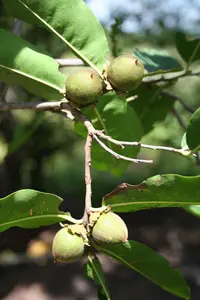
Allspice, Pimenta dioica, is an evergreen tree grown for its aromatic berries and leaves, which resemble a mix of clove, cinnamon, and nutmeg. It is naturally found in the Caribbean and parts of Central America, where it grows in warm, humid forests. The tree has glossy green leaves, small white flowers, and forms a dense, upright crown when mature. It is moderately challenging to grow outside its native climate because it prefers consistent warmth, good light, and shelter from cold and strong winds. In cultivation, it responds best to well-drained, fertile soil and steady moisture, which helps when learning how to care for allspice.

Main Plant Requirements

Care Difficulty

Moderate Care

Light Preference

Partial Sun

Water Requirements

Regular Water

Temperature Preference

Tropical / Frost Sensitive

Hardiness Zone

10–11

Soil Texture

Loamy, Sandy, Organic-rich

Soil pH

Acidic (5.5–6.5), Slightly acidic (6.5–7.0)

Soil Drainage

Moist but well-drained

Fertilization

Light (every 4–6 weeks)

Get Personalized Care Plan

Scan your plant to receive care tips personalized for your specific plant

Available on iOS and Android

How to Care for the allspice

This tropical evergreen needs bright, warm light to form dense foliage and aromatic berries.

  • Provide 4–6 hours of direct morning sun with bright, filtered light the rest of the day, or light dappled shade in hotter climates for allspice.
  • Allow partial shade, especially from harsh afternoon sun, which can scorch leaves and cause leaf edge browning in dry or windy sites.
  • In summer, ensure exposure is not blocked by fast-growing plants; in winter, maximize sun by pruning overstory or choosing the least-shaded position.

This species prefers steadily moist, never waterlogged soil that allows air around the roots.

  • Water when the top 3–5 cm of soil feels dry, aiming for deep soaking that moistens the full root zone instead of frequent shallow splashes.
  • Use a well-drained, organic-rich soil; prolonged puddling, sour smell, or yellowing, limp leaves indicate poor drainage and possible overwatering.
  • Increase watering in hot, windy weather; in cooler or rainy periods, extend intervals and watch for wilting, dry leaf tips, and slow growth as signs of underwatering in Pimenta dioica.

This warm-climate tree performs best in stable, frost-free conditions.

  • Aim for 70–85°F (21–29°C) for active growth, with slight nighttime drops improving resilience and overall vigor.
  • Avoid temperatures below 40°F (4°C); brief dips near this level may cause leaf drop, while frost can kill young shoots or entire small plants.
  • In hot spells above 90°F (32°C), provide extra shade and soil moisture, and shelter from hot, drying winds to reduce heat stress and leaf scorch.

This species prefers moderately high humidity to mimic its tropical origins.

  • Aim for 50–70% humidity; it tolerates brief dips lower but prolonged very dry air slows growth.
  • Crisping leaf edges, brown tips, and stalled new shoots indicate humidity stress in allspice.
  • Increase humidity with a nearby humidifier, grouped plants, or a wide pebble tray, rather than misting leaves directly.

This species needs a loose, moisture-retentive but fast-draining mix.

  • Use a loamy mix of roughly 50% peat or coco coir, 30–40% compost, and 10–20% perlite or pumice for aeration.
  • Aim for slightly acidic to neutral pH around 6.0–7.0 to support nutrient uptake for Pimenta dioica.
  • Ensure water drains freely; the mix should feel springy and airy, not sticky or compacted after watering.
  • Avoid heavy clay, unamended garden soil, or pots that stay wet for more than 2–3 days, which promote root rot.

This species adapts well to container growing when given enough root space and stability.

  • Choose a deep, heavy pot that resists tipping as the woody stems become taller and more top-heavy.
  • Select a container material with moderate moisture retention, such as thick-walled ceramic, to buffer against rapid drying.
  • Use a pot slightly wider than the root ball to limit excess wet substrate, which reduces the risk of waterlogged roots.

Container-grown Pimenta dioica benefits from modest, consistent nutrition during the warm growing season.

  • Use a balanced liquid fertilizer (around 10-10-10 or 20-20-20) at 1/2 strength every 4–6 weeks in spring and summer.
  • Alternatively, apply a slow-release balanced fertilizer or a thin layer of well-rotted compost at the start of the growing season.
  • Skip feeding in late fall and winter, when growth slows, to avoid weak, elongated shoots.
  • Always water before and after applying fertilizer to reduce root burn and help nutrients distribute evenly.

Pruning Pimenta dioica is mainly done to maintain structure, remove damage, and keep the tree manageable in cultivation.

  • Carry out light structural pruning at the end of winter or very early spring, before vigorous new growth begins.
  • Remove dead, diseased, crossing, or inward-growing branches to improve airflow and light penetration in the canopy.
  • Shorten overly long shoots to maintain a compact, balanced form and support strong framework branches.
  • Use clean, sharp bypass pruners or loppers, making cuts just above a bud or branch junction to promote healthy regrowth.

Young allspice trees grown in containers or nursery bags benefit from timely transplanting to maintain healthy root development.

  • Look for roots circling the pot, emerging from drainage holes, or slowed top growth as signals it needs a larger container or planting site.
  • Schedule transplanting or potting-on for late spring to early summer, once frost risk has passed and soil is warming.
  • Expect to move young plants into a larger pot or open ground every 1–2 years until they establish a stable root system.
  • Minimize root stress by watering thoroughly before and after transplanting, handling the root ball gently, and shading the plant for several days if sun is intense.

Pimenta dioica is most often propagated from seed, which can be slow and requires warm, stable conditions.

  • Sow fresh, fully ripe seeds in late spring to early summer, as older seed loses viability quickly.
  • Clean off any remaining fruit pulp, then soak seeds for 12–24 hours to encourage more even germination.
  • Use a sterile, well-draining mix, keep temperatures around 75–85°F, and maintain steady moisture without waterlogging.
  • Germination may take several weeks to months, so label containers, keep them warm and bright, and avoid disturbing emerging seedlings.

This tropical species is frost-sensitive and needs clear winter protection in climates cooler than USDA zone 10.

  • Avoid exposure to temperatures below 32°F; even brief frosts can damage leaves and young wood.
  • Move container plants indoors or into a heated greenhouse before night temperatures drop into the low 40s°F.
  • Outdoors in marginal climates, apply a 5–8 cm mulch layer around the root zone, keeping mulch slightly away from the trunk.

Care Tips

Salt-tolerant siting

Plant allspice a few meters back from roads or coastal spray zones, since the tree tolerates light salt but grows better and lives longer when shielded from direct de-icing salts and strong ocean winds.

Early canopy training

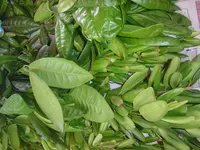
In the first 3–5 years, select a single strong leader and 3–5 well-spaced scaffold branches, removing steep, crossing shoots to build a stable framework that supports future fruit loads and reduces storm damage.

Wind protection setup

In exposed sites, use a temporary windbreak such as shade cloth on stakes or a hedge of fast-growing shrubs on the windward side to prevent leaf scorch and branch breakage on young trees.

Harvest timing test

For spice use, pick berries when they are full-sized and just turning from bright green to dull green, then crush one; if the seed is firm and aromatic rather than soft and pale, the cluster is at good harvest stage for drying.

Efficient spice drying

After washing, spread berries in a single layer on mesh trays in a warm, airy spot out of direct midday sun, turning them daily so they dry evenly and resist mold, which is critical when growing allspice for home spice use.

Common Pests and Diseases

Tea mosquito bug

This pest feeds on young shoots, leaves, and flower buds, causing brown lesions, tip dieback, and flower drop that can reduce berry production.

Solution

Prune and destroy heavily infested shoots, then monitor new flushes of growth closely; if needed, apply a targeted neem oil or pyrethrin-based spray in the evening, making sure to cover tender shoots and flower clusters while avoiding open flowers to protect pollinators.

Allspice rust

This disease causes yellow to orange powdery pustules on the underside of leaves, leading to premature leaf drop and reduced vigor.

Solution

Remove and dispose of affected leaves, avoid overhead watering, and improve spacing and airflow; in persistent cases, apply a sulfur or copper-based fungicide labeled for rust, repeating as directed until new growth remains clean.

Leaf spot complex

Symptoms include small brown to dark purple spots on leaves that may merge into larger blotches, sometimes with a yellow halo, leading to sparse foliage on lower branches.

Solution

Collect and destroy fallen leaves, keep foliage dry by watering at soil level, and thin crowded branches; for severe infections, use a copper or chlorothalonil fungicide according to label directions and focus on protecting new leaves.

Scale insects

These insects appear as small, fixed bumps on stems and leaf midribs, excreting sticky honeydew that can lead to sooty mold and weakened plants.

Solution

Wipe or gently scrub stems with a cloth or soft brush dipped in soapy water to remove scales, then follow with horticultural oil sprays directed at stems and leaf undersides every 7–14 days until no new scales are seen; encourage natural predators by avoiding broad-spectrum insecticides.

Bark borer

This pest tunnels into stems and branches, causing small round exit holes, frass (sawdust-like material), branch dieback, and reduced flowering and fruiting.

Solution

Prune out and destroy infested branches below visible tunneling, improving plant vigor with consistent watering and balanced nutrition; in areas with recurring attacks, apply a systemic insecticide labeled for borers at the base of the plant during the main egg-laying period, following local regulations and label instructions for Pimenta dioica care.

Interesting Facts

Natural spice monopoly

Allspice is unique because its dried berries alone supply flavors similar to cinnamon, clove, nutmeg, and pepper, yet all come from a single species native to the Caribbean and parts of Central America.

Bird-dispersed seed strategy

In its native range, many seeds only germinate well after passing through the digestive tract of birds, which remove the fleshy outer layers and scarify the seed coat.

Evergreen myrtle relative

This species is an evergreen tree in the myrtle family (Myrtaceae), closely related to clove and eucalyptus, and like them it stores aromatic compounds in oil glands within the leaves and fruits.

Botan icon

Did you know?

Dried allspice berries were so valuable during the 18th and 19th centuries that Jamaica became the global center of trade for the spice, and the island remains one of the main commercial producers of Pimenta dioica today.

FAQs about allspice

Yellowing leaves often result from overwatering, poor drainage, or sudden temperature shifts. Check that the pot drains freely, allow the topsoil to dry slightly between waterings, and protect this plant from cold drafts or abrupt chills.

Grow Healthy Plants with Botan Care

Keep your plants happy and healthy with plant identification, disease detection, and easy care guidance.

Botan plant care app — identify plants on mobile

Explore More Plants