Medlar Care (Crataegus germanica)

Also known as: Mispel
Medlar

About Medlar

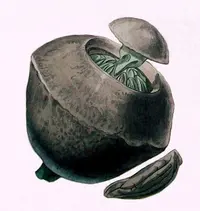
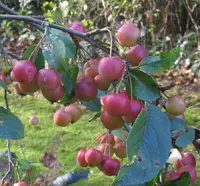
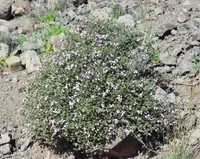
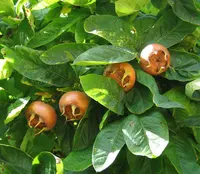
Medlar, Crataegus germanica, is a small deciduous fruit tree or large shrub, usually with a rounded crown and often some short thorns. It produces white spring blossoms followed by brown, apple-like fruits with an open, star-shaped end.

The species is native to southwestern Asia and southeastern Europe but is now grown in many temperate regions. It is generally hardy and long-lived, so established plants can be relatively low-maintenance.

Medlar prefers full sun, moderately fertile, well-drained soil, and even moisture. Understanding these preferences makes it easier to care for Medlar in a home garden or small orchard.

Main Plant Requirements

Care Difficulty

Moderate Care

Light Preference

Full Sun

Water Requirements

Moderate Water

Temperature Preference

Cold Hardy

Hardiness Zone

5–8

Soil Texture

Loamy, Sandy, Clay

Soil pH

Slightly acidic (6.5–7.0), Slightly alkaline (7.0–7.5)

Soil Drainage

Well-drained

Fertilization

Minimal (feed rarely)

Get Personalized Care Plan

Scan your plant to receive care tips personalized for your specific plant

Available on iOS and Android

How to Care for the Medlar

Crataegus germanica grows best as a small fruit tree in full sun with some tolerance for light shade.

  • Provide 6–8 hours of direct sun daily, ideally with morning sun and light afternoon shade in hotter regions to reduce leaf scorch.
  • It tolerates partial shade (4–5 hours of direct sun), but flowering and fruiting decline if shade is heavier or prolonged.
  • In summer, protect young Medlar trees from intense late-afternoon sun with nearby plants or structures, while in winter maximum sun exposure supports ripening wood.

This species prefers evenly moist, well-drained soil and resents waterlogging.

  • In the growing season, water when the top 3–5 cm of soil feels dry, applying a deep soak rather than frequent light sprinkling to encourage a strong root system.
  • Select or improve soil to drain freely; water should not pool for more than 30–60 minutes, or roots risk rot and reduced vigor.
  • Reduce watering in fall and winter, watching for drooping leaves or dry, curling foliage as signs of underwatering, and yellowing leaves or persistent soggy soil as signs of excess moisture.

This hardy tree thrives in temperate climates with cool winters and mild to warm summers.

  • Optimal growth occurs around 60–77°F (16–25°C), supporting steady shoot growth, flowering, and fruit development without stress.
  • Mature trees tolerate cold down to about 0 to -4°F (-18 to -20°C); young trees benefit from protection during their first 2–3 winters in colder regions.
  • In summer, it handles up to about 86–90°F (30–32°C) if soil moisture is maintained; prolonged hotter periods can cause leaf scorch and reduced fruit set.

Crataegus germanica handles a wide humidity range and usually does not need special humidity control outdoors.

  • Performs reliably in 30–60% humidity, similar to most temperate outdoor conditions.
  • Tolerates dry air well as long as soil moisture is consistent and roots are not stressed by drought.
  • Humidity stress shows as marginal leaf browning and early leaf drop; improve by watering correctly rather than misting.
  • In very hot, arid sites, plant Medlar with a mulch layer to reduce evaporation around the root zone.

Crataegus germanica prefers moderately fertile, well-drained mineral soil that retains some moisture but never stays waterlogged.

  • Use a loamy or sandy-loam texture with visible mineral particles plus 20–30% compost to support steady growth and fruiting.
  • Aim for slightly acidic to neutral pH, around 6.0–7.5, which supports nutrient availability and healthy root development.
  • Improve drainage and aeration by blending in sharp sand or fine gravel on heavy or compacted sites, especially in wetter climates.
  • Avoid poorly drained clay hollows, peat-heavy mixes that stay soggy, or sites where water pools after rain, which increase root disease risk.

This species can be grown in large containers for some years, provided root space and stability are carefully managed.

  • Choose a tall, heavy container to balance the woody canopy and reduce tipping in wind as the trunk thickens.
  • Select a pot with wide surface area so structural roots can spread horizontally, not circle tightly near the wall.
  • Use a coarse, mineral-rich mix that drains quickly yet has some weight, which adds stability on patios and balconies.

Crataegus germanica benefits from light, balanced feeding but tolerates modest soil fertility.

  • Apply a balanced NPK granular or slow-release fertilizer at half strength once in early spring as growth begins.
  • On lean soils, top-dress with well-rotted compost in spring to improve structure and slow nutrient release for Medlar.
  • Avoid summer overfeeding, which can cause soft, disease-prone shoots; maintain a modest growth rate instead.
  • Do not fertilize in late fall or winter, when the tree is dormant and nutrient demand is low.

Pruning Crataegus germanica maintains a healthy framework and supports fruiting.

  • Carry out main pruning in late winter or very early spring before bud break to limit sap bleeding.
  • Remove dead, diseased, crossing, or inward-growing branches with clean bypass pruners or a sharp pruning saw.
  • Thin congested interior shoots to improve light penetration and air flow, which supports flowering and fruit quality.
  • Shorten overly long leaders to maintain a balanced, open crown without creating large, rough cuts.

This species is usually grown in the ground, so focus on correct transplanting rather than frequent repotting.

  • Transplant young trees in late fall or early spring while dormant, choosing a sunny, well-drained site.
  • Look for signs such as roots circling in the nursery container or slow, weak growth before moving a plant.
  • Handle the root ball gently, keeping soil intact and trimming only damaged roots to reduce transplant shock.
  • Water thoroughly after planting, apply a 5–8 cm mulch ring, and keep soil evenly moist until new growth appears.

Propagation of Crataegus germanica is feasible but relatively slow and often used for orchard or collection plants.

  • Sow fresh seeds in fall outdoors or in pots, allowing natural winter cold stratification to break dormancy.
  • Use semi-ripe cuttings in mid to late summer, placed in a free-draining medium under high humidity and bright shade.
  • Grafting named cultivars onto compatible rootstocks in late winter ensures uniform fruit quality and tree vigor.
  • Provide steady moisture, good air circulation, and frost protection for young plants during their first 1–2 years.

Mature Crataegus germanica is generally cold hardy in temperate climates and needs minimal winter care.

  • Apply a 5–8 cm mulch layer around the root zone in late fall, keeping it clear of the trunk to limit rot risk.
  • Newly planted or young trees benefit from burlap windbreaks in exposed sites to reduce desiccation and branch damage.
  • Container-grown specimens are less insulated; move pots to a sheltered, unheated area where roots stay above about 20°F.

Care Tips

Frost Flower Protection

In late spring, use breathable frost cloth or horticultural fleece on cold nights to protect opening flowers, since medlar blooms are sensitive to late frosts that can drastically reduce fruit set.

Structured Crown Training

During the first 3–4 years, select 3–5 evenly spaced main branches and lightly remove competing shoots in late winter to build a strong open crown that supports heavy fruit without limb breakage.

Fruit Thinning Practice

If the tree sets a heavy crop, remove roughly every second or third young fruit in early summer so the remaining medlars size up better and reduce the risk of branches snapping under excess weight.

Bletting Storage Setup

Harvest fruits when they are firm and brown, then arrange them in a single layer on shallow trays in a cool, airy shed or garage to allow controlled bletting, which improves flavor and texture and is central to caring for Medlar.

Trunk And Root Mulching

Lay a 5–8 cm ring of organic mulch around but not touching the trunk to buffer soil temperature, reduce weed competition, and protect surface roots from mower or string-trimmer damage when growing Medlar in lawns or mixed plantings.

Common Pests and Diseases

Fire blight

This disease causes sudden wilting and blackening of blossoms, shoots, and young branches, which often look scorched. Symptoms include shepherd’s crook–shaped shoot tips and oozing, amber-colored bacterial exudate in humid weather.

Solution

Prune out infected twigs and branches at least 20–30 cm below visible damage during dry weather, disinfecting pruning tools between cuts with 70% alcohol or a 10% bleach solution. Avoid high-nitrogen fertilization, improve air circulation through thoughtful pruning, and in regions with a history of fire blight, follow local extension guidance on preventive copper or streptomycin sprays during bloom if allowed in your area.

Leaf spot

This disease produces small brown to purple spots on leaves that may merge into larger blotches, sometimes leading to early leaf drop. Symptoms include a thinner canopy and reduced vigor in heavily affected trees.

Solution

Collect and destroy fallen leaves to reduce the source of reinfection, and prune to open the canopy and improve airflow. In locations with recurring problems, apply a labeled fungicide (such as a copper or chlorothalonil product) at bud break and repeat as directed, focusing on thorough coverage of foliage.

Rust

This disease causes orange to rust-brown leaf spots and may produce small swellings or lesions on twigs and fruit, often linked to nearby junipers that serve as alternate hosts. Symptoms include premature leaf drop and blemished fruit in severe cases.

Solution

Remove and dispose of heavily infected leaves and fruit, and avoid planting susceptible junipers close to medlar trees. In areas with persistent rust, use a suitable systemic or protectant fungicide at early leaf emergence and repeat according to label directions, timing sprays before periods of wet weather.

Aphids

These insects feed on new growth, causing leaf curling, distortion, and sticky honeydew that can attract sooty mold. This pest is often found in clusters on shoot tips and the undersides of leaves.

Solution

Spray infested shoots with a strong jet of water to dislodge aphids, and encourage natural predators such as lady beetles by minimizing broad-spectrum insecticides. For ongoing infestations, use horticultural soap or neem oil, ensuring thorough coverage of the undersides of leaves and repeating as needed according to product instructions.

Hawthorn lace bug

This pest feeds on the undersides of leaves, causing fine yellow stippling on the upper surface and general leaf bronzing over time. This pest also leaves dark varnish-like spots of excrement underneath leaves.

Solution

Inspect the undersides of leaves regularly and prune out and destroy heavily infested branches when practical. For moderate to heavy infestations, apply horticultural oil or an appropriate systemic insecticide in late spring, targeting the early nymph stage, and improve tree vigor through proper watering and mulching to help tolerate some feeding.

Interesting Facts

Edible only after bletting

The fruits must soften and partially break down in a process called bletting, often after frost or storage, before they become palatable; unbletted fruits are hard, very astringent, and not usually eaten fresh.

Ancient European fruit tree

Archaeological findings show that this species was cultivated in Europe since classical antiquity, and it was grown in Roman gardens and later in medieval monastery orchards as a valued fruit tree.

Unusual pome structure

Its brown, open-ended fruits are pomes with a conspicuous calyx and large stone-like seeds, giving them a distinctive urn-like appearance very different from the smooth-skinned apples and pears of the same family.

Botan icon

Did you know?

In some traditional European cuisines, fully bletted medlar fruits were pressed or sieved to make a thick, date-like paste used for preserves and confections, giving the tree a niche role as a winter dessert fruit long before modern refrigeration.

FAQs about Medlar

The fruits are edible once bletted, meaning allowed to soften after frost or storage until the flesh turns brown and soft. At that stage they are used fresh, in jams, jellies, desserts, and traditional wines.

Grow Healthy Plants with Botan Care

Keep your plants happy and healthy with plant identification, disease detection, and easy care guidance.

Botan plant care app — identify plants on mobile

Explore More Plants