Establish strong framework
In the first 3–4 years, select 3–5 evenly spaced main branches and remove competing upright shoots in late winter so the tree develops a strong open framework that can support heavy fruit loads.

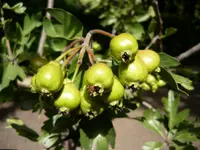
Azarole, Crataegus azarolus, is a small, deciduous fruit tree in the hawthorn group, usually forming a rounded crown with thorny branches. It carries white spring blossoms followed by small, yellow to red apple-like fruits. Native to the Mediterranean region and parts of the Middle East, it is adapted to warm, dry summers and mild, wetter winters. This species is generally robust, coping well with poor, well-drained soils and moderate drought once established. It prefers full sun and benefits from some wind protection in cooler climates. For gardeners who want to care for azarole, its main needs are adequate light, good drainage, and space for its mature size.

Care Difficulty
Moderate Care

Light Preference
Full Sun

Water Requirements
Moderate Water

Temperature Preference
Cold Hardy

Hardiness Zone
7–10

Soil Texture
Sandy, Loamy, Clay

Soil pH
Slightly acidic (6.5–7.0), Slightly alkaline (7.0–7.5)

Soil Drainage
Well-drained

Fertilization
Minimal (feed rarely)
Scan your plant to receive care tips personalized for your specific plant
Available on iOS and Android
This Mediterranean fruit tree grows best in open, bright conditions with full sun exposure.
This hawthorn prefers evenly moist, well-drained soil and becomes more drought-tolerant as it matures.
This species is a hardy, outdoor tree adapted to Mediterranean-type climates with mild, wet winters and warm, dry summers.
This Mediterranean hawthorn tolerates a wide humidity range and rarely needs special humidity management outdoors.
Crataegus azarolus prefers moderately fertile, well-structured mineral soil that drains freely yet retains some moisture.
This species can be grown in large containers for some years, though it ultimately performs best in open ground.
This fruiting hawthorn benefits from modest feeding on poor soils but often manages without in fertile ground.
Thoughtful pruning keeps Crataegus azarolus healthy, safe, and productive without heavy intervention.
This hawthorn is usually grown in the ground, so focus on careful transplanting of young trees.
Sexual and vegetative methods are both used, but Crataegus azarolus is most often raised from seed by specialists or nurseries.
Once established, this hawthorn is fairly cold hardy in much of the US and usually needs only minimal winter care.

Plant Health Check
Not sure what's wrong with your plant? Check your plant's health inside the app.
This species is native to the Mediterranean Basin and parts of the Middle East, where it forms small trees or large shrubs that are naturally adapted to dry, rocky slopes and calcareous soils rich in limestone.
Its fruits are yellow to orange-red pomes that resemble tiny apples, with a mealy, mildly sweet flesh that has been traditionally eaten fresh or processed into preserves in several Mediterranean cuisines.
The creamy-white spring flowers produce abundant nectar and pollen and are considered good forage for bees and other pollinators, making the plant valuable for traditional mixed orchards and hedgerows in rural landscapes.

Archaeobotanical findings indicate that its fruits were collected and used by humans in the Mediterranean region since antiquity, with carbonized seeds recovered from ancient settlement layers showing it was part of early traditional agroforestry systems.
Lack of flowers usually comes from insufficient sunlight, heavy pruning of young shoots, or excess nitrogen fertilizer. Late frosts can also damage flower buds. Supportive Crataegus azarolus care includes full sun, balanced feeding, and pruning right after flowering, not before.
Keep your plants happy and healthy with plant identification, disease detection, and easy care guidance.