Deep container selection
Use a tall, heavy container with at least 40–50 cm depth to allow the deep, fibrous root system to anchor well and reduce the risk of the palm toppling as the multi-stem clump gains height.


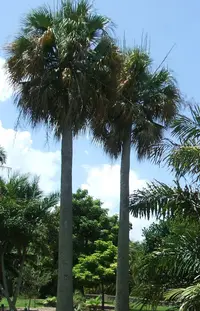
Assai palm, Euterpe oleracea, is a tropical, clustering palm best known as the source of açaí berries. It typically forms several slender, tall stems with graceful, feather-like fronds.
In nature it grows in swampy floodplains and riverbanks of the Amazon region, where conditions are warm, humid, and consistently moist. Its preference for high humidity, evenly damp soil, and stable warmth makes it more challenging outside tropical or carefully controlled settings.
Understanding how to care for Assai palm starts with recognizing its need for bright light without scorching sun, regular moisture, and free-draining, organic-rich soil.

Care Difficulty
Hard Care

Light Preference
Partial Shade

Water Requirements
Keep Soil Moist

Temperature Preference
Tropical / Frost Sensitive

Hardiness Zone
10–12

Soil Texture
Sandy, Loamy, Organic-rich

Soil pH
Acidic (5.5–6.5), Slightly acidic (6.5–7.0)

Soil Drainage
Moist but well-drained

Fertilization
Light (every 4–6 weeks)
Scan your plant to receive care tips personalized for your specific plant
Available on iOS and Android
This tropical palm prefers bright, indirect light with some protection from harsh sun.
This species thrives in consistently moist, not stagnant, soil.
This palm prefers warm, stable tropical to subtropical temperatures.
This species prefers high, consistently moist air and reacts quickly to dry indoor conditions.
Euterpe oleracea grows best in deep, moist, but well-drained, organic-rich soil that stays evenly damp.
This species can be grown in large containers if the root system receives ample depth and stable moisture.
Euterpe oleracea responds well to modest, consistent nutrition during its warm growing season.
Pruning Euterpe oleracea is mainly hygienic, aimed at maintaining a healthy, tidy crown.
Young Assai palm plants tolerate careful repotting or transplanting, but mature specimens prefer minimal root disturbance.
Propagation of Euterpe oleracea is usually done from seed rather than vegetative methods.
This tropical palm has low frost tolerance and needs careful winter management in most temperate climates.

Plant Health Check
Not sure what's wrong with your plant? Check your plant's health inside the app.
This palm naturally grows in seasonally flooded Amazonian floodplains, forming dense stands that tolerate long periods of waterlogged, low-oxygen soils that would kill many other tree species.
It is cultivated both for its dark purple fruit, used to make açaí pulp, and for its edible palm hearts, which are harvested from the soft inner stem tissue.
Unlike many single-trunk palms, this species typically produces several slender stems from one root system, which allows selective harvest of palm hearts while other stems continue to grow.

Large, dense stands of this palm in Amazonian várzea forests are considered an important keystone resource, supporting diverse wildlife such as birds, monkeys, and rodents that feed on the abundant fruit during seasonal flooding.
The fruits are edible and widely used for juice and pulp, but only the dark purple outer pulp is consumed. The seeds are hard and inedible. In traditional use, the palm heart is also eaten, which kills the stem.
Keep your plants happy and healthy with plant identification, disease detection, and easy care guidance.