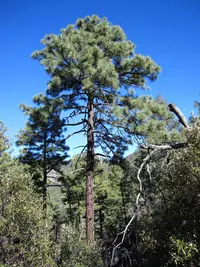
fleshy hawthorn Care (Crataegus succulenta)

Also known as: Round-fruited Cockspurthorn
fleshy hawthorn

About fleshy hawthorn

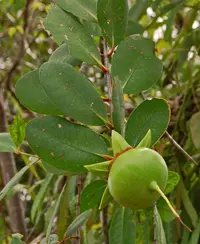
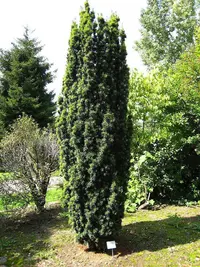
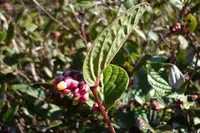
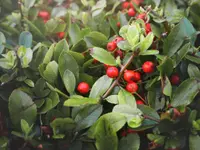
Fleshy hawthorn, Crataegus succulenta, is a hardy deciduous shrub or small tree in the rose family. It forms a dense, branching crown with stout thorns and glossy green leaves. In spring it produces clusters of white flowers, followed by bright red, fleshy fruits that persist into fall and often attract birds. This species is native to North America, typically found in wood edges, thickets, and open fields. It is generally considered tough and adaptable, tolerating cold climates and a range of soils, though it prefers well-drained conditions and full sun to light shade. For gardeners wanting to learn how to care for fleshy hawthorn, its resilience makes it suitable for low-maintenance wildlife hedges and naturalistic plantings.

Main Plant Requirements

Care Difficulty

Easy Care

Light Preference

Full Sun

Water Requirements

Moderate Water

Temperature Preference

Cold Hardy

Hardiness Zone

3–7

Soil Texture

Sandy, Loamy, Clay

Soil pH

Acidic (5.5–6.5), Slightly acidic (6.5–7.0)

Soil Drainage

Moist but well-drained

Fertilization

Minimal (feed rarely)

Get Personalized Care Plan

Scan your plant to receive care tips personalized for your specific plant

Available on iOS and Android

How to Care for the fleshy hawthorn

This North American hawthorn grows best with abundant direct sun and some seasonal flexibility.

  • Provide full sun for 6–8 hours daily; 4–6 hours is acceptable but may reduce flowering and fruiting of fleshy hawthorn.
  • Site the tree where it receives strong morning sun and some light afternoon shade in hotter regions to limit leaf scorch and premature leaf drop.
  • Avoid deep shade; sparse branching, elongated shoots, and few flowers indicate insufficient light, especially in dense urban or woodland settings.

This hardy hawthorn prefers evenly moist but not saturated soil once established in the landscape.

  • Before watering, let the top 3–5 cm of soil dry; soil should feel cool and slightly moist below, not soggy or dusty-dry.
  • In spring and early summer, increase watering during dry spells; in late fall and winter, rely mostly on natural rainfall unless there is prolonged drought.
  • Ensure Crataegus succulenta grows in well-drained loam or sandy soil; yellowing leaves, soft twigs, or fungal growth suggest overwatering, while crisp leaves and tip dieback indicate drought stress.

This cold-hardy hawthorn tolerates a wide temperature range typical of many temperate climates.

  • Active growth is strongest around 60–75°F (16–24°C), with good performance through typical spring and fall conditions.
  • Dormant trees withstand winter lows near -30°F (-34°C) when well-established, making them suitable for many northern regions.
  • During summer, brief periods up to about 90–95°F (32–35°C) are tolerated if soil moisture is maintained; young trees may need extra water and mulch to reduce heat and frost stress.

Crataegus succulenta tolerates a wide humidity range and rarely needs special humidity management outdoors.

Crataegus succulenta prefers moderately moist, well-drained mineral soils with some organic matter.

  • Use a loamy or sandy-loam soil that holds moisture but does not stay waterlogged.
  • Aim for slightly acidic to neutral pH around 6.0–7.0; add compost to improve structure and nutrient content.
  • In heavier clay, mix in coarse sand or fine gravel plus compost to enhance drainage and aeration.
  • Avoid permanently wet, compacted, or highly saline soils, which increase root disease risk and stunt growth.

This species can be grown in containers for several years, though it is naturally better suited to open ground.

  • Choose a deep, heavy container to anchor the woody root system and prevent the plant from tipping in wind.
  • Use a mineral-rich, fast-draining mix such as 50% loam, 30% coarse sand, and 20% compost to avoid waterlogging.
  • Raise the pot slightly on feet or bricks so drainage holes stay clear and excess water leaves quickly after rain or irrigation.

This native tree usually needs minimal feeding, but light fertilization can support growth in poor soils when caring for fleshy hawthorn.

  • Use a balanced slow-release fertilizer (for example 10-10-10) or a thin layer of compost once in early spring.
  • Apply only during the active growing season, avoiding midsummer heat and late fall to prevent soft, frost-sensitive growth.
  • Use at 50–75% of the label rate for trees, keeping granules off the trunk and watering in well.
  • Do not feed in winter dormancy; focus instead on proper watering and mulch management.

Pruning Crataegus succulenta helps maintain structure, safety, and flowering performance.

  • Carry out main pruning in late winter to very early spring while the tree is still dormant.
  • Remove dead, diseased, crossing, or inward-growing branches to open the canopy and improve air flow.
  • Shorten overly long shoots to refine shape and keep branches strong enough to support fruit.
  • Use clean, sharp bypass pruners or a pruning saw, making cuts just outside the branch collar.

This hawthorn is most often planted in the ground, so focus on correct transplanting rather than frequent repotting.

  • Transplant young trees in early spring or fall when soil is moist and temperatures are mild.
  • Look for signs such as roots circling the pot, water running off quickly, or poor vigor before moving a container plant.
  • Shift to a hole or container 1–2 sizes larger, using well-drained loamy soil at the same planting depth.
  • Water thoroughly after planting, mulch 5–8 cm deep, and keep soil evenly moist to limit transplant shock.

Reproduction of this species is typically done from seed, with some growers also using grafting or hardwood cuttings.

  • Collect ripe berries in fall, clean off pulp, and stratify seeds in moist medium at 35–40°F for 3–4 months.
  • Sow stratified seeds in spring in a free-draining mix, keeping the tray evenly moist and in bright, indirect light.
  • For hardwood cuttings, take pencil-thick shoots in late fall, treat with rooting hormone, and place in a sandy substrate.
  • Provide steady moisture, good air circulation, and patience, as germination and rooting can be slow.

This hawthorn is cold hardy in most temperate climates and usually requires little special winter care once established.

  • In late fall, apply a 5–8 cm mulch layer around the root zone, keeping it a few cm away from the trunk.
  • Newly planted or young trees benefit from burlap wraps or windbreaks in very exposed sites.
  • Container-grown specimens in colder regions can be moved to an unheated garage or sheltered spot to avoid root freeze.

Care Tips

Encourage Strong Framework

In the first 3–5 years, select 3–5 evenly spaced main branches and remove steep, rubbing, or crossing shoots in late winter to build a strong, open framework that better supports fruit and reduces storm damage risk.


Manage Suckers Regularly

Check the base and root zone 2–3 times per season and cut off any suckers or water sprouts flush with the origin so energy goes into the main crown and fruiting wood instead of dense, weak growth.

Time-Sensitive Fruit Thinning

If branches are heavily laden with young fruit, thin clusters so fruits are spaced about 5–8 cm apart to reduce limb breakage, improve fruit size, and lower the risk of fungal problems in crowded clusters.

Targeted Disease Monitoring

From spring through early summer, inspect leaves and young shoots every 1–2 weeks for early signs of rust, leaf spot, or fire blight, and promptly remove and discard affected parts to slow spread and protect long-term tree health when growing fleshy hawthorn.

Wildlife Protection Strategies

Where deer, rabbits, or rodents are common, install a sturdy trunk guard and a 90–120 cm tall wire cage around young plants to prevent bark chewing and browsing until the tree has a well-established, thorny canopy.

Common Pests and Diseases

Hawthorn leaf spot

This disease causes small round reddish-purple spots on leaves that may enlarge, merge, and lead to early leaf drop, especially in humid weather.

Solution

Prune and destroy heavily infected leaves and twigs, increase airflow by thinning crowded branches, avoid overhead watering, and apply a labeled copper or chlorothalonil fungicide at bud break and through wet periods if the problem recurs yearly.

Fire blight

This disease leads to sudden blackening and shriveling of blossoms and young shoots, which often look scorched and may bend into a characteristic shepherd’s crook shape.

Solution

Prune out infected shoots at least 20–30 cm below visible damage during dry weather, disinfect pruning tools between cuts, avoid high-nitrogen fertilization that drives soft new growth, and in high-risk areas consider a registered blossom spray such as a streptomycin product applied according to label directions.

Cedar-hawthorn rust

This disease causes bright orange to yellow spots on leaves and sometimes deformed, spotted fruit, and it relies on both hawthorn and certain junipers to complete its life cycle.

Solution

Remove and discard infected leaves and fruit, improve airflow through selective pruning, and where rust is severe, use a labeled rust fungicide at early leaf expansion and again after petal fall; if possible, avoid planting susceptible junipers close to hawthorn trees.

Hawthorn lace bug

These insects feed on the undersides of leaves, causing pale stippling, a bleached appearance, and dark varnish-like droppings, which can lead to early leaf drop on stressed trees.

Solution

Rinse the undersides of leaves with a firm stream of water to dislodge nymphs, encourage natural predators by minimizing broad-spectrum insecticides, and, if infestations are heavy, use an insecticidal soap or horticultural oil thoroughly directed to the leaf undersides.

Pear slug sawfly

This pest appears as small, dark, slimy larvae that skeletonize leaves, leaving only leaf veins and a windowpane effect, which can weaken the tree if defoliation is heavy or repeated.

Solution

Spray larvae off foliage with water, hand-pick where practical, and if damage is significant, treat leaves with horticultural oil or spinosad, timing sprays for when young larvae first appear in late spring or mid-summer as part of Crataegus succulenta plant care.

Interesting Facts

Late-season fruit resource

This hawthorn produces bright red pomes that often persist into winter, providing an important late-season food source for birds and small mammals in northern forests and hedgerows.

Strong wetland affinity

It commonly occurs along streambanks, lake margins, and swamp edges in its native range, showing higher tolerance of seasonally wet soils than many other hawthorn species.

Wide native distribution

The species is native across a broad band of northern North America, from the northern United States into southern Canada, which reflects its adaptation to cold winters and short growing seasons.

Botan icon

Did you know?

Fleshy hawthorn is frequently noted as one of the thornier North American hawthorns, and dense, spiny thickets formed by this species create effective nesting and refuge sites for songbirds that avoid many mammalian predators.

FAQs about fleshy hawthorn

Growth is moderate. Young plants typically add 20–30 cm per year under good light, moisture, and soil fertility. Growth slows as the plant matures, especially in dry, compacted, or very poor soils.

Grow Healthy Plants with Botan Care

Keep your plants happy and healthy with plant identification, disease detection, and easy care guidance.

Botan plant care app — identify plants on mobile

Explore More Plants