possumhaw viburnum Care (Viburnum nudum)

Also known as: southern wild raisin, wild raisin, possumhaw viburnum, smooth witherod

About possumhaw viburnum

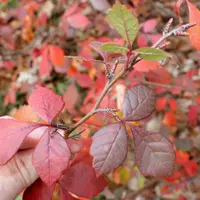
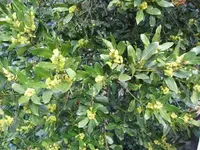
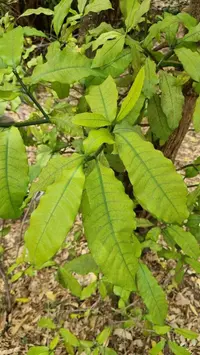
Possumhaw viburnum (Viburnum nudum) is a deciduous shrub known for its clean foliage, white spring flowers, and showy berries that turn pink, blue, and finally dark purple. It typically forms a dense, upright shape and works well in mixed borders, naturalized areas, and wetland edges.

This species is native to the eastern United States, often found in moist woods, swamps, and along streams. Its tolerance of wet soils, moderate shade, and a range of garden conditions makes it relatively straightforward to care for possumhaw viburnum.

The shrub prefers consistent moisture, slightly acidic soil, and at least some direct sun for best flowering and fruiting. It is generally considered a durable, low-maintenance landscape shrub when sited correctly.

Main Plant Requirements

Care Difficulty

Easy Care

Light Preference

Partial Sun

Water Requirements

Regular Water

Temperature Preference

Cold Hardy

Hardiness Zone

5–9

Soil Texture

Loamy, Clay, Organic-rich

Soil pH

Acidic (5.5–6.5), Slightly acidic (6.5–7.0)

Soil Drainage

Moist but well-drained

Fertilization

Minimal (feed rarely)

Get Personalized Care Plan

Scan your plant to receive care tips personalized for your specific plant

Available on iOS and Android

How to Care for the possumhaw viburnum

This shrub prefers consistent, bright outdoor light for strong growth and berry production.

  • Plant possumhaw viburnum in full sun to light shade, aiming for 4–6 hours of direct light daily, ideally with morning sun and some afternoon shade in hotter regions.
  • In cooler climates it can handle full sun all day, but in warmer zones filtered afternoon light reduces leaf scorch and moisture stress.
  • Too much deep shade leads to sparse flowering and fewer fruits, while intense, all-day summer sun can cause leaf edge browning, especially in young plants.

This shrub prefers evenly moist but not saturated soil, especially during establishment.

  • Water when the top 3–5 cm of soil feels dry, soaking the root zone deeply rather than giving frequent shallow sips to encourage strong root development.
  • In the first 1–2 years, monitor closely during hot, dry periods, increasing watering in summer and reducing in cool, rainy seasons once Viburnum nudum is established.
  • Watch for stress signals: drooping leaves and dry, crumbly soil suggest underwatering, while yellowing leaves, soft stems, and standing water indicate poor drainage or overwatering.

This species is a hardy outdoor shrub that tolerates a broad temperature range once established.

  • Optimal growing temperatures are about 60–80°F (16–27°C), when new shoots extend steadily and flowering develops well in spring and early summer.
  • Fully dormant plants tolerate winter cold down to about -10°F (-23°C) in the ground, provided soil drains well and roots are mulched to buffer freeze–thaw cycles.
  • Mature shrubs handle short heat waves up to about 90–95°F (32–35°C) if soil moisture is maintained, but prolonged extreme heat or drying winds may cause leaf scorch and reduced fruit set.

This species grows well outdoors in 40–60% humidity and does not usually need special humidity management.

  • Possumhaw viburnum tolerates dry air but may drop some leaves in prolonged hot, windy periods.
  • Leaf edges browning and curl with otherwise moist soil can indicate humidity stress rather than underwatering.
  • In exposed, dry sites, use mulch and nearby shrubs to reduce drying winds and stabilize local humidity around foliage.

This shrub prefers moist, slightly acidic, well-aerated soil that never stays waterlogged.

  • Use a loamy structure with high organic matter, such as native soil mixed 1:1 with composted bark or leaf mold.
  • Aim for pH 5.5–6.5; in alkaline soil, add elemental sulfur over time rather than relying only on peat-based amendments.
  • Ensure steady moisture and drainage by forming a broad, shallow planting area, not a deep hole that can act as a sump.
  • Avoid heavy, compacted clay or pure sand; improve aeration with compost and fine pine bark, not large amounts of sand alone.

This species can be grown in containers for several years, but the container must support its eventual size and moisture needs.

  • Choose a deep, wide, heavy pot to prevent tipping as the woody framework becomes taller and more wind-exposed.
  • Select a thick-walled or clay container in hot climates to moderate root temperature and slow rapid drying of the mix.
  • Use a slightly raised pot stand so drainage holes stay clear and excess water escapes quickly after heavy rain or irrigation.

This native shrub grows well in average soil, but moderate feeding supports dense growth and fruiting in possumhaw viburnum.

  • Apply a balanced slow-release fertilizer (around 10-10-10) once in early spring at label rates, lightly worked into the topsoil.
  • In richer soils, use compost around the drip line instead of granular fertilizer to maintain organic matter and soil life.
  • During the growing season, avoid additional high-nitrogen products that encourage weak, overly lush shoots.
  • Stop feeding by late summer and do not fertilize in winter dormancy to prevent tender, frost-prone growth.

Pruning Viburnum nudum is mainly used to maintain shape and remove problem wood rather than to control size drastically.

  • Time structural pruning for late winter to very early spring, before new growth begins, to reduce stress and sap bleeding.
  • Remove dead, diseased, crossing, or inward-growing branches first, cutting back to healthy wood with clean, sharp bypass pruners.
  • Thin crowded stems slightly to improve light and air movement, which supports flowering and reduces disease risk.
  • Limit tip shortening to light shaping only, preserving most 1-year-old wood where flower buds and future berries develop.

This shrub is typically grown in the ground, so transplanting Viburnum nudum correctly is more important than repotting.

  • Transplant in early spring or early fall, when temperatures are mild and soil is workable, to allow root recovery before weather extremes.
  • Look for signs such as circling roots in nursery containers or poor growth in heavy, compacted soil to decide when moving is beneficial.
  • Dig a wide planting hole, disturb and spread any circling roots, and set the root flare level with the soil surface to reduce future stress.
  • Water deeply after planting, then keep soil evenly moist (not waterlogged) for the first growing season to support new root establishment.

New Viburnum nudum plants are most commonly produced from cuttings or seeds under controlled conditions.

  • Take semi-ripe stem cuttings in mid to late summer, 8–12 cm long, and remove lower leaves to reduce moisture loss.
  • Dip the cut base in rooting hormone, then insert into a moist, free-draining mix under high humidity and bright, indirect light.
  • Sow cleaned seeds in fall, outdoors or in cold frames, allowing natural winter chilling to trigger germination in spring.
  • Layer low, flexible stems by pegging them into the soil; once roots form after a season, sever and transplant the new plant.

This species is generally cold hardy in much of the US and usually needs only basic winter care once established.

  • Established plants tolerate typical winter frosts in their hardiness range, though young shrubs benefit from extra attention.
  • Apply 5–8 cm of organic mulch over the root zone in late fall, keeping it slightly back from the stems to prevent rot.
  • In very exposed sites, use a windbreak or burlap screen around young plants to limit desiccation and stem dieback.
  • Move container-grown plants into a sheltered, unheated but frost-free or slightly protected spot to prevent root freezing.

Care Tips

Encourage Heavy Fruiting

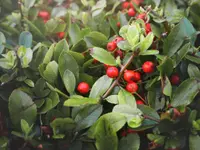
Plant at least 2 genetically distinct cultivars nearby and space them 1.8–3 m apart to improve cross‑pollination and achieve heavier, more colorful berry clusters.

Manage Suckering Growth

Inspect the base each spring and cut unwanted root suckers at or just below soil level to keep the shrub in a defined shape and prevent it from spreading into nearby planting areas.

Storm-Resilient Structure

In windy sites, selectively thin crowded interior branches in late winter so air can move through the canopy, which reduces limb breakage and leaf disease during heavy storms.

Mulch Root Zone Smartly

Maintain a 5–8 cm layer of organic mulch in a wide ring out to the drip line, but keep it 5–8 cm away from the stems to protect shallow roots, conserve moisture, and prevent bark rot.

Monitor For Viburnum Beetle

From early spring, check the undersides of leaves for skeletonized feeding damage and, if found, prune out and destroy affected shoots promptly to break the pest life cycle and simplify caring for possumhaw viburnum over time.

Common Pests and Diseases

Viburnum leaf beetle

This pest feeds on leaves as both larvae and adults, causing skeletonized foliage and progressive defoliation from the bottom of the shrub upward. Symptoms include lace-like leaves, brown frass, and bare twigs by mid to late summer.

Solution

Prune and destroy egg-laden twig tips during winter and early spring, cutting 5–10 cm below clusters of pinhead-sized egg cavities. During active feeding, handpick larvae and adults where practical and use a targeted insecticide such as spinosad or a labeled pyrethroid, making sure to coat the undersides of leaves and to repeat according to label directions if feeding resumes.

Aphids

These insects cluster on tender shoots and leaf undersides, sucking sap and causing curled, sticky, and distorted new growth. Symptoms include shiny honeydew on leaves and stems and sometimes sooty black mold growing on the residue.

Solution

Spray infested shoots with a firm stream of water to knock aphids off, then follow with insecticidal soap or horticultural oil, coating all leaf surfaces. Encourage natural predators such as lady beetles by avoiding broad-spectrum insecticides and limit high-nitrogen fertilizer that drives very soft, aphid-prone growth.

Powdery mildew

This disease causes a white to gray, powdery film on upper leaf surfaces, especially in shaded or crowded plantings with poor air movement. Symptoms include dull, discolored foliage and in stronger infections some leaf curling or early leaf drop.

Solution

Improve airflow by thinning crowded branches and nearby vegetation and avoid overhead watering late in the day. Remove and discard heavily infected leaves and, in recurrent cases, apply a labeled fungicide such as sulfur, potassium bicarbonate, or a myclobutanil product at the first sign of powdery spots.

Leaf spot

This disease group produces scattered tan, purple, or dark brown spots on leaves that may enlarge, merge, and lead to premature leaf drop, especially in wet seasons. Symptoms include more severe spotting on lower, denser parts of the shrub where leaves stay wet longer.

Solution

Rake and discard fallen leaves and prune out densely shaded interior shoots to reduce moisture retention. Water at the base of the plant, not over the foliage, and in persistent or severe cases use a labeled ornamental shrub fungicide, starting early in the season and repeating according to label directions when wet weather continues.

Scale insects

These insects appear as small, immobile bumps on stems and sometimes leaves, feeding on sap and causing overall decline, leaf yellowing, and sticky honeydew in heavier infestations. Symptoms include weakened new growth and a rough, crusted appearance on twigs where scales are clustered.

Solution

Prune out and destroy heavily infested stems where feasible, then treat remaining plants with horticultural oil during the appropriate seasonal window, often targeting the crawler stage specified on the product label. For persistent populations on established shrubs, combine oil sprays with monitoring for crawlers using double-sided tape on branches and time follow-up treatments to when these mobile young stages are most active.

Interesting Facts

Color-changing fruit clusters

The berries of Viburnum nudum shift through several colors as they mature, often appearing pink, rose, and blue on the same cluster before turning deep blue-black when fully ripe.

Specialist insect relationships

This species is a documented larval host for several moth species in eastern North America, meaning their caterpillars feed specifically on its foliage as part of the local food web.

Natural wetland tolerance

In the wild, Viburnum nudum often grows in swamps, wet woods, and along stream margins, showing good tolerance of periodic flooding and poorly drained, acidic soils.

Botan icon

Did you know?

Viburnum nudum is one of the native viburnums recommended by the U.S. National Arboretum and regional conservation groups as a high-value shrub for pollinators and songbirds, because it combines spring nectar, dense nesting cover, and late-season fruit in a single species.

FAQs about possumhaw viburnum

Lack of flowers often comes from too much shade, heavy pruning at the wrong time, or nutrient imbalance. Avoid pruning after early summer, ensure at least moderate light, and provide a balanced, slow-release fertilizer if soil is nutrient-poor.

Grow Healthy Plants with Botan Care

Keep your plants happy and healthy with plant identification, disease detection, and easy care guidance.

Botan plant care app — identify plants on mobile

Explore More Plants