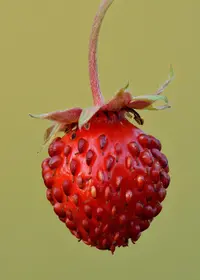
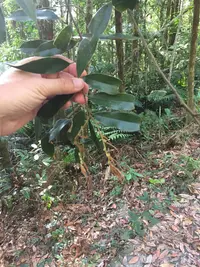
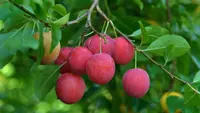
governor's plum Care (Flacourtia indica)

Also known as: Batoka Plum, Flacourtia, Indian-Plum, Madagascar-Plum, Mauritius-Plum, Rhodesian-Plum
governor's plum

About governor's plum

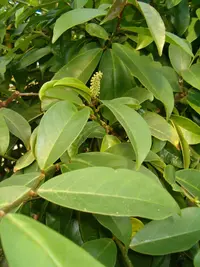
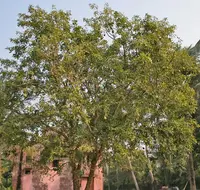
Governor's plum, Flacourtia indica, is a small tropical fruit tree or large shrub, often armed with sharp spines and forming a dense, branching crown. It produces small, round, reddish to purple fruits and simple, glossy green leaves that give it a neat, compact look when regularly pruned.

This species is native to parts of Africa and Asia and is now grown in many tropical and subtropical regions as a backyard fruit tree or hedge. It is generally hardy and tolerant of heat, seasonal dryness, and poorer soils, which can make it relatively easy to care for governor's plum where winters are mild.

The plant prefers full sun, moderately moist, well-drained soil, and benefits from protection from frost and very strong winds.

Main Plant Requirements

Care Difficulty

Moderate Care

Light Preference

Full Sun

Water Requirements

Moderate Water

Temperature Preference

Tropical / Frost Sensitive

Hardiness Zone

10–12

Soil Texture

Sandy, Loamy, Organic-rich

Soil pH

Acidic (5.5–6.5), Slightly acidic (6.5–7.0)

Soil Drainage

Well-drained

Fertilization

Minimal (feed rarely)

Get Personalized Care Plan

Scan your plant to receive care tips personalized for your specific plant

Available on iOS and Android

How to Care for the governor's plum

This sun-loving shrub fruits best with strong light and some protection from harsh extremes.

  • Provide 6–8 hours of direct sun daily; morning and late-afternoon sun are ideal, with light midday shade in very hot climates.
  • Accepts light partial shade (around 4–5 hours of sun), but governor's plum may flower and fruit less in such conditions.
  • In summer, monitor for leaf scorch or yellowing in exposed, reflective sites; in cooler seasons, avoid dense shade that causes weak, elongated shoots.

This species prefers steadily moist but not saturated soil once established in the ground.

  • Allow the top 3–5 cm of soil to dry before deep watering, aiming for thorough soakings rather than frequent light splashes.
  • In hot, dry periods, watch for dull, slightly drooping leaves as a cue to water; reduce frequency in cool or rainy seasons to prevent root issues.
  • Ensure free-draining soil; persistent wetness, sour smell, or blackened roots indicate overwatering, while crisp leaf edges and leaf drop point to drought stress in Flacourtia indica.

This warm-climate shrub grows best in stable, frost-free conditions.

  • Optimal growth occurs around 70–90°F (21–32°C), where shoot and fruit development are most consistent.
  • The plant is very frost sensitive; brief drops near 32°F (0°C) can damage foliage and young wood, and hard freezes may kill the plant back to the base or worse.
  • In hot climates, it tolerates up to about 100°F (38°C) if soil moisture is maintained and roots are mulched; dry heat plus wind increases leaf scorch risk.

This species handles a wide humidity range and rarely needs special humidity management outdoors.

  • Target 40–60% humidity for container-grown governor's plum, similar to most household and outdoor conditions.
  • Leaves curling inward or browning at tips in very dry, hot air may indicate humidity plus heat stress rather than watering issues.
  • Increase local humidity only in extreme dry climates by grouping plants or placing a wide tray of water and stones nearby, without raising the soil moisture.

This species prefers moderately fertile, well-drained, slightly acidic to neutral soil that does not stay waterlogged.

  • Use a loamy mix with 40–50% garden soil, 30–40% compost, and 10–20% coarse sand to balance fertility, structure, and drainage.
  • Aim for pH 6.0–7.0; overly alkaline soil can reduce nutrient availability and cause pale foliage in Flacourtia indica.
  • In heavy clay, incorporate coarse sand or fine gravel plus organic matter to improve aeration and speed water movement through the root zone.
  • Avoid compacted or poorly drained spots where water sits after rain, since roots are prone to stress and disease in stagnant conditions.

This species can be grown in large containers when given enough root space and stable support.

  • Choose a deep, heavy pot at least 40–50 cm wide to anchor the woody root system and prevent the shrub from tipping in wind.
  • Select thick-walled terracotta or similar porous material outdoors to moderate moisture swings and reduce the risk of root rot.
  • Elevate the container slightly on feet or bricks so drainage holes clear freely and excess water cannot pool under the base.

Flacourtia indica benefits from light, balanced nutrition but tolerates lean soils.

  • Apply a balanced granular or slow-release NPK fertilizer in spring at half the label rate around the drip line.
  • In richer soils, use well-rotted compost as a thin top-dressing instead of synthetic fertilizer.
  • Feed once in spring and again in mid-summer while actively growing, then stop by late summer.
  • Avoid feeding in winter or dormancy, and always water after application to prevent root burn while caring for governor's plum.

Flacourtia indica responds well to thoughtful pruning that maintains structure and fruiting wood.

  • Carry out main pruning in late winter or very early spring before vigorous new growth begins.
  • Remove dead, diseased, crossing, or inward-growing branches to open the canopy and improve airflow.
  • Shorten overly long shoots to manage height and spread, shaping the tree for easier harvest and access.
  • Use sharp, clean bypass pruners or loppers, making angled cuts just above outward-facing buds.

This species is most often grown in the ground, so care focuses on transplanting young trees rather than frequent repotting.

  • Shift container-grown plants when roots circle the pot or growth slows, usually every 2–3 years while young.
  • Transplant Flacourtia indica in late winter or early spring, when temperatures are mild and rainfall supports establishment.
  • Choose a hole 2–3× wider than the root ball, set the crown at soil level, and backfill with native soil, not rich potting mix.
  • Water deeply after planting, mulch 5–8 cm around (not touching) the trunk, and keep soil evenly moist to limit transplant shock.

Flacourtia indica is usually propagated from seeds or semi-hardwood cuttings under warm, stable conditions.

  • Collect ripe fruits, clean seeds, and sow them in a free-draining mix; maintain 70–80°F and consistent moisture for germination.
  • Take semi-hardwood cuttings in late spring to summer, 10–15 cm long, with 2–3 nodes.
  • Dip cut ends in rooting hormone, then place in a well-aerated, moist medium such as perlite and peat or coco coir.
  • Provide bright, indirect light, high humidity, and bottom warmth if possible until firm roots develop.

In subtropical to warm-temperate climates, Flacourtia indica needs moderate winter protection where frosts occur.

  • Mature trees tolerate light frost but young plants are more sensitive below about 30°F.
  • Apply 5–8 cm of organic mulch over the root zone in late fall to buffer soil temperature fluctuations.
  • Wrap trunks and lower branches of young trees with breathable frost cloth during freezing nights.
  • Move container plants indoors or into an unheated greenhouse before hard freezes and reduce watering.

Care Tips

Manage Root Suckers

Check around the base and up to 1–2 m from the trunk several times a year and cut root suckers flush with the soil to keep the plant from forming a dense, thorny thicket.

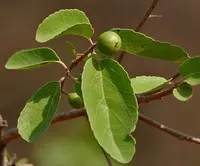
Thorn-Safe Harvesting

Use long-handled pruners and sturdy gloves when thinning branches or picking fruit, and selectively remove a few inward-facing thorny twigs each year to create safer access without over-thinning the canopy.

Windbreak Shaping

In windy sites, allow lower branches on the windward side to remain and shorten the top by light heading cuts so the plant forms a dense, wind-tolerant hedge rather than a tall, top-heavy tree.

Fruit Load Control

In years with heavy flowering, remove some young fruit clusters by hand so the remaining fruits size up better and branches are less likely to bend or crack under the weight.

Sanitation Against Scale

During late winter or early spring, inspect stems for scale insects and scrub affected areas gently with a soft brush dipped in soapy water before new growth starts, which supports healthier growth when growing governor's plum.

Common Pests and Diseases

Scale insects

This pest often clusters on young stems and the undersides of leaves, sucking sap and causing yellowing, stunted growth, and sticky honeydew on governor's plum shrubs and trees.

Solution

Prune and destroy heavily infested twigs, then wipe or gently scrub remaining colonies with a cloth or soft brush dipped in diluted insecticidal soap or horticultural oil, repeating every 7–14 days until no new scales appear. Ant control and regular inspection of new growth help prevent re-infestation when growing governor's plum as a hedge or small orchard tree.

Fruit borers

These insects tunnel into developing fruits, leading to premature fruit drop, small exit holes, and internal decay that makes the berries unmarketable or unusable.

Solution

Collect and destroy infested and fallen fruits promptly to break the life cycle, and use fine netting or bagging of fruit clusters where practical to reduce egg laying. For larger plantings, monitor with pheromone or light traps and time targeted biological or low-toxicity treatments to early larval stages based on local extension advice.

Leaf spot

This disease causes small, dark, sometimes angular spots on leaves that can merge into larger patches, leading to partial defoliation in humid or rainy conditions.

Solution

Remove and discard heavily infected leaves from the plant and ground, and prune interior branches lightly to increase airflow and speed drying after rain. If the problem recurs, apply a copper-based or other labeled fungicide at the start of wet periods, following local label directions and avoiding overhead watering where possible.

Powdery mildew

This disease produces a white to gray powdery coating on young leaves and shoots, which can curl, distort, and lose vigor, particularly in shaded or crowded canopies.

Solution

Thin dense branches to improve light and air movement, remove badly affected shoots, and avoid excessive nitrogen fertilization that promotes soft, susceptible growth. If needed, apply a sulfur-based or other registered powdery mildew fungicide at first signs of infection and repeat during extended warm, dry periods with high humidity.

Mealybugs

This pest appears as white, cottony clusters in leaf axils and on tender shoots, feeding on sap and producing honeydew that encourages sooty mold growth on foliage and fruit.

Solution

Dislodge light infestations with a strong water spray, then spot-treat remaining colonies using cotton swabs dipped in isopropyl alcohol or an insecticidal soap solution. For larger shrubs or trees, encourage natural enemies like lady beetles, reduce ant activity around the plant, and repeat horticultural oil sprays at intervals until populations decline.

Interesting Facts

Natural living fence

This small tree is widely used in tropical regions as a living fence because its stems often bear sharp spines that create an effective physical barrier against livestock and human intrusion.

Bird-dispersed pioneer

The dark purple fruits are readily eaten by birds and other animals, which disperse the seeds and help the species rapidly colonize disturbed or open habitats as a pioneer plant.

Tolerant of poor soils

The species shows notable tolerance to a range of soil conditions, including low-fertility and lateritic soils, which contributes to its success in marginal and degraded landscapes.

Botan icon

Did you know?

In some tropical regions, farmers deliberately plant dense rows of this species along field boundaries, then repeatedly prune and train the spiny branches to form tall, nearly impenetrable hedges that can function as long-term property borders without the need for wire fencing.

FAQs about governor's plum

Growth is typically moderate. Young plants may add 30–60 cm per year in warm climates with good moisture and nutrition. In cooler or drier areas, growth slows noticeably and plants may stay smaller and bushier.

Grow Healthy Plants with Botan Care

Keep your plants happy and healthy with plant identification, disease detection, and easy care guidance.

Botan plant care app — identify plants on mobile

Explore More Plants