Seed pod management
Harvest pods as they turn brown and begin to dry, leaving a portion on the plant so it can continue normal growth and avoid stress from over-harvesting.

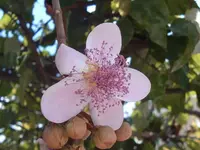
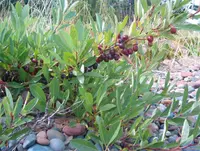
Lipsticktree, Bixa orellana, is a tropical evergreen shrub or small tree valued for its bright red, spiky seed pods used as a natural dye and spice. It has dense, glossy green leaves and can form a rounded, bushy shape in warm climates or protected spaces.
This species is native to tropical regions of Central and South America but is now grown in many warm, frost-free areas worldwide. It prefers consistent warmth, moderate moisture, and well-drained soil, which makes it relatively easy to care for lipsticktree in suitable climates or sheltered container culture.

Care Difficulty
Moderate Care

Light Preference
Full Sun

Water Requirements
Regular Water

Temperature Preference
Tropical / Frost Sensitive

Hardiness Zone
10–12

Soil Texture
Sandy, Loamy, Organic-rich

Soil pH
Acidic (5.5–6.5), Slightly acidic (6.5–7.0)

Soil Drainage
Moist but well-drained

Fertilization
Minimal (feed rarely)
Scan your plant to receive care tips personalized for your specific plant
Available on iOS and Android
Bixa orellana develops best with strong light similar to its tropical origin.
This shrub prefers steady moisture without remaining waterlogged.
This tropical shrub thrives in consistently warm conditions without frost exposure.
This species prefers moderately humid air but usually adapts to typical indoor and patio conditions.
This species grows best in loose, well-drained, organically enriched soil that does not stay waterlogged.
This shrub can be grown in containers for several years if the pot supports its woody root system and above-ground weight.
This tropical shrub benefits from light, consistent feeding in warm months but does not need heavy fertilization.
Thoughtful pruning helps maintain size, structure, and flowering quality of Bixa orellana.
This species is usually grown in-ground, so transplanting young plants correctly is more important than frequent repotting.
Bixa orellana is most often propagated from seed, though semi-hardwood cuttings are also possible for home growers.
This tropical tree is frost-sensitive and needs careful winter management in regions cooler than USDA zone 10.

Plant Health Check
Not sure what's wrong with your plant? Check your plant's health inside the app.
The seed coat of this species is rich in carotenoid pigments, especially bixin and norbixin, which give an intense orange-red color widely used as a natural food coloring and in cosmetics.
Archaeological and ethnobotanical evidence indicates that Indigenous peoples of tropical America domesticated this shrub long before European contact, selecting it primarily for its dye-rich seeds rather than for timber or fruit.
The plant produces numerous small, nectar-bearing flowers that attract bees and other insects, while its spiny, dehiscent capsules open to expose sticky, brightly colored seeds that can be spread by animals and water.

Annatto from this species is one of the few plant-derived colorants that remains relatively stable under both heat and light, which is why it has been adopted worldwide to color cheeses, butter, snacks, and many processed foods without major loss of color during cooking or storage.
Flowering often declines when light is too low, nutrition is poor, or pruning removes young wood where buds form. Ensure warm conditions, consistent moisture, and balanced fertilizer. Light, non-aggressive pruning after fruiting supports better bud formation.
Keep your plants happy and healthy with plant identification, disease detection, and easy care guidance.