Encourage Bushy Shape
Pinch back 2–3 cm of the soft tips on young shoots in late spring to stimulate branching and create a denser, more wind-resilient plant.

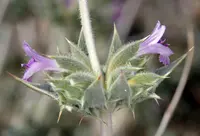
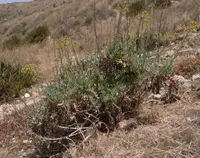
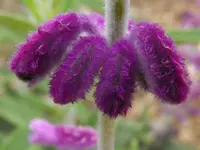
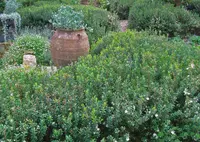
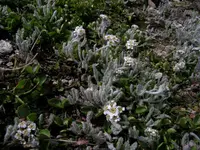
Lavender sage, Salvia greatae, is a woody perennial shrub valued for its fragrant foliage and showy, lavender-purple flower spikes. It usually forms a compact, bushy mound with narrow, gray-green leaves.
This species is native to dry, rocky areas of California, so it is naturally adapted to heat, sun, and low rainfall. Its drought tolerance and tough structure generally make it easier to maintain once established, provided drainage is good.
Gardeners who want to learn how to care for lavender sage often choose it for low-water gardens, borders, or wildlife-friendly plantings, since the flowers attract pollinators like bees and hummingbirds.

Care Difficulty
Moderate Care

Light Preference
Full Sun

Water Requirements
Low Water

Temperature Preference
Warm Climate

Hardiness Zone
8–10

Soil Texture
Sandy, Loamy, Rocky

Soil pH
Slightly acidic (6.5–7.0), Neutral (7.0)

Soil Drainage
Well-drained

Fertilization
Minimal (feed rarely)
Scan your plant to receive care tips personalized for your specific plant
Available on iOS and Android
This sun-loving shrub from arid habitats needs strong light to flower and stay compact.
This drought-adapted species prefers deep, infrequent watering rather than constant moisture.
This species prefers warm, dry conditions and is sensitive to prolonged frost and extreme humidity.
This species handles low atmospheric moisture well, so humidity is rarely a limiting factor.
Salvia greatae prefers sharply drained, mineral-lean soils that do not stay wet.
This species can be grown in containers if drainage and root space are carefully managed.
This drought-adapted shrub needs modest feeding to support flowering without forcing lush, weak growth.
Thoughtful pruning helps maintain the natural form of Salvia greatae and encourages better flowering.
This species is most often grown in the ground, so focus on careful site planting rather than frequent repotting.
Salvia greatae is commonly propagated by semi-ripe cuttings and sometimes by seed.
This desert-adapted shrub is moderately frost tolerant but benefits from some winter root-zone protection in colder areas.

Plant Health Check
Not sure what's wrong with your plant? Check your plant's health inside the app.
This shrub is naturally restricted to a small section of the western Mojave Desert in southern California, primarily in the foothills of the San Bernardino Mountains on alluvial fans and gravelly washes.
It often grows along ephemeral desert washes, where its root system can exploit brief pulses of water from infrequent storms while tolerating long dry periods between rain events.
The species is a characteristic component of desert scrub and Joshua tree woodland, contributing to the shrub layer and providing structure and cover in these arid ecosystems.

Salvia greatae is considered a rare regional endemic in California and is listed by the California Native Plant Society on its inventory of rare and endangered plants, reflecting concern about its limited distribution and habitat pressures.
Lack of flowers often comes from too much shade, excess nitrogen fertilizer, or heavy pruning at the wrong time. Ensure strong light, avoid rich, high-nitrogen feeding, and prune lightly after flowering, not in late winter or early spring.
Keep your plants happy and healthy with plant identification, disease detection, and easy care guidance.