Salvia Care (Salvia leucantha 'Midnight')

Also known as: Mexican Bush Sage
Salvia

About Salvia

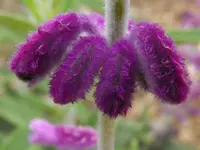
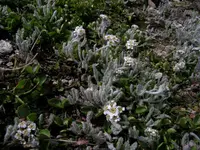
Salvia leucantha 'Midnight', often called Mexican bush sage, is a shrubby perennial grown mainly for its rich purple, velvety flower spikes. It forms a graceful, arching mound of soft, narrow foliage that gives good structure in mixed borders.

This cultivar originates from Mexico and Central America, where it grows in warm, sunny conditions with well-drained soil. In gardens it is valued for long flowering, reliable growth, and strong performance in mild climates.

It is generally considered easy to grow, provided it receives enough light and is not kept in soggy ground. These traits make it a suitable choice for gardeners learning how to care for Salvia.

Main Plant Requirements

Care Difficulty

Easy Care

Light Preference

Full Sun

Water Requirements

Low Water

Temperature Preference

Tropical / Frost Sensitive

Hardiness Zone

8–10

Soil Texture

Sandy, Loamy, Organic-rich

Soil pH

Acidic (5.5–6.5), Slightly acidic (6.5–7.0)

Soil Drainage

Well-drained

Fertilization

Minimal (feed rarely)

Get Personalized Care Plan

Scan your plant to receive care tips personalized for your specific plant

Available on iOS and Android

How to Care for the Salvia

This sun-loving perennial thrives in bright, direct light but tolerates some shade in hot climates.

  • Provide 6–8 hours of direct sun daily, ideally with strong morning sun and lighter afternoon exposure in very hot regions.
  • Allow light afternoon shade in zones with intense summer heat to reduce leaf scorch and stress, especially on reflected-heat sites near walls or pavement.
  • Watch stems and flowering: lanky, leaning growth and sparse blooms indicate insufficient light, while crisped leaf edges suggest too much intense afternoon sun.

This plant prefers deep, infrequent watering in sharply drained soil.

  • Water when the top 3–5 cm of soil feels dry, soaking the root zone thoroughly, then allow the soil to dry again before the next watering.
  • Reduce watering in cool seasons or when growth slows, but do not let the root area stay bone-dry for long during extended drought.
  • Use well-drained, gritty soil or amended garden beds; yellowing, soft stems suggest overwatering, while dull, drooping leaves that do not perk up overnight suggest underwatering.

This warm-season perennial grows best in mild to hot conditions and dislikes frost.

  • Aim for 65–85°F (18–29°C) during active growth, which supports strong stems and flowering through late spring to early fall.
  • Protect the plant when temperatures drop near 30–32°F (-1–0°C); light frost may damage top growth, but roots often survive in mild climates with mulch.
  • In heat above 95°F (35°C), flowering may slow; provide mulch and occasional afternoon shade to keep roots cooler and limit stress.

This plant tolerates a wide humidity range and rarely needs special humidity management outdoors.

  • Target 30–60% humidity; typical outdoor air in most regions is sufficient for healthy growth.
  • Dry indoor air is usually tolerated, but prolonged exposure below 30% may slightly crisp leaf tips and edges.
  • If leaf tips brown and buds dry before opening, lightly mist foliage in the morning or group plants to raise local humidity modestly.

This species prefers sharply drained, moderately fertile soil that never stays waterlogged.

  • Use a sandy or loamy structure with coarse particles so water drains freely and roots stay aerated.
  • Aim for slightly acidic to neutral pH, around 6.0–7.0, which supports nutrient availability without excess salt buildup.
  • Mix roughly 50–60% standard potting mix with 20–30% coarse sand and 20–30% perlite or fine gravel to improve drainage.
  • Avoid heavy clay, compacted sites, or mixes rich in peat that hold water for long periods and promote root rot in Salvia leucantha 'Midnight'.

This species is well suited to container growing outdoors when drainage and stability are managed carefully.

  • Choose a wide, relatively deep pot that allows a spreading root system and balances the tall, arching stems against wind sway.
  • Use a heavier material such as ceramic or thick-walled terracotta in windy spots to prevent the container from tipping over.
  • Fill the pot to just below the rim so water does not wash out the free-draining mix during heavy rain or frequent watering.

This plant responds well to moderate feeding that supports flowering without excessive leafy growth.

  • Use a balanced liquid or water-soluble fertilizer (around 10-10-10 or 15-15-15) diluted to 1/2 strength for caring for Salvia.
  • Feed every 4–6 weeks during active growth in spring and summer, applying to moist soil.
  • Incorporate light compost or a slow-release granular feed in spring for steady nutrients.
  • Stop feeding in late fall and winter when growth slows, especially in cooler climates.

Thoughtful pruning keeps Salvia leucantha 'Midnight' compact, tidy, and floriferous.

  • In late winter or very early spring, cut back old stems to 10–20 cm above the ground to encourage strong new shoots.
  • Through the growing season, remove spent flower spikes and any dead or damaged stems with clean, sharp shears.
  • Thin crowded interior stems to improve air movement and reduce disease risk.
  • Lightly shape the outer stems in midsummer if plants sprawl into paths or neighboring plants.

Salvia leucantha 'Midnight' is often grown in the ground but can adapt to containers if transplanted thoughtfully.

  • Plan major transplanting or repotting in early spring, before vigorous new growth begins.
  • In containers, look for roots circling the pot, reduced flowering, or slow growth as signs it needs a 1–2 in wider container.
  • Use a free-draining mix and replant at the same soil level, spreading roots gently to limit stress.
  • Water thoroughly after moving and shade for a few days, then return gradually to full sun conditions.

New Salvia leucantha 'Midnight' plants are commonly produced from cuttings and division.

  • Take 8–10 cm softwood or semi-ripe stem cuttings in late spring to summer, removing lower leaves.
  • Insert cuttings into a moist, free-draining mix, and keep in bright, indirect light with high humidity until rooted.
  • Divide mature clumps in spring, replanting sections promptly and watering well to settle soil.
  • Seeds are less reliable for true-to-type plants, so use mainly cuttings or division for consistent results.

Cold sensitivity means this plant often needs some level of winter protection outside frost-free climates.

  • In mild regions, cut back frosted growth after danger of hard freezes and apply a 5–8 cm mulch over the root zone.
  • In colder areas, treat as a tender perennial, lifting or taking cuttings before hard frost to preserve the cultivar.
  • For container plants, move pots indoors to a bright, cool, frost-free space and reduce watering during winter.

Care Tips

Staggered Pinching

Pinch back only half the stems in late spring, leaving the rest unpinched, so you get a first flush of flowers on tall stems followed by a second flush on shorter, bushier growth for a longer display.

Discreet Wind Support

In windy sites, insert low, semicircular border supports or short peony rings around young clumps so stems grow through the support and stay upright without visible staking once the plant fills out.

Targeted Deadheading

After each flowering wave, remove only the spent flower spikes down to the first strong side shoot to encourage rapid rebloom while preserving the plant’s overall shape.

Overwintering Cutback Strategy

In mild climates, leave old stems in place over winter for crown protection and beneficial insect shelter, then cut them back hard only when new basal shoots are clearly visible in late winter or early spring.

Propagation Rotation

Take 7–10 cm softwood tip cuttings from non-flowering shoots in late spring, root them in a sharply draining mix, and plant the best new clones each year to maintain vigorous, uniform plants when growing Salvia over several seasons.

Everything About Salvia

Common Pests and Diseases

Aphids

This pest often clusters on tender shoot tips and flower stems, sucking sap and causing distorted growth and sticky honeydew on Mexican bush sage.

Solution

Prune off heavily infested shoot tips, then wash remaining stems with a strong but controlled stream of water. For ongoing problems, use insecticidal soap or a light horticultural oil, applied in the early morning and repeated every 7–10 days until populations drop, and avoid overfertilizing to reduce soft, aphid-prone growth when growing Salvia leucantha 'Midnight'.

Spider mites

These insects favor hot, dry conditions and cause fine stippling on leaves, dull foliage color, and fine webbing between stems and leaves.

Solution

Increase humidity around the plant and hose down foliage thoroughly, including undersides of leaves, to physically remove mites. If needed, apply insecticidal soap or a horticultural oil labeled for mites, repeating applications and improving airflow to discourage reinfestation.

Whiteflies

This pest congregates on the undersides of leaves, flying up in a small cloud when the plant is disturbed and leaving honeydew that can lead to sooty mold.

Solution

Inspect the undersides of leaves regularly, removing heavily infested foliage and disposing of it in the trash. Use yellow sticky traps to monitor and reduce adult numbers, and treat the foliage with insecticidal soap or neem oil, ensuring thorough coverage of leaf undersides and repeating as needed.

Botrytis blight

This disease develops in cool, humid, or poorly ventilated conditions, causing soft, brown spots on flowers and stems that can develop gray, fuzzy mold.

Solution

Promptly remove and discard all affected flowers and stems, and thin crowded growth to increase airflow around the plant. Water at soil level rather than overhead and, in severe or persistent cases, apply a fungicide labeled for Botrytis, especially during cool, damp periods.

Interesting Facts

Velvet-textured calyces

This cultivar is known for its deep purple, velvety calyces that remain ornamental even after individual flowers drop, extending the apparent bloom display well into late fall in mild climates.

Late-season nectar resource

In many frost-free or mild USDA zones, it flowers from late summer to first frost, providing a valuable late-season nectar source for hummingbirds and other pollinators when many other garden plants have finished.

Sterile hybrid selection

Salvia leucantha 'Midnight' is generally considered a selected ornamental form that is functionally sterile or very low in seed production, so it tends not to self-sow or become weedy compared with some other Salvias.

Botan icon

Did you know?

Horticultural observations over many years show that Salvia leucantha 'Midnight' can maintain flowering during short-day conditions when nights lengthen in autumn, which makes it particularly useful for extending visual interest and pollinator support late into the season compared with many long-day flowering perennials.

FAQs about Salvia

Poor flowering usually comes from insufficient light, excessive nitrogen fertilizer, or old, woody stems. Trim back after flowering to stimulate new shoots, avoid high-nitrogen feeds, and ensure plants are not shaded by taller shrubs or structures.

Grow Healthy Plants with Botan Care

Keep your plants happy and healthy with plant identification, disease detection, and easy care guidance.

Botan plant care app — identify plants on mobile

Explore More Plants