marcela Care (Achyrocline satureioides)

marcela

About marcela

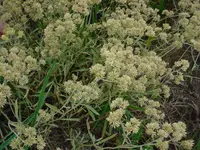
Marcela (Achyrocline satureioides) is a small, aromatic herb from the daisy family, traditionally valued as a medicinal and tea plant. It forms low, branching clumps with narrow, gray-green leaves and clusters of small yellow to cream flower heads.

In nature it occurs mainly in grasslands and open fields of South America, especially in Brazil, Uruguay, Argentina, and Paraguay. It is generally considered undemanding, which makes it relatively easy to care for marcela in home gardens and small-scale plantings.

This species prefers sunny, open sites, well-drained soil, and moderate moisture, and it tolerates some drought once established.

Main Plant Requirements

Care Difficulty

Moderate Care

Light Preference

Full Sun

Water Requirements

Moderate Water

Temperature Preference

Warm Climate

Hardiness Zone

9–11

Soil Texture

Sandy, Loamy, Organic-rich

Soil pH

Acidic (5.5–6.5), Slightly acidic (6.5–7.0)

Soil Drainage

Well-drained

Fertilization

Minimal (feed rarely)

Get Personalized Care Plan

Scan your plant to receive care tips personalized for your specific plant

Available on iOS and Android

How to Care for the marcela

This sun-loving herb thrives in bright, open conditions similar to its native grassland habitat.

  • Provide 6–8 hours of direct sun daily; morning sun with light afternoon exposure is ideal for marcela growth and flowering.
  • Tolerates light partial shade, but stems become weaker and flowering decreases if sun drops below about 4 hours per day.
  • In very hot climates, give light afternoon shade to reduce scorching and leaf bleaching, and ensure taller plants do not cast dense shade over it in summer.

This species prefers slightly dry conditions and is more tolerant of drought than excess moisture.

  • Allow the top 3–5 cm of soil to dry before watering; soil should feel dry, not cool and clammy, when you press a finger in.
  • During active growth, water thoroughly but let excess drain away; reduce frequency in cooler seasons when growth slows and evaporation drops.
  • Watch for yellowing, soft stems as a sign of overwatering and crisp, drooping leaves as a sign the Achyrocline satureioides needs a deeper soak.

This warm-temperate herb prefers mild conditions and does poorly in prolonged cold or frost.

  • Aim for 65–80°F (18–27°C) for strongest growth, especially in spring and early summer when plants establish and branch.
  • Plants tolerate brief drops to about 40°F (4°C) but are damaged or killed by frost; provide protection or grow as a warm-season annual where winters are cold.
  • In hot summers up to 90–95°F (32–35°C), growth usually remains steady if soil is not waterlogged and roots are lightly mulched to limit heat stress.

This species tolerates a wide humidity range and rarely needs special humidity management indoors or outdoors.

  • Aim for 30–50% humidity; typical indoor air in heated or air-conditioned homes is usually adequate for marcela.
  • Expect mild leaf edge browning and slightly drooping stems during very dry spells below 25%, especially with strong sun or hot wind.
  • If air is extremely dry, grouping pots together or placing a shallow water tray nearby can modestly increase local humidity without over-wetting foliage.

This plant prefers lean, fast-draining soil that mimics dry grassland or sandy field conditions.

  • Use a sandy or sandy-loam mix, such as 50–60% coarse sand plus 30–40% all-purpose potting mix and 10–20% perlite for extra air space.
  • Keep drainage sharp; water should run through quickly, leaving the top 2–3 cm dry again within a day in warm weather.
  • Aim for slightly acidic to neutral pH, around 6.0–7.2, which supports nutrient uptake without encouraging excessive lush, weak growth.
  • Avoid heavy clay, compacted, or waterlogged substrates, which promote root rot and shorten the lifespan of Achyrocline satureioides.

This species is well suited to container growing for easier control of drainage and exposure.

  • Choose a wide, shallow to medium-depth pot to accommodate its fibrous roots and spreading habit without holding unnecessary moisture at the bottom.
  • Use a breathable clay or unglazed terracotta container if conditions are humid, as it helps excess moisture evaporate faster.
  • Place the pot where wind cannot tip it over, since tall flowering stems can make the container top-heavy when in full bloom.

This drought-tolerant herb needs only light feeding in moderately fertile soil, so marcela indoor care stays simple.

  • Use a balanced liquid fertilizer (around 10-10-10) at 1/2 strength for container plants in spring–summer.
  • Feed every 4–6 weeks during active growth if foliage looks pale or growth is weak.
  • Avoid fertilizing in fall–winter when growth slows, to prevent leggy, soft shoots.
  • Compost or a mild organic slow-release product can be mixed into potting soil at planting.

Pruning Achyrocline satureioides is mainly done to keep plants compact and encourage fresh flowering growth.

  • Carry out shaping and cleanup in late winter or early spring before strong new growth.
  • Remove dead, damaged, or crossing stems with clean, sharp scissors or hand pruners.
  • Lightly shorten lanky shoots after flowering to maintain a bushy, upright habit.
  • Avoid cutting into very old, woody bases; focus on young, flexible stems.

This species is often grown in the ground, but container plants or seedlings benefit from occasional transplanting.

  • Transplant in spring once frost danger has passed and plants show active new growth.
  • Move plants when roots circle the pot, growth slows, or soil dries out very quickly.
  • Shift to a container just 2–5 cm wider, using a well-drained sandy mix to limit shock.
  • Handle roots gently, keep the root ball slightly moist, and shade lightly for a few days after moving.

Propagation of Achyrocline satureioides is most reliable from seed, with warm, bright conditions for germination.

  • Sow fresh seeds in late winter–spring on the surface of a light, well-drained seed mix.
  • Press seeds in gently without burying, as they need light for best germination.
  • Maintain 68–75°F, steady moisture, and good air movement until seedlings appear.
  • When seedlings have several true leaves, harden them off, then transplant into individual pots or the garden.

In mild climates this plant needs minimal winter care, but colder regions require some basic protection.

  • It tolerates light frost but may be damaged by prolonged freezes below about 25°F.
  • In the ground, apply a 5–8 cm mulch layer around the root zone, keeping it off the stems.
  • For containers, move pots into a bright, frost-free space or an unheated garage during hard freezes.

Care Tips

Timed harvesting

Harvest flower heads in the morning after dew has dried, when most florets are fully open but not fading, to maximize essential oil content and drying quality.

Successive sowing

Stagger sowings every 3–4 weeks in spring and early summer so flower production is continuous rather than in a single short flush.

Airy drying bundles

When drying stems, tie only 8–12 thin stems per bundle and hang them upside down in a dark, well-ventilated space to avoid mold and preserve flower color.

Wind exposure management

In open or windy sites, install low mesh or wire supports along the row so stems lean on the structure instead of lodging or snapping near flowering time.

Rotation and spacing

Rotate plantings yearly away from other Asteraceae and maintain generous in-row spacing to reduce foliar diseases and make caring for marcela easier during wet periods.

Common Pests and Diseases

Aphids

These insects cluster on young stems and flower stalks, sucking sap and causing distortion, sticky honeydew, and reduced flowering. This pest is often observed in field-grown marcela and can spread quickly in dense stands.

Solution

Rinse plants with a firm stream of water to dislodge colonies, then use insecticidal soap or a dilute potassium soap spray, making sure to cover stems and flower stalks. Encourage or introduce natural predators such as lady beetles and avoid excess nitrogen fertilization, which favors aphid outbreaks.

Leaf miners

These insects create winding, pale tunnels inside leaves of marcela, reducing photosynthetic area and weakening plants grown for foliage and flowers. Symptoms include thin, serpentine trails that turn brown as tissues die.

Solution

Remove and destroy mined leaves as soon as they are noticed to break the life cycle. For larger plantings, use yellow sticky traps to monitor adult flies and, if needed, apply a leaf miner–specific biological product based on Bacillus thuringiensis or spinosad, targeting young larvae.

Powdery mildew

This disease produces white, powdery patches on leaves and stems, which can cause yellowing, leaf curling, and reduced flower quality in humid but not overly wet conditions. Symptoms often start on lower, shaded leaves in crowded plantings.

Solution

Improve air circulation by increasing spacing, thinning dense patches, and avoiding overhead watering in the evening. Remove heavily infected leaves and, if disease persists, apply a sulfur or potassium bicarbonate fungicide, coating both upper and lower leaf surfaces.

Botrytis blight

This disease causes soft, water-soaked spots on flower heads and upper stems that turn brown and develop gray, fuzzy mold, especially during cool, damp weather. Symptoms include poor drying quality of flower heads harvested for medicinal use.

Solution

Remove and discard affected flower heads and stems promptly and avoid wetting the flowers when irrigating. Provide good airflow, harvest only dry flower clusters, and if necessary use a labeled biological fungicide based on Trichoderma or Bacillus species to protect developing inflorescences.

Interesting Facts

Long-lasting dry flowers

The flower heads retain their yellow color and structure for a long time after drying, which is why the plant is often harvested and stored as dried bunches rather than used fresh.

South American steppe native

This species naturally occurs in open grasslands and campos of southern South America, especially in Brazil, Uruguay, Argentina, and Paraguay, where it forms part of the native herbaceous flora.

Chemically variable populations

Different wild populations show distinct essential oil compositions, with varying proportions of compounds like α-pinene and limonene, which has led researchers to describe multiple chemical races or chemotypes within the species.

Botan icon

Did you know?

In parts of southern Brazil and Uruguay, this species is considered culturally emblematic enough that large seasonal harvests from wild populations have triggered conservation and management studies to prevent overexploitation of natural stands.

FAQs about marcela

Lack of flowers usually comes from insufficient light, nutrient-poor or overly rich soil, or irregular pruning. Ensure full sun, avoid heavy nitrogen fertilizers, and lightly trim after flowering to stimulate new, flower-bearing growth next season.

Grow Healthy Plants with Botan Care

Keep your plants happy and healthy with plant identification, disease detection, and easy care guidance.

Botan plant care app — identify plants on mobile

Explore More Plants