Moss anchoring method
Press fresh fragments firmly onto rough, clean rock or bark and secure with biodegradable mesh or fishing line for 4–6 weeks so the moss can attach before the first strong rains or heavy irrigation.

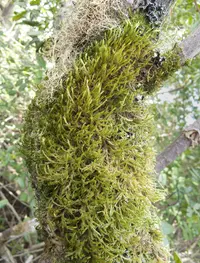
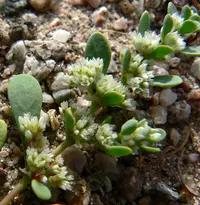
California alsia moss (Alsia californica) is a small, mat-forming bryophyte that grows tightly against rocky surfaces and soil crusts. It forms low, dense cushions rather than tall, leafy stems.
This species is native to parts of coastal and inland California, often found in seasonally moist, well-drained habitats with good air movement. Its slow growth and sensitivity to drying make it somewhat challenging to establish.
Successful care for California alsia moss depends on stable moisture, mild temperatures, and protection from heavy disturbance. It responds best to bright, indirect light and a clean, low-nutrient substrate that does not stay waterlogged.

Care Difficulty
Moderate Care

Light Preference
Partial Shade

Water Requirements
Moderate Water

Temperature Preference
Warm Climate

Hardiness Zone
Unknown

Soil Texture
Loamy

Soil pH
Slightly acidic (6.5–7.0)

Soil Drainage
Well-drained

Fertilization
Minimal (feed rarely)
Scan your plant to receive care tips personalized for your specific plant
Available on iOS and Android
This coastal moss prefers bright, cool light with protection from intense midday sun.
This species prefers consistently moist but not waterlogged conditions.
This moss favors mild, coastal-type temperatures and dislikes extremes.
This moss prefers moderately moist air but tolerates typical indoor humidity if the substrate stays evenly damp.
Alsia californica thrives in a loose, moisture-retentive yet airy substrate that never becomes waterlogged.
This species adapts well to shallow container culture when moisture and drainage are tightly controlled.
This native moss-like liverwort typically needs no added fertilizer when grown on suitable, low-nutrient substrates.
Alsia californica requires no intentional pruning; simply avoid disturbance of its mats to maintain healthy growth.
Transplanting Alsia californica is seldom recommended, as it adheres tightly to its substrate and resents disturbance.
Propagation of Alsia californica is possible but specialized and most appropriate for conservation or research settings.
This species is generally winter hardy in its native range and needs minimal intervention outdoors.

Plant Health Check
Not sure what's wrong with your plant? Check your plant's health inside the app.
Alsia californica is a moss recorded from specific coastal localities in California, where it grows in very narrow habitat conditions rather than being widespread across North America.
This species has been documented on particular rock or bark substrates in humid coastal zones, reflecting a preference for stable, shaded microhabitats with steady moisture and limited disturbance.
Because it depends on consistent humidity and shelter from direct sun and wind, its presence can indicate relatively cool, moist microsites even within otherwise dry coastal landscapes.
Growth is generally slow to moderate. In suitable outdoor conditions it forms low mats that expand a few centimeters per year. Cooler temperatures, low light, and nutrient-poor substrates slow expansion, while consistent moisture and mild coastal climates support steady coverage.
Keep your plants happy and healthy with plant identification, disease detection, and easy care guidance.