foothill deervetch Care (Acmispon brachycarpus)

foothill deervetch

About foothill deervetch

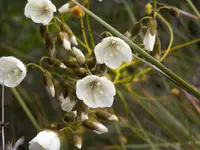
Foothill deervetch (Acmispon brachycarpus) is a small annual wildflower in the legume family, typically forming low, spreading patches. It carries delicate, pinnate leaves and small yellowish to cream pea-like flowers that attract native pollinators.

This species is native to dry foothills and open slopes in western North America, often found in rocky or sandy soils. It generally prefers full sun and well-drained, lean soils, which makes it suitable for low-water, naturalistic plantings.

Once established, it usually needs minimal input, but good drainage is key. Gardeners who learn how to care for foothill deervetch often value it for restoring native-style plantings and supporting local wildlife.

Main Plant Requirements

Care Difficulty

Easy Care

Light Preference

Full Sun

Water Requirements

Low Water

Temperature Preference

Warm Climate

Hardiness Zone

7–10

Soil Texture

Sandy, Loamy, Rocky

Soil pH

Slightly acidic (6.5–7.0), Neutral (7.0)

Soil Drainage

Well-drained

Fertilization

Minimal (feed rarely)

Get Personalized Care Plan

Scan your plant to receive care tips personalized for your specific plant

Available on iOS and Android

How to Care for the foothill deervetch

This species prefers bright, open conditions similar to its native dry foothill habitats.

  • Provide 6–8 hours of direct sun daily; morning to early afternoon sun is ideal for foothill deervetch in most climates.
  • In hotter inland areas, give full morning sun with light afternoon shade to reduce leaf scorch and moisture stress.
  • Plants tolerate light partial shade (around 3–4 hours direct sun), but flowering and compact growth decline in deeper shade.

This dry-adapted legume prefers infrequent, deep watering rather than constant moisture.

  • Water only when the top 3–5 cm of soil feels completely dry; in the ground this may mean every 7–14 days in warm, dry weather.
  • Use sharply drained, sandy or gravelly soil so water moves through quickly; avoid any spots where water pools after rain for Acmispon brachycarpus.
  • Reduce watering in cool seasons and watch for yellowing, soft stems as a sign of overwatering, or dull, folding leaves as early drought stress.

This species is adapted to warm, dry climates with mild winters and tolerates a fair temperature range.

  • Aim for active growth in 65–85°F (18–29°C); flowering and nodulation are most reliable within this range.
  • Mature plants usually tolerate down to about 20–25°F (-6 to -4°C) with brief light frosts, but repeated hard freezes can damage foliage and stems.
  • Heat tolerance is good up to 95–100°F (35–38°C) if soil is well drained; in heat waves, avoid additional stress from waterlogged or compacted soil.

This species from dry habitats is highly tolerant of low humidity, so indoor air levels are usually acceptable.

This dryland legume prefers lean, well-aerated, fast-draining soil that does not stay wet.

  • Use a sandy or gravelly loam with low to moderate organic matter to mimic its native slopes.
  • Ensure very rapid drainage by blending 40–60% coarse sand or fine gravel into a standard loam-based mix.
  • Aim for slightly acidic to slightly alkaline pH around 6.0–7.5, avoiding strongly acidic conditions.
  • Avoid compacted clay, peat-heavy mixes, or any substrate that holds water around the roots for longer than 1–2 days.

This species can be grown in containers if the pot is prepared for very sharp drainage and dry-leaning conditions.

  • Choose a wide, shallow pot so the spreading root system can occupy the surface zone without becoming waterlogged in depth.
  • Use a mineral-heavy mix and elevate the pot on feet or bricks to speed drainage away from the base.
  • Select unglazed terracotta to increase evaporation and prevent the substrate staying wet after infrequent but deep waterings of foothill deervetch.

This nutrient-efficient native legume usually needs little or no fertilizer when grown in suitable soil.

Acmispon brachycarpus needs only light, corrective pruning to maintain vigor and access paths.

  • Carry out any pruning after main flowering and seed set to avoid removing current-season blooms.
  • Use clean, sharp hand pruners to remove dead, diseased, or storm-damaged stems at their base.
  • Thin crowded, sprawling stems sparingly to keep a low, open form and good air flow without over-cutting.
  • Avoid hard renovation cuts; this small wild species responds best to minimal, selective pruning.

This species is usually grown in the ground; focus on careful transplanting of young plants rather than frequent repotting.

  • Transplant in late winter to early spring, while plants are small and conditions are cool and moist.
  • Move only when roots lightly fill the starter pot; circling roots or stalled growth indicate it is time.
  • Lift with a generous soil plug, keeping the fine root system intact and shaded during transfer.
  • Replant into well-drained, low-fertility soil, water in thoroughly once, then allow soil to dry slightly between light irrigations.

Propagation of Acmispon brachycarpus is most reliable from seed under open, sunny conditions.

  • Collect mature, dry pods and clean seeds at the end of the growing season.
  • Scarify seeds lightly with sandpaper or a brief hot-water soak to speed germination.
  • Sow in late fall to early spring in a very well-drained, gritty mix, barely covering the seed.
  • Keep trays cool, bright, and just slightly moist; avoid overwatering, which reduces seedling survival.

In its native range this small legume is generally cold hardy and needs little specific winter care once established.

  • In regions with wet winters, prioritize sharp drainage to prevent root rot in cold, saturated soils.
  • Apply a light, gravelly mulch around, not against, stems to limit heaving from freeze–thaw cycles.
  • For container plants in colder zones, move pots to a sheltered, unheated but frost-sheltered position.

Care Tips

Early-season inoculation

Before sowing, dust or soak seeds with a legume-specific Rhizobium inoculant to improve nodulation and nitrogen fixation in low-organic soils.


Targeted seed scarification

Gently rub seeds between fine sandpaper or briefly dip in hot (not boiling) water to break hard seed coats and achieve more even, faster germination.

Minimal-competition zone

For the first season, keep a 10–15 cm weed-free ring around each plant by shallow hand weeding or spot mulching with a thin mineral mulch so roots establish without competition.

Light-touch staking

In windy, open sites, use low bamboo canes or wire hoops to loosely guide stems and prevent abrasion or lodging while still allowing a natural, slightly trailing form.

Seed bank renewal

Allow a portion of pods to fully mature and shatter in place each year so a persistent soil seed bank develops, which is one of the most reliable ways of growing foothill deervetch in restoration-style plantings.

Common Pests and Diseases

Seedling damping-off

This disease attacks emerging seedlings at soil level, causing stems to collapse and young plants to die rapidly. Symptoms include water-soaked, pinched stems and poor emergence in nursery trays or restoration plantings.

Solution

Use clean, well-draining sandy or gritty substrates and avoid overwatering during germination. Discard infected trays, improve air circulation, and if losses are recurrent, pre-treat seed or media with a biological fungicide labeled for damping-off in native legumes.

Fusarium wilt

This disease causes gradual yellowing, stunting, and wilting, often starting on one side of the plant before spreading. Symptoms include brown discoloration in lower stems or roots when split open.

Solution

Remove and destroy affected plants, including as much root as possible, and avoid replanting foothill deervetch or closely related legumes in the same spot for several years. Improve drainage, reduce irrigation frequency, and in restoration or nursery settings, use pathogen-free seed and sterilized or fresh media to reduce Fusarium build-up.

Seed weevils

These insects develop inside seed pods and consume developing seeds, reducing viable seed set in wild or restoration stands. Symptoms include small exit holes in dry pods and a high proportion of empty or damaged seeds at cleaning time.

Solution

Collect seed slightly before pods are fully dry and allow them to finish drying in breathable bags away from infested stands, then screen and freeze dry seed for several days to kill remaining larvae. In field settings, maintain plant diversity and natural predator habitat rather than relying on broad-spectrum insecticides, which can harm beneficial insects important for growing foothill deervetch.

Aphids

These insects cluster on young shoots and flower stalks, sucking sap and excreting sticky honeydew. Symptoms include distorted new growth, reduced flowering, and occasionally sooty mold on leaves where honeydew accumulates.

Solution

For small infestations, dislodge aphids with a firm stream of water or pinch off heavily infested tips. In larger plantings, encourage natural enemies such as lady beetles, avoid excess nitrogen fertilization that promotes soft growth, and if needed apply insecticidal soap directly to affected shoots, repeating as label directions specify.

Powdery mildew

This disease appears as a white, powdery coating on leaves and stems, usually under warm, dry daytime conditions with cooler nights. Symptoms include reduced vigor, premature leaf drop, and less flowering in dense, irrigated plantings or nursery blocks.

Solution

Increase spacing and airflow, water at soil level rather than overhead, and remove heavily infected plant material before spores spread. In nurseries or high-value seed blocks, use a sulfur or potassium bicarbonate product labeled for powdery mildew on ornamental or native legumes, applying at the first sign of infection and following label intervals.

Interesting Facts

Specialized desert annual

This foothill deervetch is a small, short-lived annual legume adapted to dry foothill and desert margins of the western United States, completing its life cycle quickly before summer drought intensifies.

Distinctive inflated pods

After flowering, it develops small, somewhat inflated seed pods that give the plant a beaded appearance and help distinguish it from closely related Acmispon species in the field.

Nitrogen-fixing partner

Like many legumes, this species forms root nodules with symbiotic bacteria that fix atmospheric nitrogen, enriching poor, sandy, or rocky soils where it commonly grows.

FAQs about foothill deervetch

This species behaves as a small, short-lived annual in most sites. It completes its life cycle in a single growing season, sets seed, then dies back, relying on a persistent soil seed bank for regeneration.

Grow Healthy Plants with Botan Care

Keep your plants happy and healthy with plant identification, disease detection, and easy care guidance.

Botan plant care app — identify plants on mobile

Explore More Plants