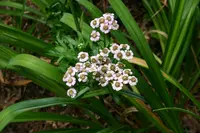
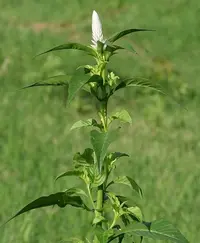
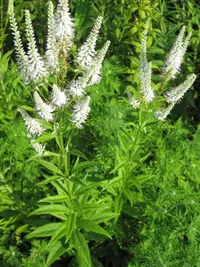
Sierra Lotus Care (Acmispon decumbens)

Also known as: Nevada Bird's-foot-trefoil, Nevada deer-vetch
Sierra Lotus

About Sierra Lotus

Sierra lotus (Acmispon decumbens) is a small, low-growing legume native to dry, open habitats in western North America, including California grasslands and chaparral. It typically forms spreading mats with fine, divided leaves and small yellow to orange pea-like flowers that attract native bees and other pollinators.

This species is adapted to lean, well-drained soils and seasonal drought, so it suits naturalistic, low-water landscapes. Once established, it generally needs minimal attention, which makes it relatively easy for gardeners who want to care for Sierra Lotus without intensive maintenance.

Main Plant Requirements

Care Difficulty

Moderate Care

Light Preference

Full Sun

Water Requirements

Low Water

Temperature Preference

Warm Climate

Hardiness Zone

7–10

Soil Texture

Sandy, Loamy, Rocky

Soil pH

Slightly acidic (6.5–7.0), Neutral (7.0)

Soil Drainage

Well-drained

Fertilization

Minimal (feed rarely)

Get Personalized Care Plan

Scan your plant to receive care tips personalized for your specific plant

Available on iOS and Android

How to Care for the Sierra Lotus

This low-growing native legume prefers bright, open conditions with strong sun exposure.

  • Provide 6–8 hours of direct sun daily; Sierra Lotus performs best in full sun on slopes, open ground, or roadside-type sites.
  • Plant tolerates light afternoon shade, but flowering and compact growth decline if it receives less than about 4 hours of direct sun.
  • In very hot inland summers, slight filtered light during the hottest midday hours can prevent leaf scorch, while winter growth benefits from maximum direct sun.

This drought-adapted species prefers infrequent, deep watering and fast-draining soil.

  • Allow soil to dry out at least in the top 5–8 cm before watering again; established plants in the ground often need only occasional deep soaking in dry periods.
  • Use gritty, well-drained soil or slopes so water runs through quickly, because Acmispon decumbens is prone to root rot in saturated or compacted sites.
  • Watch for yellowing, soft stems as a sign of overwatering and crisp, folding leaflets as a sign the plant has stayed dry too long.

This California native thrives in mild to warm, dry climates with only brief cold spells.

  • Aim for active growth in 60–80°F (16–27°C); flowering and overall vigor are strongest in this range during spring and early summer.
  • Mature plants tolerate brief dips to about 25°F (−4°C), but repeated hard frosts or colder conditions may kill stems or entire plants.
  • Heat tolerance is good up to about 95°F (35°C) if soil drains well; extended hotter periods increase stress, so avoid reflected heat from pavement or walls.

Humidity is not a major factor for Acmispon decumbens, which is naturally adapted to dry air.

  • Performs well at 30–50% indoor humidity without special measures when caring for Sierra Lotus.
  • Prolonged very humid, stagnant air can encourage fungal leaf spots and mildew on dense foliage.
  • If grown in an extremely dry, heated room, slight leaf edge crisping may occur; improve air movement rather than adding heavy humidity.

Acmispon decumbens prefers lean, fast-draining, sandy soils that mimic its native dry habitats.

  • Use a mix of roughly 50–60% coarse sand or fine grit with 40–50% loam or low-peat potting mix to keep texture open.
  • Aim for slightly acidic to neutral pH around 6.0–7.0, avoiding strongly acidic or saline conditions.
  • Improve aeration by adding perlite or small pumice pieces so water moves quickly through the root zone.
  • Avoid compacted clay, heavy organic mixes, or spots where water lingers after rain, which can cause root rot.

This species can be grown in containers if the setup mimics its naturally dry, free-draining conditions.

  • Choose a wide, shallow pot so the spreading root system and low stems can develop without staying waterlogged.
  • Use a mineral-lean mix in a pot with multiple drainage holes so water exits within seconds of watering.
  • Select unglazed terracotta in windy or exposed spots, as its weight adds stability while allowing faster moisture loss from the root zone.

This drought-adapted native legume fixes its own nitrogen and usually needs little supplemental fertilizer when grown in the ground.

  • In poor or disturbed soils, apply a light layer of compost around the root zone in early spring to improve structure and micronutrients.
  • For container-grown Sierra Lotus, use a dilute balanced NPK fertilizer at 1/4 strength once a month in spring–summer only.
  • Avoid high-nitrogen products, which can promote weak, lush growth and reduce flowering in this low-nutrient-adapted species.

Acmispon decumbens benefits from light, targeted pruning to maintain a tidy, floriferous mat.

  • Best time is late winter or very early spring before strong new growth begins.
  • Remove dead, damaged, or diseased stems with clean, sharp scissors or small bypass pruners.
  • Thin crowded or tangled sections lightly to maintain airflow and reduce fungal issues.
  • Shorten excessively long, straggly runners to keep the plant compact and encourage branching and flowering.

This species is usually grown in the ground, with transplanting more relevant than frequent container repotting.

  • Transplant in late winter to early spring once frost risk has passed, so roots establish before summer heat.
  • Look for signs such as roots circling the pot, slow growth, or rapid drying soil to decide when to shift container plants up one size.
  • Handle the root ball gently, loosening only lightly at the edges to limit root stress and transplant shock.
  • Water thoroughly after planting, then allow soil to drain well; provide light shade for 3–5 days while the plant re-establishes.

This low shrub is most commonly propagated from seed, which matches its natural regeneration strategy.

  • Sow fresh seeds in late fall or early spring, using a very well-drained, sandy mix.
  • Scarify hard seed coats gently with sandpaper or a brief hot-water soak to improve germination.
  • Keep trays in bright light with cool to mild temperatures and lightly moist, never soggy, substrate.
  • If using soft stem cuttings in late spring, provide bottom warmth and high humidity, as rooting is less reliable than from seed.

This plant is generally cold hardy in mild, dry-winter climates and usually needs minimal winter care in the ground.

  • Tolerates light frosts; prolonged freezes below about 20°F may damage foliage and young stems.
  • Use a thin, coarse mulch around but not against the crown in colder or exposed sites to buffer root temperature.
  • Move container plants under a roof or indoors to a bright, cool, frost-free spot during hard freezes, keeping soil slightly dry.

Care Tips

Encourage Low Mounding

Pinch back soft shoot tips early in the season to encourage a denser, low mounding habit that shades its own root zone and reduces moisture stress in hot, exposed sites.

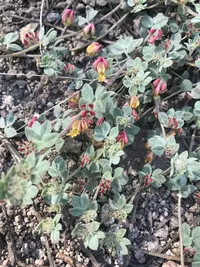
Gravel Mulch Band

Apply a 2–5 cm band of coarse gravel around, but not touching, the crown to keep stems dry at the base, reduce weed competition, and mimic the well-drained surfaces where this species naturally thrives.

Support Natural Spread

On slopes or loose banks, gently peg down longer trailing stems with small landscape staples so they root at nodes, helping the plant knit soil together and stabilize erosion-prone areas.

Seedbank Renewal

Let a portion of the seedpods dry and shatter in place each year so the natural seedbank is renewed, which supports long-term colony persistence without frequent replanting when growing Sierra Lotus.

Pollinator-Friendly Neighbors

Interplant with other low, drought-tolerant natives that flower at slightly different times to maintain continuous nectar for bees, which in turn improves pod set and overall plant vigor.

Common Pests and Diseases

Pea aphids

This pest feeds on soft shoots and flower stalks, causing yellowing, curling, and sticky honeydew on stems and leaves. Symptoms include reduced vigor and distorted new growth, especially on young roadside or disturbed-site plants.

Solution

Rinse colonies off stems and undersides of leaves with a firm stream of water and repeat every few days as needed. For heavier infestations, spot-treat with a ready-to-use insecticidal soap or neem oil in the evening, and encourage natural predators like lady beetles by avoiding broad-spectrum insecticides nearby.

Seed beetle damage

This pest targets developing pods and seeds, leading to poor seed set and hollow or visibly bored seeds. Symptoms include small exit holes in dry pods and low germination in collected seed for restoration or propagation.

Solution

Collect pods as they mature but before they dry and split, then dry and store them in sealed containers to limit beetle emergence. Discard heavily damaged seed lots and, if growing from seed, cold-store cleaned seed and sow only visually intact seeds to support successful efforts to grow Acmispon decumbens.

Powdery mildew

This disease appears as white, powdery patches on leaves and young stems during periods of warm days and cool, humid nights. Symptoms include reduced photosynthesis, dull foliage, and premature leaf drop on stressed plants in denser plantings.

Solution

Increase spacing and airflow around plants and avoid overhead watering late in the day. Remove and dispose of heavily affected stems and, if needed, apply a sulfur-based or potassium bicarbonate fungicide labeled for ornamental legumes, following label directions closely.

Fusarium wilt

This disease causes progressive yellowing and wilting of foliage, often starting on one side of the plant, eventually leading to dieback. Symptoms include brown discoloration in the lower stem tissue when split open and decline in plants on compacted or poorly drained soils.

Solution

Remove and destroy severely affected plants, including as much root material as possible, and avoid replanting legume hosts in the same exact spot for several years. Improve drainage, reduce soil compaction, and use only healthy, disease-free nursery stock to lower future risk.

Interesting Facts

California chaparral specialist

This low, spreading legume is native mainly to California and is especially common in chaparral and coastal scrub, where it grows in dry, open, often rocky sites that many other herbs cannot tolerate.

Nitrogen-fixing partner

Like many members of the pea family, it forms root nodules with symbiotic bacteria that convert atmospheric nitrogen into forms usable by plants, helping it survive in nutrient-poor soils and subtly enriching the surrounding substrate.

Key food for caterpillars

It serves as a larval host plant for several native butterfly and moth species in western North America, providing foliage that caterpillars feed on before pupating nearby.

FAQs about Sierra Lotus

This species is usually an annual in the wild, completing its life cycle in 1 season. In mild, dry climates it may sometimes behave as a short-lived perennial if winters are not too cold or wet.

Grow Healthy Plants with Botan Care

Keep your plants happy and healthy with plant identification, disease detection, and easy care guidance.


Botan plant care app — identify plants on mobile

Explore More Plants