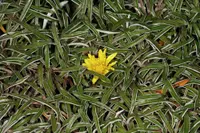
Argentine evening primrose Care (Oenothera mollissima)

Argentine evening primrose

About Argentine evening primrose

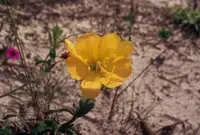
Argentine evening primrose, Oenothera mollissima, is a short-lived perennial or biennial herb known for its soft, gray-green foliage and bright, four-petaled yellow flowers. Plants usually form a low rosette with flowering stems that rise above the leaves.

It is native to parts of South America, especially Argentina, and is adapted to open, sunny, and often dry habitats. Once established, it usually tolerates drought and poorer soils, which can make it relatively low maintenance.

Gardeners who want to care for Argentine evening primrose should provide full sun, well-drained soil, and avoid heavy, waterlogged conditions to keep plants healthy and flowering reliably.

Main Plant Requirements

Care Difficulty

Easy Care

Light Preference

Full Sun

Water Requirements

Low Water

Temperature Preference

Warm Climate

Hardiness Zone

7–10

Soil Texture

Sandy, Loamy, Rocky

Soil pH

Slightly acidic (6.5–7.0), Neutral (7.0)

Soil Drainage

Well-drained

Fertilization

Minimal (feed rarely)

Get Personalized Care Plan

Scan your plant to receive care tips personalized for your specific plant

Available on iOS and Android

How to Care for the Argentine evening primrose

This sun-loving perennial needs strong light to flower well.

  • Provide 6–8 hours of direct sun daily; morning sun plus light afternoon shade suits Argentine evening primrose in hotter regions.
  • In very hot, dry climates, protect from intense sun after 2–3 p.m. to reduce leaf scorch and premature wilting.
  • In cooler seasons, allow as much direct sun as possible; plants in partial shade (3–5 hours) grow but bloom less and may stretch.

This species prefers dry to moderately moist soil and dislikes sitting in water.

  • Water only when the top 3–5 cm of soil are dry, allowing the root zone to dry slightly between waterings to mimic its native conditions.
  • Use fast-draining, gritty or sandy soil; standing water or heavy clay increases risk of root rot and yellowing, mushy stems.
  • Reduce watering in cool seasons and after flowering; wilting with crisp, dull leaves suggests underwatering, while soft, yellowing foliage suggests excess moisture.

This plant is adapted to temperate, often dry climates with moderate heat and some cold tolerance.

  • Best growth occurs around 65–80°F (18–27°C); flowering is most consistent when daytime temperatures stay in this range.
  • Plants tolerate brief drops to about 20°F (-6°C), but repeated hard frosts below this can damage crowns, especially in poorly drained soil.
  • In hot spells above 90°F (32°C), provide mulch to keep roots cooler and avoid reflected heat from walls or pavement that can stress foliage.

This species is adapted to dry, open habitats and does not need elevated humidity.

This species prefers light, fast-draining soils that avoid prolonged wetness around the roots.

  • Use a sandy or sandy-loam structure with at least 40–60% mineral grit such as coarse sand or fine gravel to prevent waterlogging.
  • Incorporate a modest amount of compost (10–20%) to supply nutrients without making the mix heavy or water-retentive.
  • Aim for slightly acidic to neutral pH, around 6.0–7.2, which suits Oenothera mollissima in most garden settings.
  • Avoid dense clay, peat-heavy, or compacted soils; if native soil is heavy, grow in raised beds or thoroughly amend with grit for aeration.

This species can be grown in containers if the pot and substrate are managed to stay sharply drained.

  • Choose a pot at least 25–30 cm deep to accommodate the taproot and keep the plant from becoming unstable in wind.
  • Use a terracotta or other porous pot material to help excess moisture evaporate quickly between waterings.
  • Elevate the container slightly on feet or bricks so drainage holes stay clear and runoff can escape freely after rain or irrigation.

This drought-tolerant perennial needs only light feeding, especially in lean or sandy soils.

  • Use a balanced, slow-release fertilizer (around 10-10-10) or a thin layer of compost in early spring as new growth starts.
  • Feed container-grown Argentine evening primrose every 6–8 weeks in the growing season at half the label strength.
  • Avoid high-nitrogen products, which encourage weak leafy growth instead of flowers.
  • Stop feeding in late summer so growth can harden before winter and the plant can enter dormancy naturally.

Pruning Oenothera mollissima is simple and helps maintain a tidy, floriferous clump.

  • Cut back spent flower stems in midsummer to encourage further blooming and prevent excessive self-seeding.
  • Remove dead, damaged, or diseased foliage whenever noticed using clean, sharp hand pruners or scissors.
  • Thin crowded stems in early spring to improve air circulation and reduce fungal issues.
  • Shear the whole plant lightly after the main flush of flowers to refresh foliage and keep a compact shape.

This species is usually grown in-ground, so transplanting young plants is more common than long-term container repotting.

  • Transplant in early spring or early fall when temperatures are mild and soil is workable.
  • Look for signs such as roots circling inside a pot or slow, weak growth before moving container plants up 1 pot size.
  • Handle the taproot gently; keep the root ball intact and avoid breaking thick roots to minimize transplant shock.
  • Water deeply after planting, then keep soil lightly moist for 1–2 weeks and shade from strong sun until established.

Oenothera mollissima is most often propagated from seed, which allows quick establishment of new plants.

  • Sow fresh seed in fall outdoors or in late winter indoors, as a brief cold period improves germination.
  • Press seeds onto the soil surface or cover very lightly; they need light and consistent moisture to sprout.
  • Maintain 60–70°F and bright indirect light for indoor trays until seedlings emerge and strengthen.
  • Transplant seedlings when they have several true leaves, disturbing roots as little as possible to protect the taproot.

This evening primrose is generally cold hardy in much of the US and needs only minimal winter care in the ground.

  • In regions with cold winters, apply a 5–8 cm layer of mulch around the crown after the ground cools to moderate soil temperature.
  • Leave some dry stems and foliage over winter to shield the crown, then clean them up in early spring.
  • For container plants in colder zones, move pots to a sheltered, unheated but frost-free area or against a south-facing wall.

Care Tips

Encourage Compact Growth

Trim back the tallest flowering stems by 1/3 right after the first heavy flush of blooms to keep plants dense, prevent lodging, and stimulate a second, shorter wave of flowering shoots.

Gravel Collar Mulch

Apply a 2–3 cm ring of coarse gravel or grit around the plant crown instead of organic mulch to keep the neck dry, reduce crown rot risk, and discourage slugs from feeding on young shoots.

Support In Windy Sites

In exposed beds, place low, discreet hoop supports or short twigs around young plants in early spring so stems grow through and have natural-looking support before tall flower spikes form.

Self-Sown Seed Management

Mark the best-performing clumps during peak bloom, then allow only those to set seed while deadheading the rest so natural reseeding gradually improves stand vigor and uniformity when growing Argentine evening primrose.

Dry Climate Weed Control

Use a thin layer of coarse sand or fine gravel across bare soil between plants instead of heavy organic mulch to suppress weeds while maintaining the sharp drainage this species prefers.

Common Pests and Diseases

Aphids

This pest often clusters on young stems, buds, and the undersides of leaves, sucking plant sap and causing distortion or sticky honeydew. Symptoms include curled foliage, stunted growth, and sooty mold growing on the honeydew deposits.

Solution

Prune off heavily infested shoot tips, then wash remaining stems and leaves with a firm stream of water every few days. If needed, use insecticidal soap or a light horticultural oil in the early morning, repeating as directed, and encourage natural predators such as lady beetles by avoiding broad-spectrum insecticides nearby.

Flea beetles

These insects chew small round holes in leaves, often giving foliage a shot‑holed or lace‑like appearance, and can heavily damage young seedlings. This pest is most active in warm, dry weather and may cause slowed growth in new plantings.

Solution

Protect young plants with floating row covers until they establish, and remove nearby weeds that can host beetles. For established clumps, use yellow sticky traps and, if damage is persistent, apply a targeted spinosad or pyrethrin product to foliage in the evening, following label directions.

Leaf spot

This disease causes small brown to dark purple spots on leaves that may enlarge and merge, leading to premature yellowing and drop of lower foliage. Symptoms include spotting that often starts on older leaves, especially in humid or crowded plantings.

Solution

Remove and discard affected leaves and any fallen plant debris to reduce fungal spores, and avoid overhead watering so foliage dries quickly. Improve air circulation by spacing plants properly, and if spotting continues in wet seasons, apply a preventive copper or chlorothalonil fungicide labeled for ornamental perennials.

Powdery mildew

This disease appears as a white to gray, powdery coating on leaves, stems, and sometimes flower buds, often developing during warm days and cool nights with high humidity. Symptoms include dull, distorted foliage and reduced flowering if infection is heavy.

Solution

Increase sun exposure and airflow by thinning dense growth and avoiding overhead watering late in the day. Remove heavily infected leaves and consider a preventive treatment with sulfur, potassium bicarbonate, or a labeled horticultural oil spray applied at the first sign of mildew, repeating as needed according to label directions.

Rust

This disease produces small, bright orange to brown pustules on the undersides of leaves, sometimes accompanied by yellow spots on the upper surface. Symptoms include early leaf drop and reduced vigor when infections are severe over multiple seasons.

Solution

Promptly remove and destroy infected leaves and plant debris, and avoid wetting foliage during irrigation to limit spore spread. For recurring outbreaks, use a labeled rust fungicide such as a myclobutanil or triazole product applied at the first appearance of pustules, rotating active ingredients to reduce resistance.

Interesting Facts

Softly hairy foliage

This species is notable for its densely silky, gray-green leaves, which are covered in fine hairs that reduce water loss and help the plant tolerate dry, exposed habitats in its native Andean range.

Twilight-opening flowers

The pale yellow flowers typically open toward evening and are pollinated mainly by nocturnal insects such as moths, an adaptation that aligns nectar availability with the activity of these pollinators.

Andean dryland specialist

It is naturally associated with highland and dry-steppe environments in parts of South America, where it occupies disturbed, stony, or sandy soils that experience strong temperature fluctuations between day and night.

FAQs about Argentine evening primrose

This species spreads moderately by seed and short rhizomes, forming loose clumps or small colonies rather than dense mats. It can self-seed, so remove spent flower stalks before seed set if you prefer tighter control.

Grow Healthy Plants with Botan Care

Keep your plants happy and healthy with plant identification, disease detection, and easy care guidance.

Botan plant care app — identify plants on mobile

Explore More Plants