Tazetta Daffodil Care (Narcissus 'Minnow')

Also known as: Daffodil, Miniature Daffodil

About Tazetta Daffodil

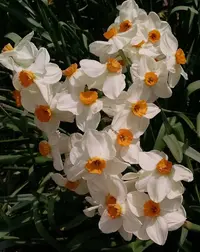
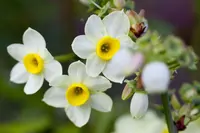
Narcissus 'Minnow' is a compact tazetta daffodil cultivar grown from hardy bulbs, valued for its clusters of small, pale yellow flowers with creamy cups. It forms low clumps of narrow green leaves and short, sturdy stems, making it suitable for borders, rock gardens, and containers.

This cultivar traces its wild ancestry to Mediterranean Narcissus species but is now widely grown in temperate gardens. It is considered easy to grow because it is cold-hardy, reliably perennial, and not very demanding if planted in well-drained soil.

Full sun to light shade and moderate moisture during active growth support strong flowering. Gardeners who learn how to care for Tazetta Daffodil often find Narcissus 'Minnow' a long-lived, low-maintenance spring bulb.

Main Plant Requirements

Care Difficulty

Easy Care

Light Preference

Full Sun

Water Requirements

Moderate Water

Temperature Preference

Cold Hardy

Hardiness Zone

4–8

Soil Texture

Sandy, Loamy, Organic-rich

Soil pH

Acidic (5.5–6.5), Slightly acidic (6.5–7.0)

Soil Drainage

Well-drained

Fertilization

Minimal (feed rarely)

Get Personalized Care Plan

Scan your plant to receive care tips personalized for your specific plant

Available on iOS and Android

How to Care for the Tazetta Daffodil

Narcissus 'Minnow' performs best in bright outdoor conditions with several hours of direct sun each day.

  • Provide 4–6 hours of direct sun, ideally morning sun with light afternoon shade, especially in hotter regions.
  • Tolerates light or dappled shade, but dense shade reduces flowering and causes weak, stretched foliage over time.
  • In late winter and early spring, maximize sun exposure for strong blooms; in late spring, foliage can handle brighter exposure but may scorch in intense, hot afternoon sun.

Narcissus 'Minnow' prefers evenly moist but never waterlogged soil during active growth and flowering.

  • Water when the top 3–5 cm of soil feels dry, then soak thoroughly so excess drains away; avoid leaving bulbs in standing water.
  • Reduce watering after flowering as foliage starts yellowing; keep soil just slightly moist until leaves die back, then allow it to dry almost completely in summer dormancy.
  • Watch for limp, folding leaves and dry soil as underwatering signs, and for yellowing, mushy bulbs or a sour smell as overwatering indicators; well-drained soil is essential.

This compact daffodil handles cool springs well but dislikes extreme heat and deep freezing without soil protection.

  • Active growth and flowering are best at 45–60°F (7–16°C); foliage remains healthy up to about 70°F (21°C) with adequate soil moisture.
  • Bulbs in the ground tolerate winter lows down to about 10–15°F (-12 to -9°C) if planted 10–15 cm deep and mulched, but prolonged frozen, waterlogged soil increases rot risk.
  • Heat above 80°F (27°C) pushes the plant into dormancy; allow foliage to die back naturally, avoid forced shade moves, and do not dig or divide bulbs during hot spells.

Humidity is rarely critical for Narcissus 'Minnow', as it adapts well to typical indoor and outdoor air levels.

  • Aim for 30–50% humidity, similar to most heated homes or mild outdoor spring conditions.
  • This plant tolerates relatively dry air; humidity stress shows mainly as limp, prematurely yellowing leaves when other causes are excluded.
  • If air is extremely dry, modestly raise humidity by grouping pots together or placing trays of water and pebbles nearby when caring for Tazetta Daffodil relatives.

Narcissus 'Minnow' grows best in airy, free-draining soil that stays moist but never waterlogged.

  • Use a mix of roughly 2 parts loam or peat-free potting mix, 1 part sharp sand, and 1 part fine grit or perlite to keep the structure open.
  • Aim for slightly acidic to neutral pH, around 6.0–7.0, which supports nutrient uptake and healthy bulb roots.
  • Improve drainage by planting in raised beds or planting holes amended with grit, especially in heavy clay that tends to hold standing water.
  • Avoid compacted, sticky, or boggy soil, as bulbs left in saturated conditions are likely to rot and decline.

This small daffodil is well suited to container growing outdoors in cool seasons.

  • Choose a pot at least 18–20 cm deep so bulbs can sit twice their height below the rim and still have room for root growth.
  • Use a heavier material like terracotta or ceramic to stabilize tall flower stems against wind and prevent tipping.
  • Elevate the container on feet or pot risers so drainage holes stay clear and excess water escapes quickly after rain or watering.

Narcissus 'Minnow' grows well in average soil and only needs light feeding during its active season.

  • Apply a balanced, slow-release bulb fertilizer or compost in early spring as shoots emerge, following label rates.
  • In containers, use a diluted balanced liquid fertilizer at 1/2 strength every 3–4 weeks through flowering for better caring for Tazetta Daffodil.
  • Stop feeding once foliage starts yellowing, as bulbs are entering dormancy.
  • Avoid high-nitrogen products, which encourage weak, floppy leaves instead of strong bulbs.

Narcissus 'Minnow' needs minimal pruning, mainly to keep clumps healthy and tidy after flowering.

  • After blooms fade, deadhead flower stalks at the base using clean scissors or hand pruners.
  • Leave green foliage intact for 6–8 weeks so leaves can photosynthesize and recharge the bulbs.
  • Remove only yellowed, collapsed leaves, reducing disease risk and keeping the planting neat.
  • Do not tie, braid, or cut green foliage short, as this weakens future flowering.

This compact daffodil is usually grown in the ground, with transplanting or lifting needed only every few years.

  • Plan to lift and divide crowded clumps every 3–5 years, when flowering declines or bulbs push above soil.
  • Schedule transplanting for late spring to early summer, after foliage has fully yellowed and dried.
  • Gently lift bulbs with a fork, separate offsets, discard any soft or diseased bulbs, and replant at once.
  • Replant bulbs 7–10 cm deep in well-drained soil, water lightly, and avoid damaging the basal plate to limit stress.

Narcissus 'Minnow' is most reliably propagated by bulb division rather than by seed.

  • Divide clumps in late spring or early summer once foliage has died back naturally.
  • Use a fork to loosen soil, then lift clumps and gently separate individual bulbs and offsets by hand.
  • Select firm, healthy bulbs and replant them at 7–10 cm depth in well-drained soil or pots.
  • Maintain lightly moist, not wet, soil through autumn so roots establish before winter and next spring’s growth.

This small daffodil is quite cold hardy in typical garden conditions and usually needs only basic winter care.

  • Tolerates frost and freezing in the ground across most temperate climates when soil drains well.
  • Apply a 5–7 cm mulch layer over beds in colder regions to moderate soil temperature swings.
  • For containers, move pots into a sheltered, unheated area to avoid repeated freeze–thaw cycles that damage bulbs.

Care Tips

Staggered Bulb Planting

Plant bulbs in small groups at slightly different depths and spacing so they do not all flower and fade at once, creating a longer and more natural-looking display over the flowering season.

Post-Bloom Deadheading

Remove spent flower heads promptly while leaving the green foliage intact, which prevents seed formation and directs energy back into the bulbs for stronger flowering the following year.

Foliage Support Planning

Interplant with low, sturdy perennials or small ornamental grasses that emerge around the same time, so their stems discreetly support the fine, narrow daffodil leaves and keep the planting looking tidy as foliage matures.

Bulb Clump Renewal

Every 3–5 years, lift and divide congested clumps in late summer when foliage has died back, replanting only the firm, healthy bulbs to maintain strong bloom performance and reduce disease risk.

Targeted Pest Deterrence

Use wire mesh or bulb cages at planting time in areas with heavy rodent activity, placing bulbs inside at the correct depth to protect them from being dug up while still allowing roots and shoots to grow freely when growing Tazetta Daffodil.

Common Pests and Diseases

Narcissus basal rot

This disease causes the base of the bulb to turn brown, soft, and dry-rot, often leading to weak, distorted leaves or failure to sprout. Symptoms include yellowing foliage that collapses early while bulbs show a dry, crumbly decay when cut open.

Solution

Discard all affected bulbs, as they do not recover, and avoid replanting narcissus in the same spot for several years. Plant only firm, healthy bulbs in well-drained soil, keep bulbs cool and dry in storage, and sanitize knives or tools between bulbs to limit spread of the fungus Fusarium oxysporum f. sp. narcissi.

Narcissus fly

This pest is a large fly whose larvae bore into bulbs, hollowing them out and causing weak growth, stunted leaves, or complete collapse of the plant. Symptoms include sudden yellowing and wilting of foliage while bulbs feel soft and may contain white maggots.

Solution

Lift and inspect suspect bulbs, destroy any that contain larvae, and avoid composting them. Use fine mesh or horticultural fleece over emerging shoots in late spring to prevent egg laying, and plant bulbs slightly deeper or in containers to reduce access by the flies.

Bulb mites

These pests are tiny, pale mites that feed inside or on the surface of bulbs, leading to slow emergence, weak shoots, and increased risk of bulb rots. Symptoms include soft or corky patches on bulbs and poor flowering performance.

Solution

Remove and destroy heavily infested bulbs, and avoid storing bulbs in warm, humid conditions that favor mite buildup. Before storage, cure bulbs in a dry, airy place, and for valuable stock consider a labeled hot-water treatment (carefully following temperature and timing guidelines) to reduce mite populations.

Narcissus smoulder

This disease, also called neck rot, starts at the neck of the bulb and moves downward, causing leaf tips to yellow, scorch, and collapse prematurely. Symptoms include grey or white fungal growth at the bulb neck and shriveled, non-flowering plants.

Solution

Lift and destroy affected bulbs and remove nearby plant debris that can harbor the fungus Botrytis narcissicola. Provide good spacing and airflow, avoid overhead watering during cool, damp weather, and plant only clean, undamaged bulbs in well-drained sites as part of Narcissus 'Minnow' care instructions.

Narcissus eelworm

These microscopic nematodes invade bulbs and basal plates, causing twisted, swollen leaves, stunted growth, and internal brown ring or patchy discoloration in bulbs. Symptoms include distorted foliage and bulbs that feel spongy or show brown streaks when cut open.

Solution

Immediately discard any suspect bulbs and do not replant narcissus in the same soil for several years, as the nematodes persist in the ground and debris. Buy certified clean bulbs, rotate planting areas, and rigorously clean tools and trays to prevent transferring eelworms between plantings.

Interesting Facts

Miniature multi-flowered blooms

This cultivar produces unusually small flowers, around 2.5–3.5 cm across, often in clusters of 4–6 per stem, giving a much denser floral display than many larger-flowered daffodils of similar height.

Stable bicolor pattern

The flowers show a consistent creamy white perianth with a pale yellow cup that typically softens with age, a color pattern selected and fixed through breeding rather than occurring in most wild Narcissus populations.

Award-winning garden performance

It has received the Royal Horticultural Society Award of Garden Merit, reflecting long-term trials that confirmed its reliable flowering, good weather tolerance, and garden value in a range of temperate conditions.

Botan icon

Did you know?

In daffodil classification systems, this plant is placed in Division 8 (tazetta daffodils), yet it is notably more cold-hardy than many classic tazetta types, allowing gardeners in cooler climates to grow Narcissus 'Minnow' where other tazettas may fail to overwinter reliably.

FAQs about Tazetta Daffodil

Lack of flowers usually comes from bulbs planted too shallow or deep, depleted bulbs from previous heavy flowering, or insufficient post-bloom leaf growth. Allow foliage to die back naturally and avoid excess shade or heavy, high-nitrogen fertilization.

Grow Healthy Plants with Botan Care

Keep your plants happy and healthy with plant identification, disease detection, and easy care guidance.

Botan plant care app — identify plants on mobile

Explore More Plants