Rose Pink Zephyr Lily Care (Zephyranthes carinata)

Also known as: Pink Rain Lily
Rose Pink Zephyr Lily

About Rose Pink Zephyr Lily

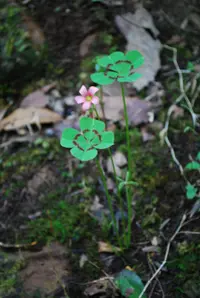
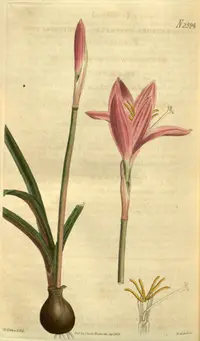
Rose pink zephyr lily, Zephyranthes carinata, is a small bulb-forming perennial often grown for its bright, funnel-shaped pink flowers. It usually forms low clumps of narrow, grass-like leaves that send up blooms after warm rains, giving it the common name rain lily.

This species is native to Central and South America but is widely grown in warm and mild climates as a garden or container plant. It is considered relatively easy to grow, as long as it has a resting period when the leaves die back. For those learning how to care for Rose Pink Zephyr Lily, stable warmth, well-drained soil, and moderate moisture are the main points to understand.

Main Plant Requirements

Care Difficulty

Easy Care

Light Preference

Full Sun

Water Requirements

Moderate Water

Temperature Preference

Tropical / Frost Sensitive

Hardiness Zone

8–11

Soil Texture

Sandy, Loamy, Organic-rich

Soil pH

Acidic (5.5–6.5), Slightly acidic (6.5–7.0)

Soil Drainage

Moist but well-drained

Fertilization

Light (every 4–6 weeks)

Get Personalized Care Plan

Scan your plant to receive care tips personalized for your specific plant

Available on iOS and Android

How to Care for the Rose Pink Zephyr Lily

This sun-loving bulb thrives with strong light and responds with more blooms when light is right.

  • Provide 6–8 hours of direct sun, ideally with morning sun and light afternoon shade in very hot climates to protect Rose Pink Zephyr Lily flowers from scorching.
  • Allow part shade (3–4 hours direct sun) in hotter zones; flowering may decrease slightly but foliage usually stays healthy.
  • In summer, avoid harsh reflected heat from pavement or walls; in cloudy or short-day seasons, choose the brightest open spot to maintain flowering potential.

This plant prefers a moist-dry cycle that mimics summer rains followed by short dry spells.

  • During active growth and flowering, water when the top 3–5 cm of soil feels dry, letting excess drain away to protect the bulbs from rot.
  • Use well-drained soil or raised beds so water does not pool around Zephyranthes carinata bulbs; standing water for several days is a key overwatering risk.
  • In cool or dormant periods, reduce watering sharply, watching for limp, wrinkling leaves (too dry) or yellowing, mushy bases (too wet).

This species grows best in warm, mild conditions and dislikes frost or temperature extremes.

  • Aim for 70–85°F (21–29°C) during active growth, which supports strong leaves and reliable flowering.
  • Protect plants when temperatures drop near 40°F (4°C); prolonged exposure below 32°F (0°C) can damage or kill bulbs, especially in wet soil.
  • In hot regions, plants tolerate up to about 95°F (35°C) if soil moisture is adequate and the site has some afternoon shade to limit heat stress.

Zephyranthes carinata handles a wide humidity range and usually does not need special humidity control indoors.

  • Aim for 30–60% humidity; typical indoor air in most homes is adequate for Rose Pink Zephyr Lily.
  • Dry air rarely harms bulbs, but prolonged very dry, hot air can cause leaf tips to brown and flowers to fade faster.
  • If air is extremely dry, place pots on a shallow pebble tray with water below the pot base to slightly raise local humidity.

Zephyranthes carinata grows best in loose, fast-draining, moderately fertile soil that stays lightly moist but never waterlogged.

  • Use a mix of 2 parts loam or standard potting mix, 1 part coarse sand, and 1 part perlite to create a well-aerated, gritty substrate.
  • Ensure water drains through within a few seconds; compact or sticky clay should be lightened with coarse sand and perlite before planting bulbs.
  • Keep pH slightly acidic to neutral (pH 6.0–7.0); avoid very alkaline ground that can limit nutrient uptake and reduce flowering.
  • Avoid heavy, soggy spots where water stands after rain, since chronic saturation causes bulb rot and weak, yellowing foliage.

This species is very suitable for container growing outdoors.

  • Choose a pot at least 15–20 cm deep so bulbs can sit with 5–7 cm of mix above them while still allowing root space below.
  • Use a heavier clay or ceramic container in windy sites so the clumps do not tip when in full leaf and flower.
  • After heavy rain or deep watering, tilt the container slightly to ensure any trapped water drains fully from the saucer or cachepot.

Zephyranthes carinata responds well to light, regular feeding during its active growing season.

  • Apply a balanced liquid fertilizer (around 10-10-10 or similar NPK) diluted to 1/2 strength every 4–6 weeks in spring and summer.
  • Alternatively, mix a small amount of slow-release fertilizer or well-rotted compost into the top 2–3 in of soil at the start of the season.
  • Stop feeding Rose Pink Zephyr Lily once foliage begins to yellow and during winter dormancy to prevent weak, stretched growth.
  • Always water before applying liquid fertilizer to reduce root burn risk and support even nutrient uptake.

Pruning Zephyranthes carinata is minimal and focuses on cleanliness rather than shaping.

  • Remove faded flowers by cutting the stem near the base to reduce seed set and encourage continued blooming.
  • Allow leaves to stay until they yellow naturally, then trim them off at soil level to support bulb energy storage.
  • Use clean, sharp scissors or pruning snips to avoid tearing tissue and introducing disease.
  • Clear away dead or damaged foliage after heavy rain or storms to maintain airflow and reduce fungal problems.

Zephyranthes carinata bulbs prefer to stay slightly crowded, so repotting or transplanting is only needed occasionally.

  • Check for roots circling the pot, bulbs pressing against the container sides, or slowing growth as signs it needs more space.
  • Plan to divide and replant clumps every 3–4 years in late winter or early spring before strong new growth starts.
  • Lift bulbs gently, keep roots shaded and slightly moist, then replant at the same depth in fresh, well-drained soil.
  • Water lightly after transplanting, keep soil just barely moist for 1–2 weeks, and avoid strong sun until plants have resettled.

Zephyranthes carinata is most commonly propagated by bulb division, with seeds as a slower option.

  • Divide mature clumps in late winter or early spring, when foliage is minimal and bulbs are easier to handle.
  • Gently separate offsets from parent bulbs, keeping roots attached, and replant at the same depth in well-drained soil.
  • Space bulbs 5–8 cm apart and water lightly, keeping soil just moist until new leaves emerge.
  • For seeds, sow fresh in warm (68–75°F), bright conditions and expect variable germination and slower flowering.

Zephyranthes carinata prefers mild winters and needs extra care in regions with freezing temperatures.

  • In USDA zones about 8–11, bulbs can usually remain in the ground with no special protection beyond good drainage.
  • In colder areas, dig bulbs after foliage dies back, dry them, and store in a cool, frost-free place until spring.
  • For in-ground plantings in marginal climates, apply a 5–7 cm mulch layer over the root zone once the soil cools.
  • Move container-grown plants indoors to a bright, cool, dry place before frost, watering just enough to keep bulbs from shriveling.

Care Tips

Bulb Clump Management

Lift and divide dense bulb clumps every 3–4 years in late winter or early spring to prevent overcrowding and maintain strong flowering performance.

Controlled Dry Rest

After the main flowering flush, allow the soil to dry slightly more than usual for 4–6 weeks, which mimics a natural dry season and can encourage a stronger bloom cycle the following year.

Rain-Trigger Simulation

To stimulate a flush of blooms, keep the bulbs on the drier side for 1–2 weeks, then apply one deep watering to imitate heavy rain, a method often used when growing Rose Pink Zephyr Lily for more synchronized flowering.

Container Depth Choice

Use a relatively deep pot (at least 20–25 cm) with ample drainage holes so bulbs can sit at the correct depth and still have room for root expansion and offsets.

Foliage Protection

Avoid mowing or cutting back foliage until it yellows naturally, and in mixed borders place a low marker or edging so the narrow leaves are not accidentally damaged while the bulbs are storing energy.

Common Pests and Diseases

Narcissus bulb fly

This pest targets bulbs, where larvae tunnel inside and consume the tissue, causing weak growth, yellowing leaves, and sudden collapse of individual clumps. Symptoms include hollow, soft, or foul-smelling bulbs when dug up.

Solution

Lift and inspect suspect bulbs, discarding any that feel soft, hollow, or rotten. Replant only firm, healthy bulbs, use fine mesh or fleece over newly planted beds in spring to prevent egg-laying, and rotate planting sites so the pest does not build up in one area.

Bulb mites

These insects live in and around bulbs, feeding on damaged or stressed tissue and creating brown, sunken spots and poor sprouting. Symptoms include stunted shoots and bulbs that fail to establish after planting.

Solution

Discard badly infested bulbs and only store or plant dry, firm bulbs. Improve storage by keeping bulbs cool, dry, and well ventilated, and if needed soak bulbs in a labeled miticidal or sulfur-based bulb dip before planting to reduce mite numbers.

Leaf spot

This disease causes small water-soaked or tan lesions on leaves that may enlarge, darken, and merge, leading to premature yellowing and dieback. Symptoms include irregular spots often with a darker margin, especially in crowded, damp plantings.

Solution

Remove and discard affected leaves and spent foliage to reduce inoculum, and avoid overhead watering so foliage dries quickly. Space clumps for better airflow, water at soil level, and if the problem recurs, apply a suitable copper- or chlorothalonil-based fungicide according to label directions.

Basal bulb rot

This disease affects the base of the bulb and roots, leading to yellow, floppy foliage and bulbs that become soft and discolored from the basal plate upward. Symptoms include a foul odor and easy separation of bulb scales when pulled apart.

Solution

Dig up and discard infected bulbs along with surrounding soil, and improve drainage by planting in raised beds or well-amended, free-draining soil. Avoid overwatering, never store or plant damaged bulbs, and sanitize tools and containers before reusing to limit spread.

Aphids

These insects cluster on young leaves and flower stalks, sucking sap and causing curling, distortion, and sticky honeydew that can attract sooty mold. Symptoms include distorted new growth and the presence of small green, black, or brown soft-bodied insects on tender parts.

Solution

Dislodge colonies with a strong stream of water and pinch off heavily infested tips. Encourage natural predators such as lady beetles, and if needed use insecticidal soap or a light horticultural oil, applied thoroughly to all leaf surfaces in cool, shaded conditions.

Interesting Facts

Rain-triggered flowering

This species often initiates flowering in response to heavy summer rains or irrigation, a trait linked to its native tropical climate where sudden downpours signal suitable conditions for rapid reproduction.

Naturalized in warm regions

Originally native to Mexico and parts of Central America, it has become naturalized in many warm, humid regions such as the Gulf Coast and subtropical Asia, where it can self-seed and form loose colonies in lawns and borders.

Large-flowered rain lily

Compared with many other rain lilies, this species produces relatively large, funnel-shaped pink blooms, typically around 6–8 cm long, which makes it one of the more showy members of the genus in ornamental horticulture.

Botan icon

Did you know?

The species is triploid and usually sterile, so it rarely sets viable seed; instead, it spreads mainly by producing offsets from its bulbs, which helps maintain uniform flower color and form in cultivated populations and influences practical Zephyranthes carinata plant care in gardens.

FAQs about Rose Pink Zephyr Lily

Lack of blooms usually comes from insufficient light, overcrowded bulbs, or no dry rest after flowering. Allow foliage to die back naturally, avoid constant moisture in dormancy, and use a balanced, low-nitrogen fertilizer during active growth to support flowering.

Grow Healthy Plants with Botan Care

Keep your plants happy and healthy with plant identification, disease detection, and easy care guidance.

Botan plant care app — identify plants on mobile

Explore More Plants