Support in windy sites
In exposed, windy locations, place low, unobtrusive wire hoops or small rocks around the base to prevent stems from snapping while still allowing good airflow.

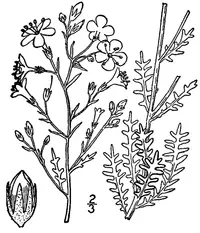
Sticky gilia (Aliciella pinnatifida) is a small, herbaceous wildflower native to dry, open habitats of the western United States. It often grows on rocky slopes, sagebrush areas, and desert grasslands.
Plants form airy, branching stems with finely divided leaves and clusters of small, tubular flowers that range from pale pink to bluish tones. The sticky texture on stems and leaves helps the plant conserve moisture and deter small insects.
This species is adapted to poor, well-drained soils and low to moderate moisture, which can make it relatively low-maintenance in dry gardens. Understanding how to care for sticky gilia starts with matching its preference for full sun and lean, gritty soil conditions.

Care Difficulty
Moderate Care

Light Preference
Full Sun

Water Requirements
Low Water

Temperature Preference
Cold Hardy

Hardiness Zone
4–8

Soil Texture
Sandy, Loamy, Rocky

Soil pH
Slightly acidic (6.5–7.0), Neutral (7.0)

Soil Drainage
Well-drained

Fertilization
Minimal (feed rarely)
Scan your plant to receive care tips personalized for your specific plant
Available on iOS and Android
Aliciella pinnatifida prefers bright, open conditions similar to dry, rocky slopes in its native range.
This species is drought-tolerant and prefers dry to slightly moist soil rather than constant moisture.
This plant is adapted to continental climates with cold winters and warm, dry summers.
This species is adapted to dry, open habitats and has very low humidity needs.
This plant prefers lean, sharply drained soil that mimics rocky, upland sites.
This species can be grown in containers if the pot mimics its naturally dry, fast-draining root environment.
Aliciella pinnatifida is adapted to nutrient-poor soils, so fertilizer use should be minimal and carefully controlled.
Aliciella pinnatifida needs only light pruning to stay tidy and maintain good flowering.
This species dislikes disturbance, so transplanting should be infrequent and done with care.
Propagation of Aliciella pinnatifida is usually done from seed rather than vegetative methods.
In most temperate regions this species is cold hardy and usually needs little specific winter care outdoors.

Plant Health Check
Not sure what's wrong with your plant? Check your plant's health inside the app.
The surfaces of its leaves and stems are covered with glandular hairs that exude a sticky substance, which traps small insects that land on the plant. This stickiness is thought to provide protection from herbivores rather than to digest prey like true carnivorous plants.
This species is native to the interior western United States, where it grows on dry, rocky slopes, sandstone outcrops, and open pinyon-juniper woodlands. It is adapted to nutrient-poor, fast-draining soils and often occurs in sparse, open vegetation rather than dense plant communities.
It typically flowers in late spring to early summer, producing small, funnel-shaped white to pale pink flowers with finely divided, feather-like leaves. The airy foliage and fine branching pattern give the plant a delicate, lace-like appearance in its natural habitat.
Lack of blooms often results from insufficient light, overly rich or wet soil, or excessive nitrogen fertilizer. This species flowers best in lean, well-drained conditions with strong sun and minimal feeding, so adjust those factors before expecting improvement.
Keep your plants happy and healthy with plant identification, disease detection, and easy care guidance.