salvia cistus Care (Cistus salviifolius)

Also known as: Sage-leaved Rock-rose
salvia cistus

About salvia cistus

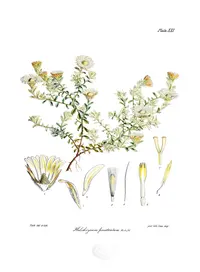
Salvia cistus, Cistus salviifolius, is a low, bushy evergreen shrub from the Mediterranean region. It belongs to the rockrose group, known for drought tolerance and sun-loving habits.

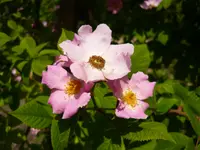
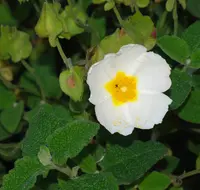
This plant typically forms a rounded mound with narrow, grey-green, slightly hairy leaves that resemble culinary sage. In spring, it produces many short-lived white flowers with yellow centers, giving a light, informal look.

C. salviifolius suits dry, poor soils and coastal conditions, making it a good choice for low-maintenance, water-wise gardens. It prefers full sun, good drainage, and minimal fertilizer, so gardeners who care for salvia cistus often find it easier than many thirstier shrubs.

Main Plant Requirements

Care Difficulty

Easy Care

Light Preference

Full Sun

Water Requirements

Low Water

Temperature Preference

Warm Climate

Hardiness Zone

8–10

Soil Texture

Sandy, Loamy, Rocky

Soil pH

Slightly acidic (6.5–7.0), Slightly alkaline (7.0–7.5)

Soil Drainage

Well-drained

Fertilization

Minimal (feed rarely)

Get Personalized Care Plan

Scan your plant to receive care tips personalized for your specific plant

Available on iOS and Android

How to Care for the salvia cistus

This Mediterranean shrub thrives in bright, open positions with plenty of direct sun.

  • Provide 6–8 hours of direct sun daily; full sun promotes compact growth and abundant flowering in salvia cistus.
  • Tolerates light partial shade, especially with morning sun and light afternoon shade, but flowering and density decrease as shade increases.
  • In hot inland summers, protect from intense reflected heat from walls or paving, and avoid deep shade, which leads to leggy shoots and sparse blooms.

This drought-tolerant shrub prefers infrequent, deep watering once established.

  • In the ground, water only when the top 5–8 cm of soil is completely dry; in average conditions this may mean every 10–21 days in summer, much less in cooler seasons.
  • Use very free-draining, gritty soil so Cistus salviifolius roots do not sit in water, which promotes root rot and yellowing foliage.
  • Reduce watering sharply in autumn and winter; persistent wilting, crisp leaves, and dieback suggest underwatering, while soft, yellowing leaves and blackened stems suggest excess moisture.

This species is adapted to mild, dry climates with warm summers and relatively cool, frost-light winters.

  • Optimal growth occurs around 60–80°F (16–27°C), with best flowering in sunny, warm positions and low to moderate humidity.
  • Mature plants tolerate brief drops to about 15–20°F (-9 to -6°C), but repeated hard frosts can damage young shoots and reduce flowering the following season.
  • Handles dry heat up to 90–95°F (32–35°C) if soil is well-drained; avoid humid, hot sites and protect from cold, drying winter winds in marginal climates.

This Mediterranean shrub tolerates low humidity and usually needs no special humidity management.

This shrub prefers lean, mineral soils that drain very quickly and never stay waterlogged.

  • Use sandy or gravelly soil with very low organic matter, mimicking rocky or coastal ground conditions.
  • Ensure extremely sharp drainage by blending 50–70% coarse sand or fine grit with a light loam-based mix.
  • Aim for slightly alkaline to neutral pH, roughly 7.0–8.0, avoiding strongly acidic conditions.
  • For Cistus salviifolius, avoid clay, compacted, or peat-heavy substrates that hold water and exclude air around roots.

This species can be grown in containers if drainage is excellent and the pot does not trap moisture.

  • Choose a wide, low container that accommodates its spreading habit and reduces the risk of tipping in strong wind.
  • Select unglazed terracotta to encourage faster evaporation and prevent the root zone staying wet after rainfall or watering.
  • Fill the pot with a very free-draining mix of coarse grit and sandy loam so water runs through within seconds.

This Mediterranean shrub prefers lean soils and only light feeding when grown in poor ground or containers.

  • Use a low-strength balanced NPK fertilizer or a small amount of compost in spring to support new growth in salvia cistus.
  • Apply once at the start of the growing season; avoid repeated applications that encourage lush, weak shoots.
  • Dilute liquid feeds to 1/2 strength to prevent salt buildup, especially in pots.
  • Skip feeding in fall and winter to allow growth to harden and avoid soft, frost-sensitive tissue.

Light, timely pruning helps Cistus salviifolius stay compact and flower well.

  • Carry out main pruning just after flowering in late spring or early summer so buds for next year are not removed.
  • Use clean, sharp hand pruners to remove dead, damaged, or frost-burned shoots back to healthy wood.
  • Thin congested stems lightly to improve airflow and maintain a low, bushy shape.
  • Avoid cutting back into old, bare wood, as this shrub does not regenerate strongly from hard pruning.

This shrub is most often grown in the ground, with transplanting more relevant than frequent repotting.

  • Transplant in early spring or early fall, when soil is workable and temperatures are mild, to reduce stress.
  • Look for signs such as roots circling a nursery pot, slow growth, or soil drying very fast before moving a plant.
  • Choose a sunny, well-drained site with gritty or sandy soil, disturbing the root ball as little as possible.
  • Water thoroughly after planting, then keep soil lightly moist for several weeks until new growth confirms establishment.

Cistus salviifolius is commonly propagated from semi-ripe cuttings or seeds under suitable conditions.

  • Take semi-ripe stem cuttings in late summer, 6–8 cm long, from non-flowering shoots.
  • Insert cuttings into a gritty, fast-draining mix and keep in bright shade with even moisture and high humidity.
  • Use a rooting hormone if available, and maintain temperatures around 65–75°F for reliable rooting.
  • Sow fresh seeds in late winter to spring in a well-drained seed mix, providing light, warmth, and good air movement.

This Mediterranean evergreen tolerates light frost but benefits from simple winter precautions in colder regions.

  • Cistus salviifolius usually copes with short dips below freezing but struggles in prolonged frost or wet, heavy soils.
  • Apply a 5–8 cm layer of gravelly mulch around the root zone, keeping it away from the stem base.
  • In cold climates, grow Cistus salviifolius in containers and move to a bright, cool, frost-free spot for winter.

Care Tips

Encourage Ground Cover

Pinch back soft young shoots in early spring to encourage side branching, which creates a denser, more wind-resistant mound that also shades its own roots in hot summers.

Protect From Winter Wet

In regions with cold, wet winters, plant on a slight slope or low mound and mulch only with coarse gravel so water drains quickly away from the crown and woody base.

Avoid Summer Disturbance

Limit cultivation, transplanting, or root disturbance once established, since mature plants resent being moved and often decline if their root system is damaged in dry weather.

Renew With Succession

Plan to replace plants every 7–10 years by striking semi-ripe cuttings in late summer, so an aging specimen can be removed once its younger replacement is established.

Site For Airflow

Choose an open, breezy site with full exposure so foliage dries quickly after rain, reducing the risk of foliar diseases and simplifying caring for salvia cistus in coastal or humid areas.

Common Pests and Diseases

Leaf spot

This disease causes small brown to dark purple spots on leaves that may coalesce and lead to premature leaf drop, especially in humid or poorly ventilated conditions.

Solution

Remove and dispose of affected leaves, avoid overhead watering, and improve air circulation around the shrub; in persistent, severe cases, a copper-based fungicide labeled for ornamental shrubs can be applied during wet periods as part of broader Cistus salviifolius care instructions.

Botrytis blight

This disease appears as grey, fuzzy mold on fading flowers, buds, or damaged stems, especially in cool, damp weather.

Solution

Promptly deadhead spent flowers, prune out and discard all infected tissue, and ensure good spacing and airflow; avoid wetting the foliage and, if the problem recurs, use a labeled botrytis-targeted fungicide during prolonged wet spells.

Scale insects

These insects attach firmly to stems and leaf undersides as small bumps, sucking sap and sometimes leading to yellowing leaves and honeydew deposits.

Solution

Prune out heavily infested stems, gently scrape or wipe remaining scales with a cloth dipped in soapy water, and, if needed, apply horticultural oil during the growing season to smother remaining insects while thoroughly coating stems and leaf undersides.

Red spider mites

This pest causes fine stippling, dulling, and eventual bronzing of leaves, often with delicate webbing on the undersides during hot, dry weather.

Solution

Rinse foliage with a strong but controlled stream of water to dislodge mites, maintain the plant slightly less drought-stressed, and, if populations remain high, use a horticultural soap or miticidal oil, directing spray to the undersides of leaves.

Root-knot nematodes

These microscopic worms form galls or swellings on roots, leading to weak growth, poor flowering, and increased drought sensitivity in light, sandy soils.

Solution

Remove and destroy severely affected plants, avoid replanting Cistus or other susceptible hosts in the same spot, improve soil organic matter, and consider using resistant or less-susceptible species or grafted plants if nematodes are a known issue in the garden.

Interesting Facts

Fire-adapted shrub

This Mediterranean shrub is adapted to fire-prone habitats, and its populations often regenerate vigorously from soil-stored seed after wildfires in coastal scrub and maquis communities.

Wrinkled sage-like leaves

The leaves are small, wrinkled, and densely hairy on the underside, giving a greyish tone that reduces water loss and heat stress in hot, dry climates, which helps distinguish it from many other rockrose species.

Short-lived white flowers

Its papery white flowers typically last only a single day, opening in the morning and often dropping by late afternoon, but the plant produces many buds so flowering can continue over several weeks in spring.

Botan icon

Did you know?

This species is an important early nectar and pollen source for Mediterranean bees and other pollinators in late winter to spring, often flowering before many other shrubs and helping sustain insect populations at the start of the growing season.

FAQs about salvia cistus

This shrub is evergreen in mild climates, holding its small, aromatic leaves year-round. In colder regions, it may suffer some leaf scorch or minor winter dieback, but healthy plants usually refoliate well in spring.

Grow Healthy Plants with Botan Care

Keep your plants happy and healthy with plant identification, disease detection, and easy care guidance.

Botan plant care app — identify plants on mobile

Explore More Plants