Rhizome containment
Install a 20–30 cm deep physical barrier or plant into a large, bottomless container sunk in the ground to prevent this rhizomatous plant from spreading into lawns and neighboring beds.

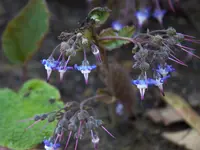
Trachystemon orientalis, often called Abraham, is a hardy, shade-loving perennial groundcover. It spreads by rhizomes, forming dense carpets of large, rough, heart-shaped leaves.
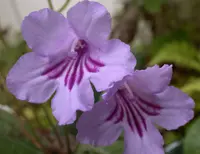
In early spring, it produces clusters of starry blue flowers on bare stems before the foliage fully emerges, giving strong seasonal interest. The plant is native to southeastern Europe and parts of western Asia, where it grows in woodland and riverbank habitats.
It is valued for its toughness, ability to outcompete many weeds, and tolerance of poor, dry soils once established. For those learning how to care for Abraham, it generally prefers partial shade, consistent moisture during establishment, and well-drained but not overly rich soil.

Care Difficulty
Easy Care

Light Preference
Partial Shade

Water Requirements
Regular Water

Temperature Preference
Cold Hardy

Hardiness Zone
5–8

Soil Texture
Loamy, Clay, Organic-rich

Soil pH
Acidic (5.5–6.5), Slightly acidic (6.5–7.0)

Soil Drainage
Moist but well-drained

Fertilization
Minimal (feed rarely)
Scan your plant to receive care tips personalized for your specific plant
Available on iOS and Android
Trachystemon orientalis prefers cool, shaded positions with limited direct sun exposure.
Trachystemon orientalis prefers evenly moist, cool soil that never stays waterlogged.
This hardy woodland perennial tolerates cold winters and prefers moderate growing temperatures.
Humidity is rarely a limiting factor for Trachystemon orientalis outdoors in typical temperate climates.
Trachystemon orientalis prefers consistently moist, humus-rich ground that stays cool and never waterlogged.
This species can grow in containers, though it performs best when the pot mimics cool, moist woodland soil conditions.
Trachystemon orientalis is a woodland perennial that needs only light feeding in average garden soil.
Pruning Trachystemon orientalis is mainly about tidying and managing spread rather than shaping.
This plant is most often grown as a groundcover, so care focuses on dividing and transplanting outdoor clumps.
Trachystemon orientalis is commonly propagated by division, which maintains the same characteristics as the parent plant.
This species is cold hardy in most temperate climates and usually needs little special winter care.

Plant Health Check
Not sure what's wrong with your plant? Check your plant's health inside the app.
This species often flowers in late winter to very early spring, sometimes when snow is still on the ground, producing blue, star-shaped flowers before most competing groundcovers have emerged.
In parts of its native range in southeastern Europe and western Asia, young leaves are traditionally cooked and eaten as a wild green, although they must be boiled, not eaten raw, to improve texture and flavor.
The plant forms dense colonies through thick, creeping rhizomes (underground stems), which allow it to carpet large shaded areas and suppress many competing herbaceous plants.

In its native Balkan and Black Sea regions, this species has been used historically in rural gardens and around farmsteads as a living mulch under fruit trees, valued for its very early foliage and flowers that cover otherwise bare soil at the start of the growing season.
This species spreads steadily by rhizomes and self-seeding, forming wide clumps over time. In suitable shade gardens it can become dominant, so use edging, root barriers, or regular division to keep it contained.
Keep your plants happy and healthy with plant identification, disease detection, and easy care guidance.