

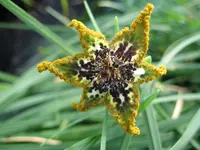

Abraham (Trachystemon orientalis) Light Needs

Abraham grows best in partial shade, with filtered light and only gentle direct sun in cooler parts of the day.

Light Preference

Partial Shade

Trachystemon orientalis Light Requirements

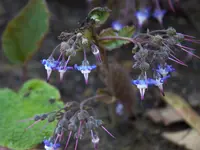
In its native range in southeastern Europe and western Asia, Trachystemon orientalis grows in cool woodland edges, damp banks, and open shade beneath seasonal tree cover. It may receive brighter spring light before overhead leaves expand, then filtered light through the warmer growing season. This pattern explains its garden performance: it tolerates shade and brief gentle sun, but preferred light is partial shade.

  • Ideal exposure:

    Abraham needs about 4–6 hours of bright filtered light daily, including 0–2 hours of gentle direct morning sun.

  • Direct sun:

    Early morning sun is usually tolerated, but hot midday or afternoon sun can scorch the broad leaves.

  • Shade tolerance:

    Full shade is tolerated in cool sites, though growth may be looser and flowering can be lighter.

  • Seasonal light:

    Brighter spring light is useful, while summer protection from strong sun keeps foliage cleaner and less stressed.

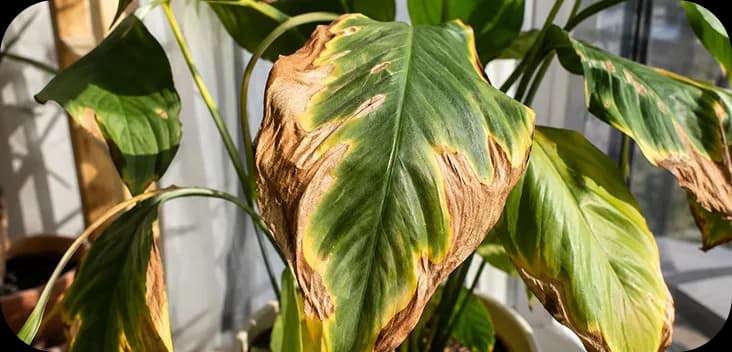
Strong sun shows first on exposed leaves.

Bleached patches:

Pale tan or whitish areas can appear where direct sun hits the leaf surface most strongly.

Crisp scorch:

Brown, papery spots may form after sudden exposure to hot sun, especially in the afternoon.

Afternoon droop:

Leaves may droop or flatten during bright heat, then partly recover once shade returns.

Rough new growth:

New leaves can emerge smaller or slightly distorted when shoots develop under harsh, exposed light.

Move the plant to open shade or give it afternoon cover. If it has been grown in shade, increase sun exposure gradually over 1–2 weeks.

Shade tolerance is good, but very dark sites can still limit growth.

  • Long leaf stalks:

    Leaves may sit on stretched stalks as the plant reaches toward brighter light.

  • Leaning growth:

    Shoots can angle toward the brightest side instead of forming an even clump.

  • Fewer flowers:

    Blooming may be sparse when the plant receives little spring light.

  • Small new leaves:

    New foliage may stay smaller than expected during the active growing season.

  • Slow spread:

    The plant may fill in slowly even when temperatures are otherwise suitable.

Shift it to brighter open shade or a spot with gentle morning sun. Avoid moving directly from deep shade into harsh afternoon exposure.

Choose open shade or a site with morning sun if ideal partial shade is not available. A position protected from hot afternoon light is the best compromise for steady foliage.

Remove or thin nearby cover only if the area has become very dark. Recheck the exposure after trees leaf out, because spring light can become summer shade.

A fully exposed west- or south-facing bed is unsuitable in warm climates because the broad leaves scorch more easily there.

Get Personalized Care Plan

Scan your plant to receive care tips personalized for your specific plant

FAQ

This plant grows best in partial shade with bright filtered light. It can handle gentle morning sun, but it performs better when protected from strong midday and afternoon exposure.

More Plant Light Guides

Get the Botan App

Discover how to care for your plants with Botan.

Botan app identifying a plant with a phone camera
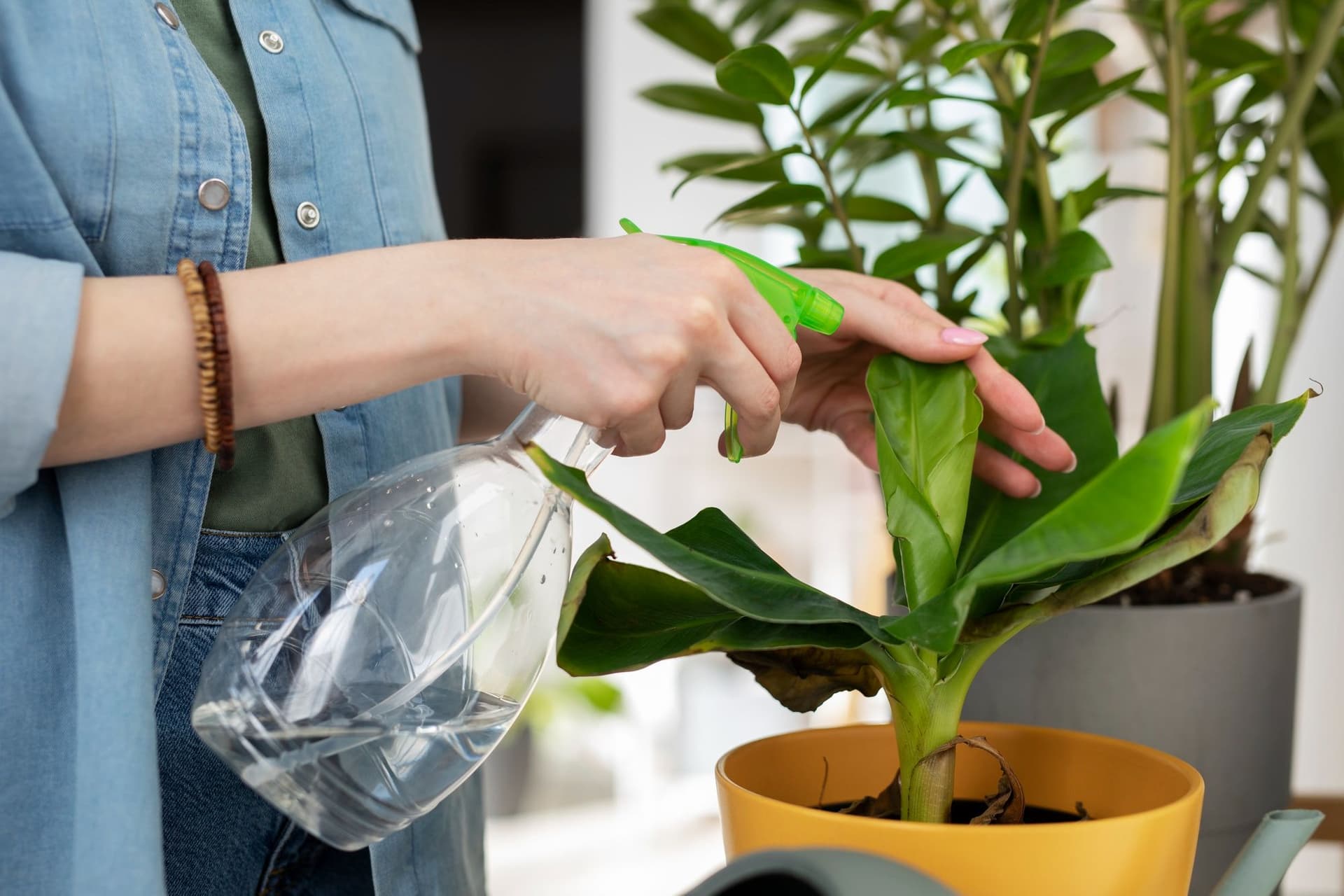
How to Mist Plants – Proper Technique and Common Mistakes

7 min read · 30 Jul 2026

How to Mist Plants – Proper Technique and Common Mistakes

Find out when misting works well and when to avoid it. Here, you’ll find detailed information about compatible and incompatible species, tips on how often to mist plants and do it correctly, and some great alternatives for raising humidity.

Beginner Guides
How to Mist Plants – Proper Technique and Common Mistakes
Best Fertilizer for Vegetable Gardens – What to Use for Each Plant

11 min read · 20 Jul 2026

Best Fertilizer for Vegetable Gardens – What to Use for Each Plant

Here, you’ll find the right fertilizer formula for vegetables in your garden. Learn how to adjust feeding correctly throughout the growing cycle, spot nutrient deficiencies by their symptoms, and keep your plants healthy and prolific.

Plant Recommendations
Best Fertilizer for Vegetable Gardens – What to Use for Each Plant
Banana Peel Water for Plants: 5 Things to Know Before Trying It

5 min read · 9 Jul 2026

Banana Peel Water for Plants: 5 Things to Know Before Trying It

Banana water can provide potassium and some nutrients that may support plant growth, but it is not a universal fix. Use it carefully and only when the plant actually shows signs of nutrient deficiency rather than as a routine treatment.

Plant Care
Banana Peel Water for Plants: 5 Things to Know Before Trying It