

Sunflower (Helianthus annuus) Light Needs

Sunflower grows best in full sun with long, direct daily exposure during the active growing season.

Light Preference

Full Sun

Helianthus annuus Light Requirements

Helianthus annuus is native to North America, where wild populations grow in open prairies, fields, roadsides, and disturbed ground without overhead shade. These habitats receive strong, unfiltered sun for much of the day, especially during the warm growing season. In cultivation, the species keeps that same need for open exposure to build sturdy stems and flower well. Preferred light is full sun.

  • Ideal exposure:

    Sunflower needs about 6–8 hours of full sun daily, with at least 6 hours of direct sun.

  • Direct sun tolerance:

    Established plants tolerate all-day sun when they have been grown in that exposure.

  • Lower light limits:

    Partial shade usually causes stretching, weaker stems, and fewer or smaller flowers.

  • Afternoon intensity:

    Hot afternoon sun is acceptable, but seedlings should be introduced gradually after indoor or sheltered starts.

Strong light is usually a problem only after sudden exposure or extreme heat.

Bleached leaf patches:

Pale tan or white areas may appear on the upper leaf surface after a rapid move into direct sun.

Papery spots:

Damaged tissue can dry into thin, crisp patches where the sun hit most directly.

Scorched seedlings:

Young plants started in shelter may show marked spotting or collapse of the sun-facing leaves.

Heat flattening:

Leaves may droop during the hottest hours when intense sun combines with reflected heat.

Move recently exposed plants back to gentler light, then increase sun over several days. Provide temporary afternoon shade during heat waves or near reflective walls.

Weak light quickly changes the shape and flowering potential of this species. The signs are clearest during active growth.

  • Stretched stems:

    Growth becomes tall and thin as the plant reaches toward brighter conditions.

  • Leaning growth:

    Stems may angle strongly toward the light instead of staying upright.

  • Wider spacing:

    New leaves can form farther apart, giving the stem a sparse look.

  • Reduced flowering:

    Flower buds may be delayed, fewer, or smaller when direct sun is limited.

  • Small new leaves:

    Fresh growth may stay undersized compared with leaves formed in stronger sun.

Move Helianthus annuus to a more open, sunny position with at least 6 hours of direct sun. Increase exposure gradually if it has been shaded.

If full-day sun is not available, choose the spot that gets the longest clear morning-to-midday sun. Avoid areas shaded by fences, walls, or dense overhead cover for most of the day.

Rotate potted plants every few days while stems are developing so growth stays straighter. Move containers away from reflective surfaces if leaves show pale, papery sun patches.

Deep shade is unsuitable because it produces weak stems and poor flowering.

Get Personalized Care Plan

Scan your plant to receive care tips personalized for your specific plant

FAQ

This species needs full sun, ideally 6–8 hours of unobstructed light daily. It grows strongest where direct sun reaches the leaves for most of the day.

More Plant Light Guides

Get the Botan App

Discover how to care for your plants with Botan.

Botan app identifying a plant with a phone camera
How to Increase Humidity for Plants – 8 Simple Ways That Work

8 min read · 14 Aug 2026

How to Increase Humidity for Plants – 8 Simple Ways That Work

Dry indoor air stresses a lot of houseplants. You usually notice it first in the browning leaf tips. This guide describes 8 simple ways to raise the moisture around your plants, from humidifiers to pebble trays.

Plant Care
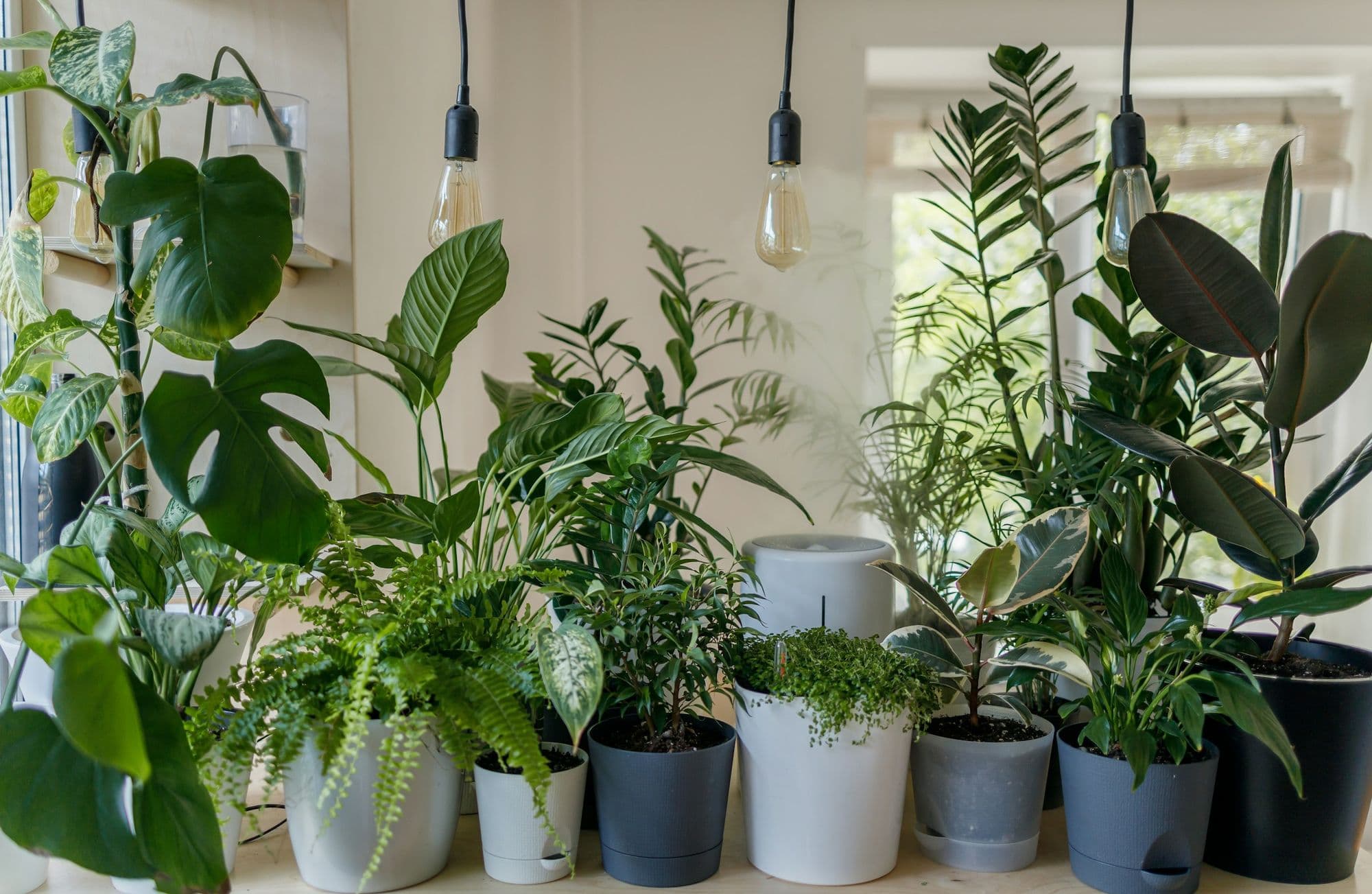
How to Increase Humidity for Plants – 8 Simple Ways That Work
Top 15 Plants That Don’t Need Sunlight

8 min read · 17 Sept 2026

Top 15 Plants That Don’t Need Sunlight

Some plants thrive in dim rooms, shaded corners, and places with indirect light. In this guide, you’ll explore the top 15 species best suited to low-light conditions and how to care for them.

Plant Recommendations
Top 15 Plants That Don’t Need Sunlight
Plants That Repel Mosquitoes – 10 Effective Choices

8 min read · 6 Jul 2026

Plants That Repel Mosquitoes – 10 Effective Choices

Plants that repel mosquitoes can help mask human scent naturally and make outdoor spaces more comfortable. Explore the most effective options, their benefits and drawbacks, and choose the right plant for your space.

Plant Recommendations
Plants That Repel Mosquitoes – 10 Effective Choices