


jio (Commelina benghalensis) Light Needs

jio grows best in full sun, with partial sun tolerated when the site still stays bright.

Light Preference

Full Sun

Commelina benghalensis Light Requirements

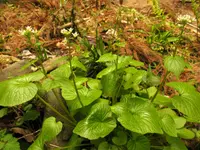
Commelina benghalensis is associated with warm tropical and subtropical habitats, especially open disturbed ground, field margins, and moist cultivated sites. These places often receive direct sun for much of the day, with some plants also growing where taller vegetation creates partial shade. In cultivation, this background explains its tolerance of strong sun and its weaker performance in shade. Preferred light is full sun.

  • Ideal exposure:

    Commelina benghalensis needs about 6–8 hours of bright outdoor light daily, ideally full sun, including roughly 4–6 hours of direct sun.

  • Direct sun:

    Established plants can handle a full day of direct sun when they have been grown into that exposure gradually.

  • Part sun:

    Partial sun is tolerated, but aim for at least half a day of clear brightness to keep growth compact.

  • Shade risk:

    Deep shade is not suitable and commonly leads to stretched stems and sparse flowering.

  • Afternoon intensity:

    In very hot sites, gentle morning sun with bright afternoon exposure is safer than sudden harsh afternoon sun.

Strong sun is usually tolerated, but sudden harsh exposure can stress tender growth.

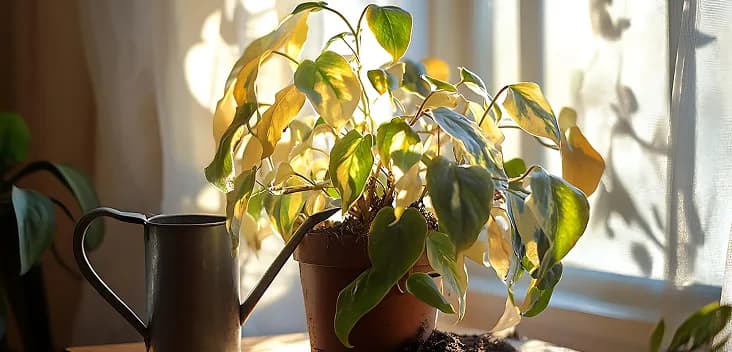
Bleached patches:

Pale tan or whitish areas may appear on upper leaf surfaces after a rapid move into direct afternoon sun.

Dry papery spots:

Damaged sections can turn thin and papery while the rest of the leaf remains green.

Midday collapse:

Leaves may fold or look limp during the hottest hours, especially on exposed new shoots.

Faded new growth:

Fresh leaves can look washed out when light intensity rises faster than the plant can adapt.

Shift Commelina benghalensis to slightly less intense exposure or add light filtering during the hottest part of the day. Reintroduce stronger sun gradually over 5–7 days.

Shade is the more common light problem for this species. Watch for growth that changes shape rather than only color.

  • Stretched stems:

    Internodes, the spaces between leaves, become longer as stems reach toward stronger light.

  • Leaning growth:

    Shoots may angle strongly toward the brightest side instead of staying evenly spread.

  • Fewer flowers:

    Blooming can drop in active growth when the plant receives only weak or brief light.

  • Small new leaves:

    New leaves may form smaller and thinner than older leaves grown in brighter conditions.

Move Commelina benghalensis to a sunnier position with several hours of direct light. Increase exposure in steps if the new site is much brighter.

If full-day sun is not available, choose the brightest outdoor spot that still gives several hours of direct sun. Treat partial sun as a compromise, not a shade placement.

Move plants into stronger sun over several days so newer growth adapts. Trim or relocate nearby cover if it blocks the site during morning or midday.

Do not use dense shade as a long-term setup, because it will not meet Commelina benghalensis light needs.

Get Personalized Care Plan

Scan your plant to receive care tips personalized for your specific plant

FAQ

For jio light requirements, aim for about 6–8 hours of bright outdoor light daily, with several hours of direct sun for compact growth and better flowering.

More Plant Light Guides

Get the Botan App

Discover how to care for your plants with Botan.

Botan app identifying a plant with a phone camera
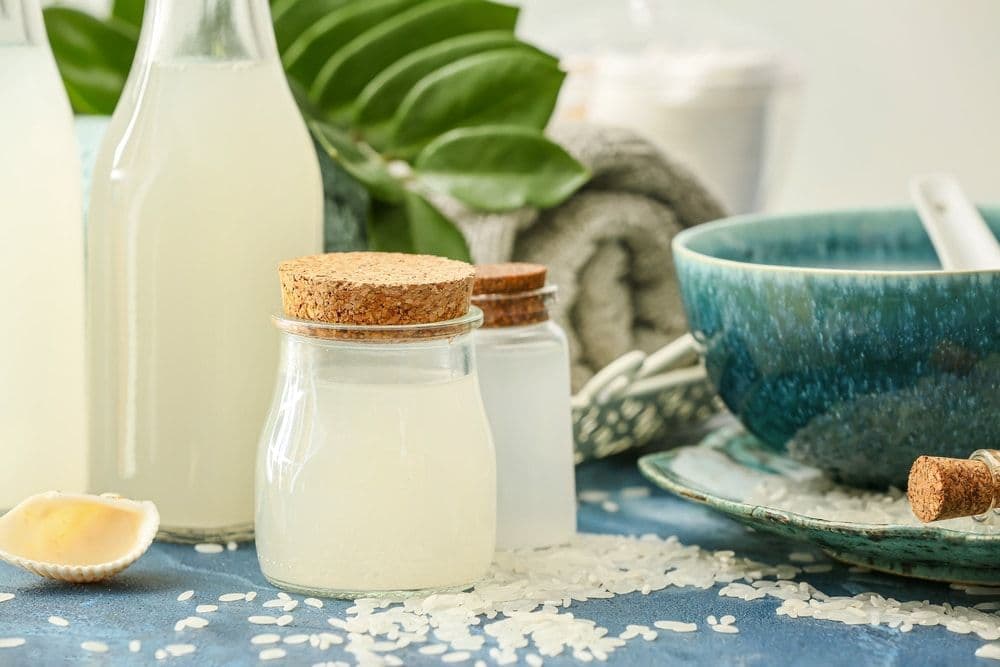
Rice Water for Plants – Which Plants Love It and How to Make It

8 min read · 14 Jul 2026

Rice Water for Plants – Which Plants Love It and How to Make It

Rice water can be an ideal DIY solution for orchids, roses, or fruiting plants. It supports growth, leaf count, and height. We’ll share how to make and apply it correctly for your plant.

Plant Care
Rice Water for Plants – Which Plants Love It and How to Make It
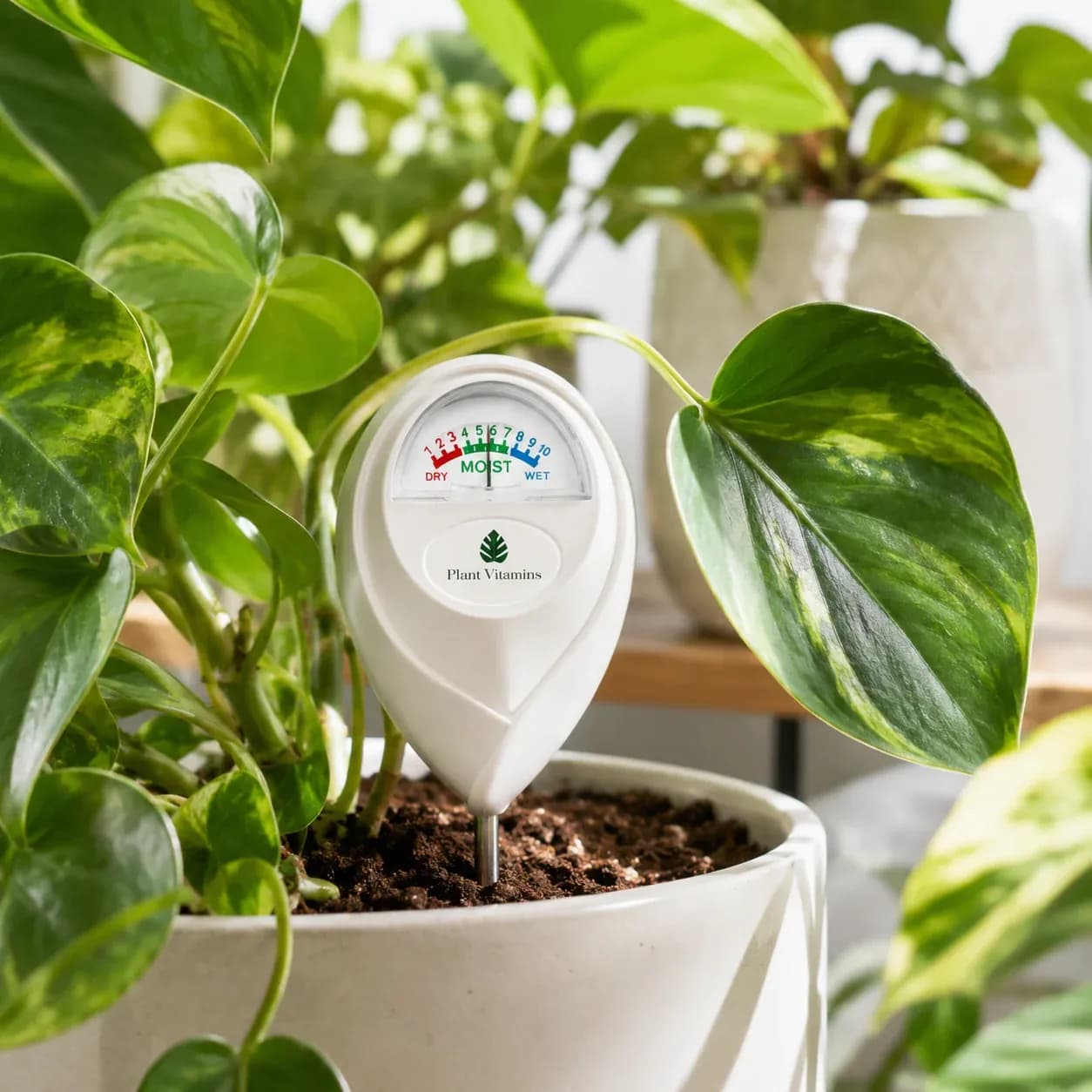
How to Use a Moisture Meter for Plants

5 min read · 4 Sept 2026

How to Use a Moisture Meter for Plants

Watering by feel kills plenty of houseplants. A moisture meter checks the soil for you, and takes the guesswork out of it. This guide will show you how to use it correctly, from the first touch to the final reading.

Beginner Guides
How to Use a Moisture Meter for Plants
Best Fertilizer for Vegetable Gardens – What to Use for Each Plant

11 min read · 20 Jul 2026

Best Fertilizer for Vegetable Gardens – What to Use for Each Plant

Here, you’ll find the right fertilizer formula for vegetables in your garden. Learn how to adjust feeding correctly throughout the growing cycle, spot nutrient deficiencies by their symptoms, and keep your plants healthy and prolific.

Plant Recommendations
Best Fertilizer for Vegetable Gardens – What to Use for Each Plant