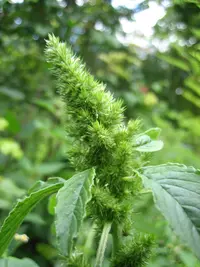
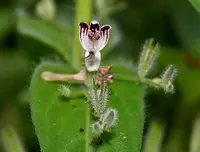
jio Care (Commelina benghalensis)

Also known as: Day Flower, tropical spiderwort, Benghal Dayflower, Bangal Day-flower, Tropical Dayflower, Benghal Commelina, Venus's Bath
jio

About jio

Commelina benghalensis, often called Benghal dayflower, is a low, spreading herb with succulent stems and soft, oval leaves. Its small blue flowers open briefly, usually in the morning. This species is native to tropical and subtropical regions of Africa and Asia but now appears in many warm climates, often as a vigorous weed. It spreads quickly by seed and stem fragments, which makes it resilient but sometimes invasive in gardens and lawns. For those who want to care for jio in containers or controlled beds, it generally prefers warm conditions, moist but well-drained soil, and consistent light without extreme dryness.

Main Plant Requirements

Care Difficulty

Easy Care

Light Preference

Full Sun

Water Requirements

Keep Soil Moist

Temperature Preference

Tropical / Frost Sensitive

Hardiness Zone

9–13

Soil Texture

Sandy, Loamy, Organic-rich

Soil pH

Acidic (5.5–6.5), Slightly acidic (6.5–7.0)

Soil Drainage

Moist but well-drained

Fertilization

Minimal (feed rarely)

Get Personalized Care Plan

Scan your plant to receive care tips personalized for your specific plant

Available on iOS and Android

How to Care for the jio

This fast-growing groundcover thrives with ample light but tolerates some shade in warm climates, making jio adaptable in many gardens.

  • Provide 4–6 hours of direct morning sun with light afternoon shade; strong late-day sun in hot regions can scorch tender leaves.
  • Tolerates partial shade, but stems stretch and flowering decreases if grown in less than 3–4 hours of direct or bright filtered light.
  • In summer, monitor for leaf yellowing or crisp edges from intense heat; in cooler seasons, choose brighter, more open sites to maintain dense growth.

This species prefers consistently moist, not saturated, soil and responds quickly to changes in water availability.

  • Allow the top 2–3 cm of soil to dry before watering; soil below should feel slightly damp but never soggy to limit root problems.
  • In warm growing seasons, increase watering when leaves begin to droop or lose sheen; in cooler months, reduce frequency as growth slows.
  • Poor drainage causes yellowing foliage, soft stems, and foul odor, while prolonged dryness leads to crisp leaf tips and slower spread in Commelina benghalensis.

This plant grows best in warm, frost-free conditions and behaves as a perennial or annual depending on climate.

  • Optimal growth occurs around 70–85°F (21–29°C), where stems spread rapidly and foliage remains lush and green.
  • Tolerates high heat up to about 95°F (35°C) if soil moisture is stable, but leaf scorch and wilting increase when heat combines with drought.
  • Frost is damaging; tissue injury usually appears below 32°F (0°C), so in regions with cold winters, growth dies back and returns from seed or protected roots.

This species tolerates a wide humidity range and usually needs no special humidity management.

  • Ideal humidity is around 40–60%, similar to typical indoor air in many homes.
  • Plants in very dry heated air may show crisp leaf edges and slower growth, but usually recover once watered properly.
  • If air is extremely dry, grouping pots together or placing them near a tray of water and pebbles can slightly increase local humidity.

This plant prefers loose, moist, well-drained soil that supports rapid spreading growth.

  • Use a loamy, organic-rich mix such as 2 parts all-purpose potting mix, 1 part compost, and 1 part coarse sand or perlite.
  • Aim for slightly acidic to neutral pH around 6.0–7.0, which supports nutrient availability and root health.
  • Ensure strong drainage so the mix stays evenly moist but never waterlogged, which reduces risk of root rot.
  • Avoid heavy clay or compacted mixes; improve aeration with coarse sand, perlite, or fine bark chips to keep roots oxygenated.

This species is suitable for containers, especially where spreading growth needs control.

  • Select a wide, shallow pot so creeping stems have room to spread while roots stay close to the surface.
  • Use a slightly heavier container material, such as ceramic, to stabilize fast, sprawling growth outdoors in wind.
  • Ensure drainage holes stay clear and elevate the pot slightly so excess water runs off quickly and does not pool under the base.

Commelina benghalensis grows well in modestly fertile soil, so heavy feeding is unnecessary for good performance when caring for jio.

  • Use a balanced liquid fertilizer (such as 10-10-10) diluted to 1/2 strength every 4–6 weeks during the warm growing season.
  • On poor soils, mix in light amounts of compost or a mild slow-release fertilizer at the start of spring.
  • Stop feeding in late fall and winter to avoid forcing weak, soft growth in low light and cool temperatures.
  • Always water before applying fertilizer to reduce root burn and distribute nutrients evenly.

Pruning Commelina benghalensis helps control its spread and maintain a neat, dense mat of growth.

  • Best time is during active growth in spring and summer, trimming back long, straggling stems with clean scissors or hand pruners.
  • Remove dead, yellowing, or damaged shoots to reduce disease risk and keep foliage fresh.
  • Thin out crowded stems near the base to improve air flow and light penetration.
  • Light shearing of tips encourages branching and can increase the number of flowering shoots.

This species is more often transplanted outdoors than repotted, but container plants still benefit from occasional root care.

  • Check for roots circling the pot, pushing through drainage holes, or noticeably slower growth as signs it needs a larger container.
  • Plan repotting or outdoor transplanting for spring, when temperatures are mild and growth is starting.
  • Move up only 1 pot size, keeping the root ball intact and backfilling with well-draining soil to limit root stress.
  • Water thoroughly after transplanting, then keep soil slightly moist and shaded for 3–5 days while roots re-establish.

Commelina benghalensis is commonly multiplied because it roots readily from several types of material.

  • Take 8–10 cm stem cuttings in late spring or summer, remove lower leaves, and root them in moist, free-draining mix under bright, indirect light.
  • Pin down creeping stems so nodes touch moist soil for simple layering; once rooted, cut and transplant the new section.
  • Divide dense clumps in spring, keeping several stems and roots in each division, then replant at original soil depth.
  • Sow fresh seeds on the soil surface in warm conditions (68–77°F), keeping the mix evenly moist until germination.

In mild climates this species needs little winter attention, but it is sensitive to hard frost and prolonged freezing.

  • In regions with light frost, apply a 5–8 cm mulch layer over the root zone to moderate soil temperature.
  • Allow top growth to die back naturally in cold weather, then remove mushy stems to reduce rot and disease.
  • In colder areas, grow in containers and move plants indoors or into a frost-free garage or greenhouse before freezes.

Care Tips

Aggressive spread control

Install a narrow root barrier 10–15 cm deep or edge beds monthly with a sharp spade to stop underground stems and roots from invading nearby areas and lawn.


Timed hand removal

Uproot young plants after rain or deep watering when the soil is soft, shaking off soil and bagging all plant parts to prevent re-rooting from stem fragments and nodes.

Seed bank reduction

Mow or cut back flowering patches before seed set and collect the clippings, as this species also produces hidden self-pollinated flowers near the soil that add heavily to the soil seed bank.

Mulch as suppression

Apply a dense, 7–10 cm layer of coarse organic mulch around desired plants to shade the soil surface and significantly reduce new shoot emergence from seeds and small rhizomes.

Targeted herbicide follow-up

In landscapes where allowed, use a labeled selective herbicide on actively growing foliage, then repeat spot treatments every 3–4 weeks on new flushes while avoiding drift onto desirable broadleaf plants as part of long-term Commelina benghalensis plant care.

Everything About jio

Common Pests and Diseases

Leaf spot

This disease causes small water-soaked or brown lesions on leaves that can merge into larger dead patches, especially in warm, humid conditions or dense groundcover growth.

Solution

Remove and discard affected leaves, reduce overhead watering, and allow better air movement by thinning very dense patches; in persistent cases, a copper-based or chlorothalonil fungicide labeled for ornamental groundcovers can be applied according to label directions during wet periods.

Southern blight

This disease leads to sudden wilting and collapse of stems at soil level, often with white fungal threads and small tan sclerotia (hardened fungal bodies) around the crown in hot, moist soils.

Solution

Pull and discard infected plants including nearby soil, avoid excess irrigation, and keep plant debris off the soil surface; in high-value beds, consider using a soil-surface fungicide labeled for southern blight and rotate planting areas to reduce inoculum buildup.

Aphids

These insects cluster on young shoots and leaf undersides, sucking sap and causing curling, distortion, and sticky honeydew that can lead to sooty mold growth on the foliage.

Solution

Spray colonies off with a firm stream of water, encourage natural predators such as lady beetles, and where populations remain high, treat tender growth with insecticidal soap or a light horticultural oil, ensuring full coverage of stems and leaf undersides.

Spider mites

This pest thrives on sun-exposed, drought-stressed plants, causing fine stippling, a dusty appearance on leaves, and in heavy infestations, fine webbing between stems and foliage.

Solution

Increase humidity around the planting, hose down foliage regularly to dislodge mites, and if damage continues, apply insecticidal soap or a miticide labeled for spider mites, repeating as directed to target newly hatched individuals.

Grasshoppers

These insects chew irregular holes and notches in leaves and tender stems, often leaving plants with a ragged, tattered appearance in open, sunny sites or near turf and field edges.

Solution

Handpick larger individuals where practical, reduce nearby tall weeds that shelter nymphs, and in severe outdoor infestations consider using a bait or contact product specifically labeled for grasshoppers, applied following all local guidelines and label instructions.

Interesting Facts

Soil-burrowing flowers

This species produces both open above-ground flowers and closed, self-pollinating flowers that develop on stems burrowing into the soil, an adaptation that allows it to set seed even under stressful conditions.

Seeds with dormancy layers

Its seeds show uneven dormancy, with some germinating quickly and others remaining dormant in the soil for years, which helps the species survive variable climate and control efforts.

Dual growth habit

The plant forms both creeping, rooting stems along the ground and upright, branched shoots, allowing it to rapidly occupy space and access both light and soil resources.

Botan icon

Did you know?

In several agricultural regions, this species is one of the few broadleaf weeds able to survive and reproduce under glyphosate-based herbicide regimes, making it a well-studied model for herbicide resistance and weed management research.

FAQs about jio

This species spreads very aggressively by creeping stems, underground rhizomes, and abundant seeds. In mild climates it can quickly form dense mats and crowd out other plants, so strict containment and regular removal of runners are essential.

Grow Healthy Plants with Botan Care

Keep your plants happy and healthy with plant identification, disease detection, and easy care guidance.

Botan plant care app — identify plants on mobile

Explore More Plants