Targeted pinch pruning
Pinch back only the soft shoot tips every 3–4 weeks during active growth to keep plants compact and encourage more branching and flowering, rather than removing older, woody stems.

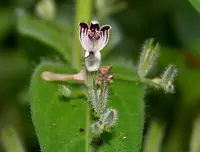
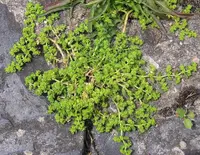
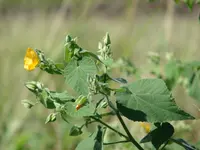
False waterwillow (Andrographis echioides) is a low, spreading herb often found in open fields, roadsides, and disturbed ground in tropical and subtropical regions of Asia. It typically forms small mats or patches with narrow leaves and short, upright stems carrying modest, pale flowers.
This species is hardy in warm climates and often behaves like a short-lived perennial or annual, depending on local conditions. It tends to colonize poor or compacted soils, which suggests a relatively forgiving nature but also a tendency to self-seed.
Those who want to learn how to care for false waterwillow should know it generally prefers bright light, regular moisture, and well-drained, moderately fertile soil for steady growth.

Care Difficulty
Moderate Care

Light Preference
Full Sun

Water Requirements
Moderate Water

Temperature Preference
Warm Climate

Hardiness Zone
Unknown

Soil Texture
Sandy, Loamy, Organic-rich

Soil pH
Acidic (5.5–6.5), Slightly acidic (6.5–7.0)

Soil Drainage
Well-drained

Fertilization
Minimal (feed rarely)
Scan your plant to receive care tips personalized for your specific plant
Available on iOS and Android
This sun-loving herb grows best in bright outdoor conditions with protection from harsh extremes.
This species prefers consistently moist but never waterlogged soil for steady growth.
This plant favors warm, frost-free conditions for reliable growth and recovery after pruning.
This species grows well in typical indoor humidity and rarely needs special moisture control.
This plant prefers light, well-drained soil that stays evenly moist but not waterlogged.
This species is suitable for container growing when the pot allows quick drainage and moderate root spread.
This species is a light feeder and often manages in average garden soil without heavy fertilization.
Pruning helps keep Andrographis echioides compact and encourages denser foliage.
This plant is more often grown in the ground, but container specimens benefit from occasional transplanting to maintain healthy roots.
Andrographis echioides is commonly renewed by seed and can also be multiplied from soft cuttings.
In mild climates this species needs little winter attention, but it is not tolerant of hard frost.

Plant Health Check
Not sure what's wrong with your plant? Check your plant's health inside the app.
This species is an annual or short-lived herb that usually stays under about 30 cm tall and tends to form low, spreading patches in open, disturbed sites such as roadsides and dry fields.
Its leaves are covered in short, stiff hairs that give them a rough texture, a trait that helps reduce water loss and may deter small herbivores in its dry, sunny habitats.
The small tubular flowers are typically white to pale lilac with purple spots on the lower lip, a pattern that helps guide visiting pollinators toward the nectar and reproductive parts of the flower.
Poor flowering usually comes from low light, nutrient-poor or very dry soil, or old, woody stems. Encourage new shoots with light pruning, moderate feeding, and consistent moisture. This supports better bud formation and longer, more reliable flowering.
Keep your plants happy and healthy with plant identification, disease detection, and easy care guidance.