Encourage Bushy Growth
Pinch back soft shoot tips when stems reach 8–10 cm to promote branching and a compact, dense cushion rather than tall, floppy growth.

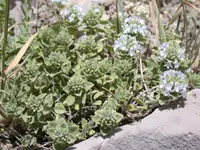
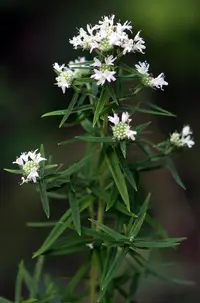
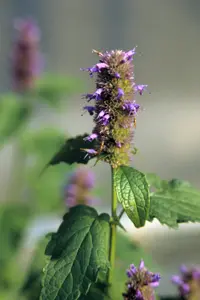
Ziziphora clinopodioides is a low, aromatic perennial herb in the mint family, forming compact clumps or loose mats of small, gray-green leaves. It produces delicate, pale lilac to purple flowers that attract bees and other pollinators during its blooming season.
This species is native to dry, open habitats across parts of Central and Western Asia, often on rocky or gravelly slopes. It is generally undemanding and tolerates poor, well-drained soils, which makes it suitable for rock gardens and water-wise plantings.
Because it prefers full sun, moderate moisture, and good drainage, it can be relatively straightforward to care for Ziziphora clinopodioides when these basic needs are respected.

Care Difficulty
Moderate Care

Light Preference
Full Sun

Water Requirements
Low Water

Temperature Preference
Cool Climate

Hardiness Zone
5–8

Soil Texture
Sandy, Loamy, Rocky

Soil pH
Slightly acidic (6.5–7.0), Slightly alkaline (7.0–7.5)

Soil Drainage
Well-drained

Fertilization
Minimal (feed rarely)
Scan your plant to receive care tips personalized for your specific plant
Available on iOS and Android
This sun-loving mountain herb grows best in bright, open conditions with limited shade.
This species prefers dry to moderately dry soil and is sensitive to prolonged wetness.
This hardy perennial is adapted to cooler, dry climates but still benefits from stable temperatures during active growth.
This species tolerates dry air well, so humidity is rarely a limiting factor.
This plant prefers mineral, well-drained soil that mimics dry steppe or rocky slope conditions.
This species is suitable for container growing, especially in dry, sunny sites.
This hardy aromatic herb usually needs minimal feeding in reasonably fertile, well-drained soil.
Light pruning helps maintain a compact, leafy mound and encourages fresh aromatic growth.
This small perennial herb is usually grown in the ground but can adapt to containers with careful handling.
Ziziphora clinopodioides is commonly propagated by seed, division, or softwood cuttings in the growing season.
This species is generally cold hardy in temperate climates and often needs only modest winter attention.

Plant Health Check
Not sure what's wrong with your plant? Check your plant's health inside the app.
This species naturally grows in dry, open habitats such as mountain steppes and rocky slopes across parts of Central and Western Asia, often at relatively high elevations where many other mint relatives struggle to survive.
Its leaves and flowering tops contain essential oils rich in monoterpenes such as pulegone and menthone, which give a sharp, thyme-like scent that attracts pollinators and has led to its traditional use as a culinary and aromatic herb.
The plant often forms low, cushion-like tufts with many short, branching stems, an adaptation that helps reduce moisture loss and protect tissues from wind exposure in its native dry, exposed environments.

In several regions of Central Asia and the Middle East, this species has been used for generations to flavor tea and dairy products, and its characteristic aroma is culturally associated with highland pastures and traditional nomadic cuisines.
The species is traditionally used as a culinary and medicinal herb. Leaves and flowering tops are aromatic and can flavor teas, salads, and cooked dishes. Always confirm correct identification and avoid heavy use if pregnant, breastfeeding, or on medication.
Keep your plants happy and healthy with plant identification, disease detection, and easy care guidance.