Hart's Pennyroyal Care (Mentha cervina)

Hart's Pennyroyal

About Hart's Pennyroyal

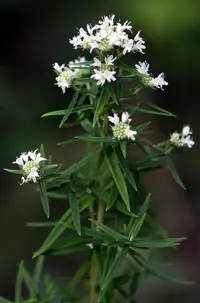
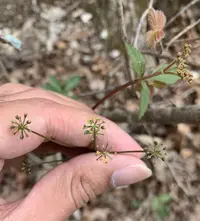
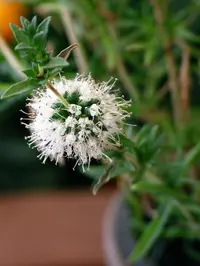
Hart's pennyroyal (Mentha cervina) is a low, creeping mint species that forms dense mats of aromatic foliage. The narrow, finely divided leaves release a strong scent when touched.

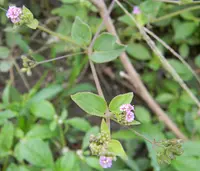
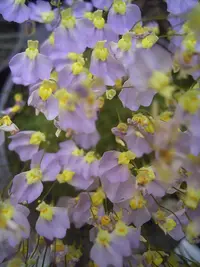
It is native to wetlands and river margins in southwestern Europe and North Africa, so it naturally favors moist conditions. Small lavender to pale purple flowers appear in whorls, attracting pollinators and adding soft color.

This plant suits pond edges, bog gardens, and damp herb beds, and can also grow in containers with consistently moist soil. Its vigorous growth and strong scent make it relatively easy to manage, as long as adequate moisture and sun are provided.

Gardeners who want to care for Hart's Pennyroyal should focus on keeping the root zone evenly damp and the plant in an open, bright position.

Main Plant Requirements

Care Difficulty

Easy Care

Light Preference

Full Sun

Water Requirements

Keep Soil Moist

Temperature Preference

Cold Hardy

Hardiness Zone

6–9

Soil Texture

Loamy, Silty, Organic-rich

Soil pH

Slightly acidic (6.5–7.0), Neutral (7.0)

Soil Drainage

Waterlogged tolerant

Fertilization

Light (every 4–6 weeks)

Get Personalized Care Plan

Scan your plant to receive care tips personalized for your specific plant

Available on iOS and Android

How to Care for the Hart's Pennyroyal

Mentha cervina prefers moderate sun with some protection from harsh midday exposure.

  • Provide 4–6 hours of direct morning sun with light afternoon shade, especially in hotter regions.
  • Plant in a spot with partial shade, such as east-facing beds or areas with dappled light under taller plants, to prevent leaf scorch.
  • In summer, protect Hart's Pennyroyal from intense afternoon sun, while in cooler months it can tolerate more direct light without stress.

This species favors consistently moist conditions and does not tolerate prolonged drying.

  • Water when the top 1–2 cm of soil feels just slightly dry, aiming to keep the root zone evenly moist but not waterlogged.
  • Use soil that drains freely yet holds moisture, and avoid standing water, which can cause soft, yellowing stems and root rot in Mentha cervina.
  • Increase watering in hot, windy weather and reduce it in cool or rainy periods, watching for wilting or curled leaves as signs of underwatering.

This mint grows best in mild climates with cool to warm conditions and moderate seasonal change.

  • Aim for active growth in 60–75°F (16–24°C), which supports strong stems and aromatic foliage.
  • Plants tolerate brief drops to about 20–25°F (-6 to -4°C) once established, but repeated hard freezes can damage top growth.
  • In hot spells above 86°F (30°C), provide extra shade and moisture to limit stress and prevent leaf scorching or stalled growth.

This species prefers moderately moist air but usually copes with typical household humidity.

  • Aim for 40–60% humidity to keep foliage of Hart's Pennyroyal lush and aromatic.
  • Tolerates short spells of drier air, but persistent humidity below 30% can cause browning leaf tips and edge curl.
  • Increase humidity by grouping pots, setting the container on a pebble tray with water below the base, or growing near other moisture-loving plants.

Mentha cervina grows best in consistently moist, well-aerated soil that does not stay waterlogged.

  • Use a loamy mix with high organic matter, such as 2 parts peat-free compost, 1 part garden loam, and 1 part coarse sand or perlite.
  • Ensure free drainage so the soil stays damp but not saturated, especially in containers where excess water accumulates quickly.
  • Aim for slightly acidic to neutral pH around 6.0–7.0, which supports vigorous root growth and nutrient uptake.
  • Avoid dense clay, compacted ground, or soils that dry into hard clods; incorporate compost and coarse material to improve structure and aeration.

This species is well suited to container growing outdoors on patios, balconies, or near water features.

  • Choose a wide, shallow pot to accommodate its creeping root system and limit invasive spread into surrounding areas.
  • Select a heavier container material, such as ceramic, to reduce tipping as the plant spreads and becomes foliage-heavy on one side.
  • Elevate the pot slightly on feet or bricks so drainage holes remain clear and runoff moves away quickly after heavy rain or irrigation.

This mint grows vigorously and only needs light, targeted feeding to stay healthy.

  • Apply a balanced liquid fertilizer at 1/4–1/2 strength every 4–6 weeks in spring and summer if growth slows or leaves pale.
  • Use a thin top-dressing of compost around the root zone instead of heavy synthetic feeding for Hart's Pennyroyal.
  • Skip feeding in winter or dormancy, especially for indoor plants under low light.
  • Flush pots with plain water occasionally to avoid fertilizer salt buildup in the soil.

Light, frequent trimming keeps Mentha cervina dense, aromatic, and productive.

  • In spring and through summer, shear soft tips with clean scissors to encourage bushy, low growth.
  • Remove dead, yellowing, or damaged stems at the base to maintain hygiene and reduce disease risk.
  • Thin crowded shoots to improve airflow and reduce moisture around leaves.
  • After flowering, cut back leggy stems by 1/3 to refresh the plant and stimulate new growth.

This shallow-rooted mint responds well to occasional transplanting or pot up-sizing when roots become crowded.

  • Check for roots circling the pot base, escaping drainage holes, or noticeably slower growth as signals to move it.
  • Transplant or repot in early spring every 1–2 years, just as new growth starts.
  • Choose a slightly wider container with drainage and a loose, moist, compost-rich mix to support spreading roots.
  • Water thoroughly after transplanting, then keep soil evenly moist and shaded for 2–3 days to limit transplant shock.

Mentha cervina is commonly propagated to refresh stock and expand ground coverage.

  • Divide mature clumps in early spring, replanting vigorous sections with healthy roots 20–30 cm apart.
  • Take 7–10 cm softwood cuttings in late spring, remove lower leaves, and root in moist, sterile mix under bright, indirect light.
  • Use runners layered into soil; once rooted, detach and transplant to the desired position.
  • Seeds can be sown on the surface of moist mix in spring, kept at 65–70°F, and not covered heavily for better germination.

This hardy mint tolerates cool climates but benefits from some root and crown protection in colder regions.

  • In USDA zones around 6–7, plants usually overwinter outdoors with minimal intervention.
  • Apply a 3–5 cm mulch of compost or leaf mold around the root zone after hard frosts to buffer temperature swings.
  • In colder zones or exposed sites, grow Mentha cervina in containers and move them to a cool, bright, frost-free area for winter.

Care Tips

Contain Spreading Roots

Grow this plant in a wide, bottomless pot or nursery container sunk into the bed to limit root spread while still allowing good drainage and access to soil moisture.

Renew Plants Regularly

Lift and divide clumps every 2–3 years in early spring, replanting only the most vigorous outer sections to keep growth dense, aromatic, and disease-resistant.

Exploit Moist Margins

Position plants at the edge of ponds, rain gardens, or other consistently damp zones so roots stay evenly moist without standing in stagnant water.

Harvest For Airflow

When cutting stems for culinary use, prioritize the densest interior shoots to thin the canopy slightly and improve air circulation, which helps reduce foliar disease.

Monitor For Rust

Inspect leaves every few weeks for orange-brown pustules, promptly removing and discarding affected stems and avoiding overhead watering in the evening to limit mint rust spread while growing Hart's Pennyroyal.

Common Pests and Diseases

Mint rust

This disease causes small orange, yellow, or brown pustules on the undersides of leaves, often leading to leaf yellowing and early drop. Symptoms include patchy, weak growth, especially in crowded, damp stands of plants.

Solution

Remove and discard heavily infected stems and fallen leaves, then thin or divide dense clumps to improve airflow and reduce humidity around foliage. Avoid overhead watering, water at soil level, and if needed apply a labeled sulfur or copper-based fungicide, rotating spots in the garden where mint is grown for several years to reduce reinfection.

Powdery mildew

This disease produces a white, powdery coating on leaves and stems, which can cause distortion and reduced vigor in humid but not overly wet conditions. Symptoms include dull, gray-green foliage and slowed growth.

Solution

Increase air circulation by spacing plants and trimming excess growth, and avoid overhead watering, especially in the evening. Remove and discard affected leaves, then apply a potassium bicarbonate, sulfur, or neem-oil-based fungicide labeled for herbs if the problem persists, making sure foliage dries between waterings to support Mentha cervina care instructions.

Aphids

These insects cluster on young stems and leaf undersides, sucking sap and causing curling, sticky leaves covered in honeydew. This pest can encourage sooty mold growth on the sticky residue.

Solution

Wash colonies off with a firm stream of water, focusing on shoot tips and leaf undersides, and pinch back heavily infested soft growth. Introduce or encourage beneficial insects such as lady beetles, and if needed use an insecticidal soap or dilute neem oil spray, repeating every 5–7 days until numbers drop.

Spider mites

These pests are tiny sap-feeding arachnids that thrive in hot, dry conditions and cause fine stippling, bronzing, and sparse webbing on leaves. Symptoms include dull, speckled foliage and premature leaf drop when infestations are heavy.

Solution

Increase humidity around plants and rinse foliage thoroughly, including undersides, every few days to dislodge mites and break their cycle. Remove badly damaged stems and, if necessary, apply insecticidal soap or horticultural oil, making sure to repeat treatments and avoid spraying in direct, intense sun.

Leaf spot

This disease produces small, dark, water-soaked or tan spots on leaves that may merge into larger blotches, leading to unattractive foliage and defoliation in wet conditions. Symptoms include more damage on lower, densely shaded leaves where moisture lingers longest.

Solution

Remove and discard affected leaves promptly and avoid overhead watering, especially late in the day, so foliage dries quickly. Thin plants to improve airflow, water at the base, and if outbreaks continue use a copper-based fungicide labeled for herbs, alternating planting locations over time to reduce pathogen buildup in the soil.

Interesting Facts

Specialized wetland mint

This species naturally grows along slow-moving rivers, marsh edges, and seasonally flooded ground in the western Mediterranean, showing strong adaptation to waterlogged, periodically submerged soils compared with many other mints.

Deeply divided leaves

Its leaves are finely dissected into narrow segments rather than broad blades, which increases surface area and is thought to help gas exchange and reduce stress in its wet, often low-oxygen habitats.

Narrow native range

In the wild, this mint is mainly found in Portugal, Spain, and parts of North Africa, where it is considered locally scarce and tied to specific freshwater habitats that are sensitive to drainage and land-use change.

Botan icon

Did you know?

Genetic and morphological studies suggest this species occupies a somewhat isolated position within the mint genus, showing distinctive floral and leaf traits that make it one of the more morphologically unusual mints associated with Mediterranean wetlands.

FAQs about Hart's Pennyroyal

This mint is a naturally spreading, mat-forming plant that can colonize damp soil over time, especially in mild climates. Use containers, edging, or regular division if you want to limit its spread in garden beds.

Grow Healthy Plants with Botan Care

Keep your plants happy and healthy with plant identification, disease detection, and easy care guidance.

Botan plant care app — identify plants on mobile

Explore More Plants