Match Host Trees
Establish the fungus only near suitable host trees, especially healthy oaks on non-compacted, well-drained ground, because this species depends on a mycorrhizal partnership with the tree roots for nutrients and water.

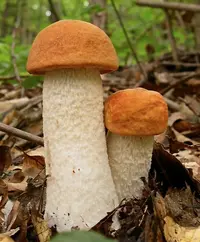
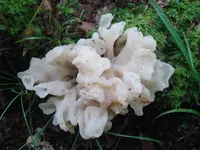
Orange-oak bolete, Leccinum albostipitatum, is a mycorrhizal fungus rather than a traditional garden plant. It forms a symbiotic partnership with oak roots, helping both partners access nutrients. The fruiting body shows an orange to brick-red cap and a pale, finely scaly stem, typically appearing in summer and autumn.
This species occurs mainly in temperate Europe, especially in oak woodlands with light, well-drained soils and moderate moisture. It is not suitable for pots or typical indoor setups, so attempts to care for orange-oak bolete focus on maintaining or mimicking healthy oak woodland conditions outdoors.

Care Difficulty
Hard Care

Light Preference
Partial Shade

Water Requirements
Regular Water

Temperature Preference
Cool Climate

Hardiness Zone
Unknown

Soil Texture
Loamy, Sandy, Organic-rich

Soil pH
Strongly acidic (4.5–5.5), Acidic (5.5–6.5)

Soil Drainage
Moist but well-drained

Fertilization
Minimal (feed rarely)
Scan your plant to receive care tips personalized for your specific plant
Available on iOS and Android
Leccinum albostipitatum fruiting bodies develop best where oak hosts receive steady but not extreme sun exposure.
This mycorrhizal fungus depends on consistently moist, well‑drained soil around its oak hosts rather than direct watering of the mushrooms themselves.
This species fruits best in cool to mild conditions typical of late summer to early autumn around oak woodland edges.
Humidity control is not a major factor for Leccinum albostipitatum, which grows outdoors in natural woodland conditions rather than in controlled indoor air.
Leccinum albostipitatum relies on suitable outdoor soil conditions around host trees rather than a constructed potting mix.
This species is not suitable for container growing because it depends on ectomycorrhizal partnership with living trees in open soil.
This mycorrhizal fungus relies on its host tree and usually needs no direct fertilization.
Leccinum albostipitatum is a wild mycorrhizal mushroom that does not require pruning.
This fungus forms a symbiotic relationship with living oak roots and is not suited to normal repotting or transplanting.
Leccinum albostipitatum is rarely propagated intentionally, as it depends on living oak roots and complex soil conditions.
This wild fungus is naturally cold hardy in its native range and generally needs no special winter care.

Plant Health Check
Not sure what's wrong with your plant? Check your plant's health inside the app.
This species forms ectomycorrhizal partnerships only with poplar trees (Populus species), especially aspen, and is not found fruiting with oaks despite some older common-name confusions.
The stem is characteristically pale to whitish with fine, orange to rust-colored scabers (small rough scales), a combination that helps separate it from closely related orange-capped Leccinum species.
It commonly fruits in late summer to autumn in cooler climates, tolerating relatively low night temperatures and often appearing in the same poplar stands for many years in a row.
This bolete is considered edible when properly identified and thoroughly cooked, but it can cause digestive upset in some people. Accurate identification is essential, as similar-looking species may be inedible or harmful.
Keep your plants happy and healthy with plant identification, disease detection, and easy care guidance.